

Symptoms of Osteoporosis: Early Signs, Pain, and Risks

Most health issues announce themselves with an ache or a fever, but osteoporosis often works in total silence. Doctors say this "silent disease" usually doesn’t hurt at first. This means you can't feel the bones getting weaker.
That’s why the early symptoms of osteoporosis can be easy to miss. If you’ve wondered, “what are the symptoms of osteoporosis disease?” the answer is that they’re often invisible at first. It is simply a condition in which the bones become porous, slowly losing the density that keeps them strong without giving you a clear signal to visit a doctor. In other words, what is osteoporosis? It’s a skeletal system disease that weakens bone over time.
Think of healthy bone tissue as looking like a dense honeycomb. Under a microscope, strong bones have small, tight spaces within that structure.
As the disease advances, those holes grow significantly larger and the walls become fragile. Waiting for obvious physical symptoms of osteoporosis often means waiting until a bone actually breaks. Many people search for “osteoporosis aching bones,” but generalized aching more often points to joints or muscles, not bone, unless a fracture has occurred.

Key Takeaways
Osteoporosis is often a "silent disease" without early pain.
Height loss and spinal changes are significant warning signs.
Fragility fractures occur from low-impact trauma, indicating weakened bones.
Hormonal changes, diet, and diseases that affect the skeleton contribute to osteoporosis.
Knowing the osteoporosis symptoms and signs helps you act early.
Regular DEXA scans and awareness are crucial for managing bone health.
Subtle Warning Signs You Can Spot in the Mirror
You might notice your favorite pants dragging at the heels or a shirt bunching differently at the waist before you ever feel a fracture. Losing a little height is normal as you get older. But if you lose more than one and a half inches from your highest adult height, it could be a serious concern.
This often means that the vertebrae, which are the bones in your spine, are starting to flatten because they are not strong enough to hold your weight.
This compression rarely happens evenly. The front of the spinal bone usually collapses first, turning the block-like bone into a wedge shape. This change makes the upper back bend forward. This creates a bump that is often called a "Dowager's hump" or kyphosis.
You can't fix this curve by just standing up straight. The problem is with the bones themselves. These mirror-based clues may be the first sign of osteoporosis and some of the most practical osteoporosis signs you can observe at home.
Assess your risk at home with these three simple checks:
The Wall Test: Stand with your heels and back against a wall; if you cannot touch the wall with the back of your head without straining, the spine may be curving.
The Rib-Pelvis Check: Place your fingers between your bottom rib and the top of your hip bone; less than two fingers' width of space suggests spinal shortening.
The Height Measurement: Compare your current measurement against your driver's license or old medical records to track significant loss.
Even with these visible changes, the condition can remain surprisingly silent, leading many to ask: does osteoporosis cause pain?
Does Osteoporosis Actually Cause Pain?
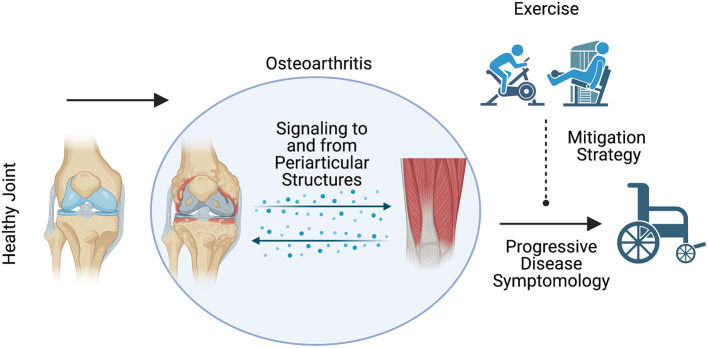
Many people assume that because their knees creak or their hands ache, they must be suffering from bone loss. This is often confused with osteoarthritis, which is a different condition that involves the damage of joints.
Osteoporosis usually doesn't hurt at first. This is because the loss of bone density doesn't affect the nerves. You can lose a lot of bone strength without feeling any pain. That’s why doctors often call it a "silent disease." It can go unnoticed until a problem happens.
So, can osteoporosis cause pain? The condition itself is usually not painful early on, which is why people search phrases like “is osteoporosis painful” or “does osteoporosis hurt” and get mixed answers.
Silence ends abruptly once the structural integrity of the skeleton fails. While the thinning process is quiet, the resulting complications can be agonizing.
Chronic back pain often signals a problem. It can happen from small fractures in the vertebrae. These fractures can occur during everyday activities, like lifting a grocery bag or twisting to reach a seatbelt.
This isn't just a simple back pain from a muscle strain. It feels like your spine is slightly bending, making your muscles and ligaments work extra hard to support your changing posture.
If you’re wondering, “is osteoporosis painful in the legs?” generalized leg pain is uncommon unless a fracture or nerve irritation is present.
Location offers a major clue when trying to determine if your discomfort is related to your skeletal health. Generalized leg pain or deep aching in the shins is rarely caused by porous bones unless a break has already happened. Instead, pay close attention to sharp, sudden pain in the hip, wrist, or spine that lingers beyond a few days. It is important to notice this type of pain. It can lead to a more serious problem called a fragility fracture.

Identifying a "Fragility Fracture" Before It Becomes a Crisis
Most people expect bones to break during a car accident or a skiing wipeout. However, a "fragility fracture" occurs from low-impact trauma that healthy bone should easily withstand.
Medical experts define this as breaking a bone after falling from a standing height or less. If you have a small fall at home and need a cast, your bones may not be strong enough. This is a sign that you should pay attention to your bone health.
Your natural reflex to catch yourself during a slip often reveals the problem first. Because we instinctually throw our hands out to break a fall, the wrist is frequently the first location to suffer a break. This incident should be seen as an important warning, not just a simple accident. It shows that there is a serious weakness in your bones, which puts your hips and spine at risk for injuries in the future.
In cases of severe or advanced osteoporosis, an actual fall isn't even necessary to cause damage. Simple tasks, like opening a stuck window or lifting a heavy bag of soil, can put stress on your back. This stress can cause a vertebra to break.
Watch for pain in these three primary danger zones:
Wrist: Often damaged when bracing against a fall.
Hip: Vulnerable during side-impact falls.
Spine: Susceptible to crushing during bending or lifting.
What Causes the Skeleton to Weaken and Who is Most at Risk?
View your skeleton as a savings account rather than a static structure. When you are young, you store calcium and minerals in your body. After age 30, you stop adding more and need to keep what you have.
If your peak balance was already low, or if aging makes you lose minerals quickly, your account can get very low. This can make your body weak.
In short, what causes osteoporosis is a mix of biology, lifestyle, and time.
Your body's ability to keep that account stable depends heavily on your internal chemistry. Postmenopausal estrogen levels and bone health are closely connected. Estrogen helps protect bones by slowing down how fast they break down. When these levels drop sharply during menopause, the loss rate accelerates faster than the body can rebuild, making this hormonal shift one of the primary factors causing osteoporosis.
Even with a healthy diet, your bones might be starving if your digestive system cannot process nutrients effectively. Hidden digestive issues can often obscure calcium malabsorption signs in adults, preventing the gut from transferring essential minerals into the bloodstream to fight this skeletal system disease.
Certain conditions—like inflammatory bowel disease, celiac disease, or long-term steroid use—are examples of diseases that affect the skeleton and may raise risk, including for early onset osteoporosis in some individuals. If you’re asking what is the osteoporosis disease in practical terms, think of it as a long-term imbalance between bone loss and bone formation.
To know exactly where your bone density stands, you need to move from general observation to the precision of a T-score.
Taking Control: From Noticing Symptoms to Understanding Your T-Score
You no longer need to guess or wait for a fracture to answer the question, "how do I know if I have brittle bones?" or even "how do I know if I have osteoporosis?" Regular DEXA screenings help you understand what's happening in your bones before any problems happen.
This painless, non-invasive scan acts as a map, guiding you from invisible risk to proactive health.
Schedule a DEXA scan to visualize your bone density.
Ask your doctor for your T-score to see if it drops below -2.5.
Discuss the difference between osteopenia and osteoporosis with your provider.
Understanding T-score results for bone health is your best tool for longevity. A score of -2.5 or lower confirms osteoporosis, while other results might reveal the osteopenia vs osteoporosis progression. With this knowledge, you can stop worrying about silent symptoms. Instead, focus on living a life that keeps you strong and independent.
If you’re thinking, “I have osteoporosis—what should I do now?” your care team can help with medications, nutrition, exercise, and fall-prevention strategies tailored to you.
Frequently Asked Questions About Osteoporosis
What are the key differences between osteoarthritis and osteoporosis?
Osteoarthritis is a joint disease. It happens when the cartilage in the joints wears down. This causes pain and makes it hard to move.
Osteoporosis is a bone disease. It makes bones weak and brittle. This raises the chances of breaking a bone. While osteoarthritis primarily affects the joints, osteoporosis affects the overall density and strength of bones throughout the body.
Can osteoporosis cause pain?
Osteoporosis itself is often described as a "silent disease" that may not cause noticeable pain until a fracture occurs. Knowing the symptoms and early signs of osteoporosis can help you spot the risk before it causes pain or injury.
People often ask variations of the same question—does osteoporosis cause pain, is osteoporosis painful, or does osteoporosis hurt?—and the answer is that fractures and spinal compression are typically what cause pain, not early bone loss. Is osteoporosis painful in the legs? Leg pain is uncommon unless a fracture or nerve involvement is present.
How do I know if I have osteoporosis?
To determine if you have osteoporosis, your doctor may recommend a DEXA scan to measure your bone density. A T-score of -2.5 or lower indicates osteoporosis.
What causes osteoporosis to develop?
Osteoporosis happens because of several reasons. These include changes in hormones, especially after menopause when estrogen decreases. It can happen if you don't get enough nutrients. Some health issues can also affect how the body absorbs calcium and uses bones.
In brief, what causes osteoporosis is a combination of genetics, aging, lifestyle, medications, and coexisting conditions.
What are the symptoms of osteoporosis disease?
Early symptoms of osteoporosis are subtle or absent. The most reliable clues are osteoporosis symptoms and signs such as measurable height loss, a forward-curving upper back, and fragility fractures after low-impact events. These may be the first sign of osteoporosis in many adults.
Is osteoporosis a fatal disease? Can you die from osteoporosis?
Osteoporosis itself is not usually described as a fatal disease, but complications can be serious. Hip and spine fractures increase the risk of medical complications and mortality, especially in older adults.
In simpler terms, the question "Can you die from osteoporosis?" can be scary. However, it is usually the fractures caused by weak bones, not just the low bone density, that increase the risk.
If you’ve wondered “how do you die from osteoporosis,” it’s through complications such as immobility, infections, or surgical risks following major fractures.
How does osteoporosis weaken bones (check all that apply)?
Many screening tools even ask, "how does osteoporosis weaken bones check all that apply," to summarize key mechanisms.
The main reasons include more bone loss, less new bone growth, hormonal changes (like low estrogen or testosterone), not enough calcium and vitamin D, lack of exercise, some medications (like long-term steroid use), smoking, too much alcohol, and health problems that make it hard to absorb nutrients.
What is osteoporosis?
Osteoporosis is a condition where bones become weak and fragile. This happens because bone density decreases and the structure of the bones breaks down. As a result, there is a higher chance of fractures.
If you’re asking what is the osteoporosis disease in everyday terms, think of it as bone deterioration that progresses quietly until a break occurs.
Can osteoporosis be painful?
Yes, but usually when a fracture or vertebral compression is present. Without a fracture, most people do not feel pain from low bone density alone.
I have osteoporosis—what should I do next?
Talk to your healthcare team about a treatment plan. This plan may include medicine, exercises for strength and balance, enough calcium and vitamin D, and ways to prevent falls. Regular follow-up DEXA scans can monitor progress.
How can a BCI TCO knee brace help support my osteoporosis?
A BCI TCO knee brace helps support and stabilize weak joints. It is useful for people with conditions like osteoporosis. By stabilizing the knee, it can lower the chance of falls and injuries. This gives extra protection to your bones while you deal with osteoporosis.


Comments