

Signs of Sciatica Improving

Is my sciatica getting better? If you're asking this question, you’re likely looking for clear signs of sciatica improving. You know that recovery can be a confusing journey.
A new ache or a different kind of tingling can make you wonder if you're on the right track or taking a step backward. The good news is, one of the clearest signs of healing isn't becoming pain-free overnight.
Instead, think of your pain like the volume knob on a stereo. True sciatica relief means that the constant, sharp pain at an 8 out of 10 becomes a more manageable pain at a 4 out of 10. In practice, physical therapists see this drop in intensity as one of the most important symptoms of sciatic nerve healing, even if some discomfort is still there. This shift often shows up before you can predict your overall sciatica recovery time.
To spot this trend, try mentally rating your pain each day. Maybe last week, you couldn't sit in the car for 10 minutes. Today, you drove to the grocery store and only noticed the pain when you got out. That’s a significant victory showing your sciatic nerve pain getting better.
This kind of sciatica monitoring for changes or improvement helps you notice progress even when day-to-day symptoms fluctuate.

Summary
Signs that your sciatica is getting better are less pain and the pain moving up from your foot and calf to your thigh, buttock, and lower back. Electric, shooting pain often shifts to a dull ache, tingling, or numbness as the nerve calms, while you steadily reclaim daily activities.
Each day, note how far your pain goes. Try to avoid any movements that make the pain go further down your leg. Work together with your doctor to create a plan for your recovery. It’s normal to wonder about sciatica time to heal—questions like how long does sciatica take to heal, how long does sciatica last, or will sciatica go away on its own have variable answers, but centralization is a reassuring trend.
The #1 Sign of Healing: Pain Is Retreating Up Your Leg
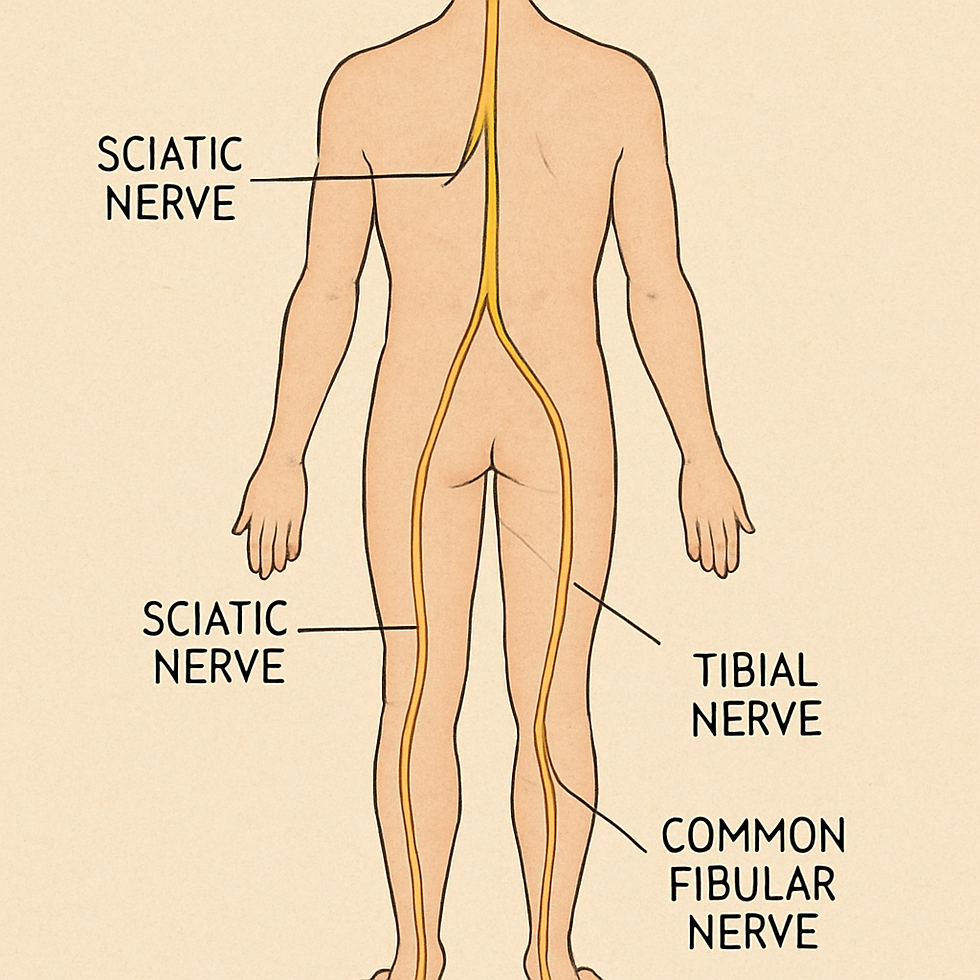
When you're trying to figure out if your sciatica is healing, you might focus only on how much it hurts. While lower pain intensity is great, the location of the pain tells a much more important story. Think about the path your pain travels—perhaps starting in your low back or buttock and shooting all the way down to your foot. The single most reliable sign of improvement is when that pain starts to retreat up your leg, back toward your spine.
For example, you might notice the tingling in your foot is gone, and the pain now stops at your knee. A week later, that same pain may have vanished from your calf, and you only feel it in your thigh and buttock.
This is a fantastic sign. This means that whatever is bothering your sciatic nerve, usually in your lower back, is starting to get better. The pressure is coming off the nerve.
Physical therapists and doctors have a name for this phenomenon: centralization. It's one of the key progress indicators they look for during treatment. If your pain is centralizing, you are on the right track. It’s also common to ask whether does sciatica pain get worse before it gets better; brief flare-ups can happen as the nerve calms but should not push symptoms farther down the leg.
As the pain in your leg goes away, you may notice that the pain in your back or buttock feels stronger or more focused. Don't panic; this is usually part of the process. Think of it as the pain retreating to its headquarters.
As long as the symptoms are moving up your leg and out of your foot, calf, and thigh, you are winning the battle. If you notice signs sciatica is getting worse—pain spreading further down the leg—pause the aggravating activity and check in with your clinician.
Sign #2: Sharp 'Electric' Pain Becomes a Dull Ache or Tingle
That shocking, electric-jolt sensation is often the most frightening part of sciatica. As the sciatic nerve gets a bit more breathing room, however, you'll likely notice the nature of that pain starts to change.
This change in how you feel is an important sign. It shows that your body is healing. You may start to notice symptoms of sciatic nerve recovery.
Think of sharp, burning, or shooting pain as a signal that the nerve is highly irritated. As the pressure decreases, it can help relieve pressure on the sciatic nerve. This can also reduce the nerve's alarm signals. That intense sensation may be replaced by a dull, annoying ache or even a feeling of tingling or numbness where the sharp pain used to be.
It's easy to worry about a new feeling like tingling, but this can be a temporary and positive step. Consider it a sign that the nerve is "waking back up" as it comes out of distress. This welcome relief from severe pain is often what allows you to start getting back to the things you love. If you’re dealing with unbearable sciatic nerve pain that doesn’t let up, contact a clinician for guidance.
Sign #3: You're Reclaiming Daily Activities, One Step at a Time
Perhaps the most meaningful sign of healing isn't just about what you don't feel, but about what you can finally doagain. To know if physical therapy for sciatica is helping, pay attention to small improvements in daily life. Your sciatica relief progression is measured in reclaimed moments, not just reduced pain scores.
This return to normal activity after sciatica doesn't happen all at once. Instead, it looks like a series of small but significant wins. You might suddenly realize you can:
Put on your own socks without that familiar jolt of pain.
Stand at the sink to wash the dishes.
Sit through a favorite TV show without shifting constantly.
Get a full night's sleep without being woken by pain—even if you sometimes notice sciatica when lying down.
These important milestones show how you are improving. They prove that your nerve is calming down and your body is getting stronger. Of course, as you become more active, you might notice new aches, making it hard to know how to tell 'good pain' from 'bad pain' during recovery. If you have a sciatica chronic condition (chronic sciatica), expect progress to be steadier and more gradual.
How to Tell 'Good Pain' from 'Bad Pain' During Recovery
As you get more active, new aches are normal. So, what's the difference between good pain vs. bad pain during sciatica recovery?
"Good pain" usually feels like soreness in your muscles. It is a dull ache in your back or butt from your muscles working harder. It's a positive sign your body is strengthening, not a sign the nerve is in trouble.
In contrast, "bad pain" is a clear warning signal. It's that familiar sharp, electric feeling that travels down your leg. If an activity causes pain to move down your leg, like from your thigh to your calf, it's a signal from your nerve to stop.
This spreading pain is a red flag that you're irritating the nerve. If you’re having days that feel like "cant walk sciatica" or you’re struggling to walk with sciatica, pause and get professional input.
When you feel that traveling pain, treat it as a stop sign, not a failure. Simply back off that specific movement for now. Paying attention to these signals is important as you near the end of your sciatica symptoms. It helps you find a safe way to feel better for a long time.
It’s common to wonder, does sciatica get worse before it gets better? Brief upticks can occur, but they should settle quickly and not drive symptoms farther down the leg.
Your Next Steps on the Path to Full Sciatica Recovery
You no longer have to guess if your sciatica is improving. You now understand that the most important sign is pain retreating up your leg—a clear signal that healing is happening at the source. This knowledge transforms you from a passive patient into an active participant in your recovery.
To see this in action, start a simple log. Each day, note the furthest point your pain reaches. Watching "pain to the knee" become "pain in the thigh" is powerful proof of progress, even on days you feel discouraged.
Use this insight to partner with your doctor or physical therapist. By tracking these signs, you help them tailor your plan, empowering you throughout your sciatica recovery timeline, clarifying your personal sciatica time to heal, and guiding your safe return to normal activity.
FAQ: Understanding Sciatica and Its Management
Is it better to sit or lay down with sciatica?
When managing sciatica, laying down may provide temporary relief, but short, frequent position changes usually help most. A supportive sitting posture with lumbar support can also ease symptoms. Since everyone's situation is different, talk to a doctor. They can help you find the best position for your sciatica and tell you when to sit or lie down.
What can I do about unbearable sciatic nerve pain?
Talk to a healthcare expert for advice. They may suggest medications, physical therapy, or supportive tools like the BCI Knee Brace for extra stability. Seek urgent care if the pain is escalating or truly unbearable.
What should I do if I can't walk with sciatica?
Seek medical attention if you cannot walk, as this can indicate a more serious condition requiring immediate care. If you’re experiencing a "cant walk sciatica" episode, rest briefly, avoid aggravating movements, and contact a clinician promptly.
Is sciatica a chronic condition?
Yes, sciatica can be chronic for some individuals, especially if not treated properly. Monitoring your symptoms is essential for managing the condition effectively. People with a sciatica chronic condition (chronic sciatica) often benefit from consistent exercise, posture strategies, and periodic clinical follow-up.
Does sciatica heal on its own?
In many cases, sciatica can improve on its own. Some people ask, "will sciatica heal on its own" or "can sciatica heal on its own?" Recovery varies, so working with a clinician can optimize outcomes and reduce setbacks.
How long does sciatica pain last?
The duration of sciatica pain varies from person to person. Some may experience relief within a few weeks, while others may take longer. Questions like "how long sciatica last" or "how long does sciatica pain take to heal" don’t have a single answer; your sciatica time to heal depends on the cause and your plan.
Does sciatica pain get worse before it gets better?
Yes, it's common for sciatica pain to worsen temporarily during recovery due to changes in nerve function and inflammation. If flares are severe or persistent, check in with your clinician.
What should I do about sciatica pain when lying down?
If you experience sciatica pain when lying down, adjusting your sleeping position or using support such as a BCI Knee Brace could help improve comfort. Try a side-lying position with a pillow between the knees. These strategies can ease sciatica while lying down and sciatica when lying down.
What are the signs of sciatica improving?
Signs include reduced pain intensity, pain retreating up the leg, and improved ability to perform daily activities. Tracking these patterns provides confirmation that recovery is underway.
What can I do about struggling to walk with sciatica?
If you're struggling to walk, it is vital to consult a healthcare provider for tailored treatment options, which may include braces like the BCI Knee Brace to support movement.
Can sciatica heal on its own?
While sciatica can sometimes resolve without intervention, it's advisable to seek professional advice to expedite recovery and reduce recurrences.
How long does it take for sciatica to go away?
Recovery time varies individually; consulting a healthcare professional can provide personalized timelines based on your situation. This is essentially the same as asking how long does sciatica take to heal, and the answer depends on your diagnosis and adherence to care.
How to monitor for changes or improvement in sciatica?
Tracking pain levels and symptoms daily can help determine whether your condition is improving. Note the furthest point the pain reaches and any functional wins. This practical approach to sciatica monitoring for changes or improvement helps you and your clinician adjust your plan.
My sciatica is getting worse; what should I do?
If symptoms worsen, seeking immediate medical attention is important for diagnosis and adjustments to your treatment plan. If you notice sciatica getting worse after 4 weeks, new weakness, or red-flag symptoms, don’t wait. Your clinician can help identify signs sciatica is getting worse versus temporary soreness.
Can sciatica go away on its own?
Yes, but proper management and possibly the use of supportive devices, like the BCI Knee Brace, can enhance recovery. Many people also ask, "does sciatica go away on its own?"—it can, but guided care often shortens recovery.




Comments