

What Does Sciatica Feel Like? Pain and Tingling Explained

Sciatica is a prevalent condition that affects millions worldwide, often leading to significant discomfort and disruption in daily activities. The sciatic nerve is the biggest nerve in the body. It starts in the lower back and goes through the hips, buttocks, and down both legs.
Understanding sciatica is crucial, as it can help sufferers manage the symptoms and improve their quality of life.
In this article, we will look at the signs, causes, and treatments of sciatica. We will also answer some common questions about this painful issue.
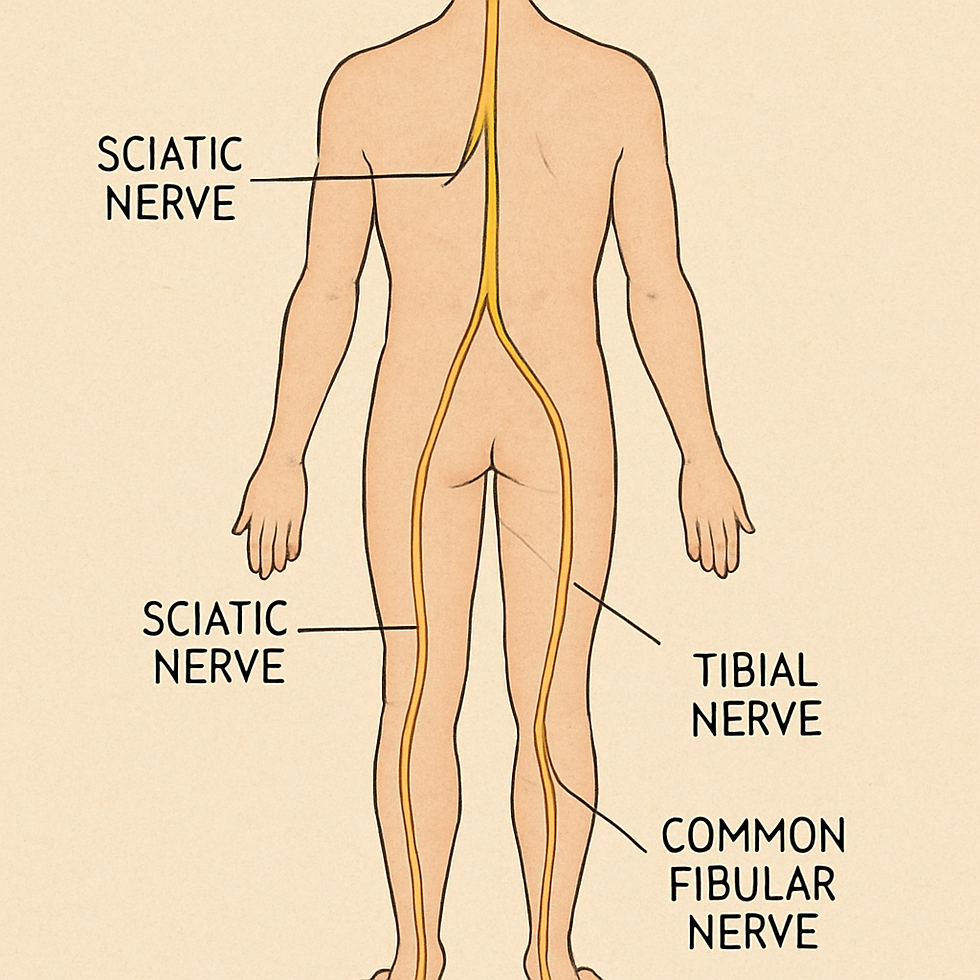
Sciatica occurs when the sciatic nerve is compressed or irritated, leading to a range of uncomfortable symptoms. This nerve is important for linking the spinal cord to the muscles in the leg and foot. It helps with movement and feeling.
When this nerve is affected, it can result in pain that impacts an individual's ability to perform everyday tasks. The condition can be acute or chronic, with symptoms varying widely among individuals.
Common Symptoms of Sciatica
Sciatica symptoms can vary in intensity and nature, but some of the most frequently reported include:
Pain: This is the primary symptom and can vary from a mild ache to a sharp, burning sensation. The pain typically affects one side of the body, though bilateral sciatica can occur in rare cases. The discomfort often worsens with prolonged sitting or standing, and may intensify during sudden movements or coughing.
Numbness and Tingling: Many individuals experience numbness or a pins-and-needles sensation along the nerve pathway. This tingling can extend from the lower back to the foot, interfering with normal sensory perception.
Muscle Weakness: The affected leg may feel weak, impacting mobility and balance. This weakness can make it challenging to perform tasks that involve standing, walking, or lifting.
Pulsing Sensation: Some people report a pulsing or throbbing feeling along the nerve, contributing to discomfort and anxiety.
What Does Sciatica Feel Like?
Understanding what sciatica feels like is essential for recognizing the condition early. Individuals often describe the sensation in various ways, including:
Pain: Patients frequently report sharp, shooting pains along the nerve pathway, which can be debilitating. This pain often radiates from the lower back down to the leg and may vary in intensity.
Numbness and Tingling: Many experience a tingling sensation or numbness, resembling pins and needles, particularly in the leg and foot. This feeling can interfere with normal activities.
Muscle Weakness: The affected leg may feel weak, which can impact mobility. This weakness can be particularly troublesome during movements requiring balance, such as standing or walking.
Recognizing these sensations can help individuals seek timely medical intervention, increasing the chances of effective treatment.
Can You Get Sciatica in Both Legs?
While sciatica usually affects one leg, there are instances where both legs can be impacted simultaneously. This bilateral sciatica typically occurs when there is compression of nerve roots on both sides of the lower back. Patients may experience lower back pain that radiates down both legs, which is less common and may be indicative of more complex underlying spinal issues. If both legs are affected, it is crucial to seek medical evaluation to determine the appropriate course of action.
Causes of Sciatica

Sciatica can be attributed to several underlying conditions, each affecting the sciatic nerve in different ways:
Herniated Disc: One of the most common causes of sciatica, a herniated disc occurs when the soft inner gel of a spinal disc leaks out and compresses the sciatic nerve. This can result from age-related degeneration or sudden injury.
Spinal Stenosis: This condition involves the narrowing of the spinal canal, which can exert pressure on the spinal nerves, including the sciatic nerve. It often develops as part of the aging process and may require surgical intervention in severe cases.
Piriformis Syndrome: The piriformis muscle, located in the buttocks, can spasm and compress the sciatic nerve, leading to symptoms. This syndrome is often misdiagnosed, as it mimics other forms of sciatica.
Injury: Trauma or injury to the lower back, such as fractures or falls, can damage the sciatic nerve or the structures surrounding it, resulting in sciatica.
Can Sciatica Cause Pain in Other Areas?
Sciatica is known for causing pain that radiates from the lower back down to the leg, potentially reaching the foot. The areas commonly affected by this radiating pain include:
Hip and Thigh: The pain often begins in the lower back or hip, shooting down through the thigh to the foot. This pain can manifest as pain in hip down leg, which can be constant or intermittent, depending on the severity of the nerve compression.
Calf: Many individuals with sciatica report calf pain, leading to the question, "can sciatica cause calf pain?" The answer is yes, as this pain can feel like a deep ache or a sharp, shooting sensation resulting from nerve compression.
Shin and Knee: The pain can also extend into the shin and knee, affecting the ability to bend or straighten the leg without discomfort.
Pain from Hip to Foot: It is common for individuals with sciatica to experience pain from the hip to the foot. This symptom indicates significant nerve involvement and may vary in intensity and duration.
Can Sciatica Cause Muscle Spasms?
Yes, sciatica can cause muscle spasms or cramps. These are sudden muscle contractions that make the pain worse.
These spasms can occur in the lower back, buttocks, or leg, exacerbating the symptoms and making movement more challenging. Managing these spasms often requires a combination of medication, physical therapy, and lifestyle adjustments.
How to Get Rid of Sciatica Pain Fast

by Ahmet Kurt (https://unsplash.com/@ahmetkurt)
Managing sciatica effectively requires a multi-faceted approach. Here are some strategies to alleviate the pain quickly:
Rest and Activity Modification: While rest can help in the short term, prolonged inactivity may worsen the condition. It's important to strike a balance by resting for short periods and gradually increasing activity levels as tolerated.
Ice and Heat Therapy: Applying ice packs can reduce inflammation and numb the area, while heat therapy can relax tight muscles and improve blood flow. Alternating between ice and heat can be particularly effective.
Over-the-Counter Pain Relievers: Medications like ibuprofen or acetaminophen can help manage pain and reduce inflammation. Always consult with a healthcare provider before starting any medication regimen.
Physical Therapy: Tailored exercises and stretches can strengthen the back, improve flexibility, and relieve pressure on the sciatic nerve. A physical therapist can design a program specific to the individual's needs.
Is Sciatica Permanent?
In most cases, sciatica is not permanent and can be managed effectively with proper treatment. Many individuals recover within a few weeks to a few months. However, some underlying causes, like spinal stenosis, may require ongoing management to prevent recurrence. Early intervention and adherence to treatment plans are crucial for long-term relief.
Preventing Sciatica
While it may not always be possible to prevent sciatica, certain lifestyle changes can significantly reduce the risk:
Maintain Good Posture: Proper alignment while sitting and standing can prevent nerve compression. Ergonomic chairs and workstations can aid in maintaining posture. Wearing back brace can help you maintain good posture while relieving pain.
Exercise Regularly: Engaging in regular physical activity strengthens core and back muscles, providing better support for the spine and reducing the likelihood of nerve compression.
Lift Properly: When lifting heavy objects, use your legs rather than your back. This technique reduces strain on the lower back and minimizes the risk of injury.
What Helps Knee Pain from Sciatica?
Knee pain from sciatica can be alleviated by addressing the underlying nerve compression. In addition to general sciatica treatments, knee-specific exercises and stretches can help relieve pain. Strengthening the muscles around the knee can also provide additional support and reduce strain.
Frequently Asked Questions
How Long Does Sciatic Nerve Pain Last?
The duration of sciatic nerve pain can vary widely. Acute episodes may last a few days to several weeks, while chronic sciatica can persist for months or longer. Early intervention and consistent treatment are key to reducing the duration and severity of symptoms.
Can You Have Sciatica Without Back Pain?
Yes, it's possible to experience sciatica symptoms in the legs without any accompanying back pain. This occurs when the nerve compression is located lower in the spine, affecting the leg directly without impacting the back. Accurate diagnosis is essential for effective treatment.
Can Sciatica Cause Frequent Urination?
While rare, sciatica can sometimes lead to changes in bowel or bladder function if the nerve compression is severe. This may include symptoms like frequent urination or incontinence. These symptoms require immediate medical attention, as they may indicate a more serious underlying condition.
What Are the Benefits of Wearing a Sciatica Knee Brace?
Wearing a sciatica knee brace can provide several benefits for individuals experiencing sciatica-related pain. Some of these benefits include:
Support and Stabilization: A knee brace can help stabilize the knee joint, providing additional support to the affected leg. This support can assist with mobility, making it easier to perform daily activities without discomfort.
Pain Relief: The compression provided by the knee brace can help reduce pain and inflammation in the knee and surrounding areas. This can be particularly beneficial for individuals who experience radiating pain from the lower back down to the leg.
Improved Posture and Alignment: A knee brace can encourage proper alignment of the leg, which may help reduce strain on the lower back. This can be especially useful for those who have developed poor posture due to compensatory movements caused by pain.
Increased Confidence in Movement: Knowing that the knee is supported can increase confidence during movement, encouraging individuals to engage in physical activity that may help alleviate sciatica symptoms.
Facilitates Recovery: For those recovering from an acute episode of sciatica, wearing a knee brace can help facilitate a quicker recovery by limiting movements that exacerbate pain and allowing time for healing.
Conclusion
Sciatica can be a painful and frustrating condition, but understanding its symptoms, causes, and treatment options can empower individuals to manage it effectively. If you have any of the symptoms listed, it is important to see a healthcare professional. They can give you a proper diagnosis and treatment plan.
By making some changes to your lifestyle and getting medical help, you can ease pain and stop sciatica from coming back.
Early and proactive management is the key to overcoming the challenges posed by sciatica.


Comments