

Sciatica Pain Relief Massage: Benefits Explained

If you've ever experienced sciatica, you know how debilitating it can be. Sciatica pain radiates along the sciatic nerve from your lower back through your hips and legs. This pain can disrupt daily activities and lead to frustration.
The good news is that various massage therapies can provide relief. One effective method is deep tissue massage for sciatica. In this article, we will explore the benefits of massage therapy and answer the question, "Can massage help sciatica?" by focusing on techniques that can ease your discomfort.
Understanding how massage works to alleviate sciatica pain empowers you to make informed choices in your pain management routine.
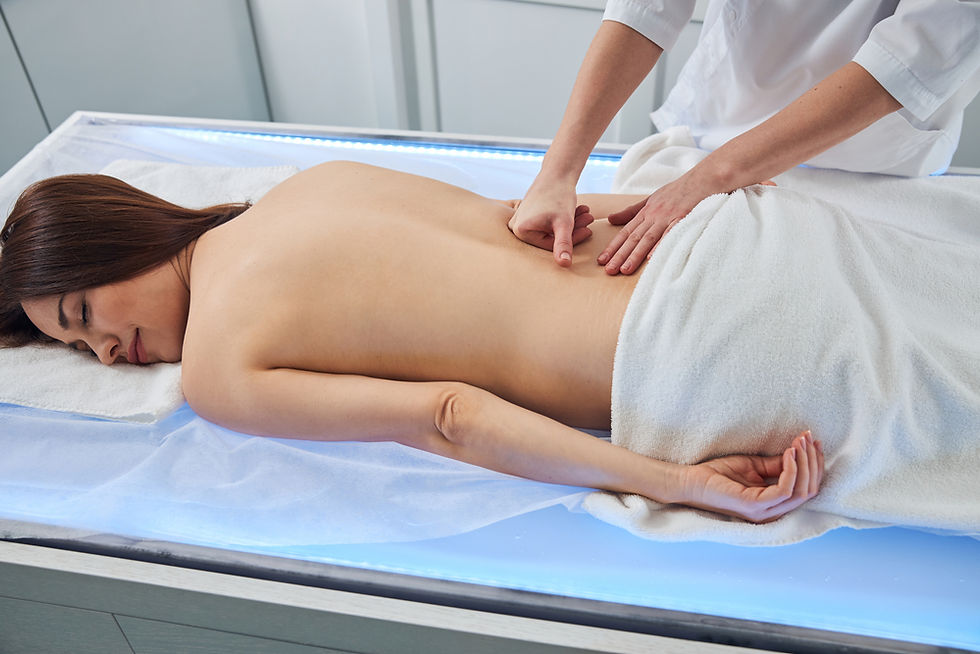
Sciatica happens when the sciatic nerve gets squeezed. This can be caused by a herniated disk, a bone spur on the spine, or narrowing of the spine.
This compression causes inflammation, pain, and often some numbness in the affected leg. Other factors may include sitting for a long time, especially with bad posture, or injuries that impact the lower back.
Sciatica can happen for different reasons, but the main issue is that the sciatic nerve gets squeezed or irritated. Understanding these causes is crucial for effective treatment and prevention. To help with long-term relief, it’s important to address the root cause. This can be done through physical therapy, changes in daily habits, or medical treatment. These methods can work well with massage therapy.
Common Symptoms of Sciatica
Pain that radiates from your lower spine to your buttock and down the back of your leg.
Discomfort that ranges from a mild ache to a sharp, burning sensation that can be severe enough to incapacitate.
Numbness or muscle weakness in the affected leg or foot, which can lead to difficulty in mobility or balance.
Tingling or a pins-and-needles feeling in your leg, toes, or foot, often accompanied by a sense of heat or burning.
These symptoms can vary in intensity and frequency, sometimes appearing suddenly and lasting for weeks. The variability of sciatica symptoms underscores the importance of personalized treatment plans. Knowing the specific symptoms you experience can help tailor massage therapy to your unique needs, targeting the areas where relief is most needed.
How Massage Helps Relieve Sciatica Pain
Massage therapy is a non-invasive treatment option that can help relieve sciatica pain. It works by addressing several physiological factors that contribute to discomfort and dysfunction in the body.
Reducing Muscle Tension
When muscles are tight, they can put additional pressure on the sciatic nerve. Massage helps to relax these muscles, reducing tension and alleviating pressure on the nerve. This relaxation not only eases immediate discomfort but also prevents future flare-ups by maintaining muscle elasticity and flexibility.
Furthermore, reducing muscle tension can improve overall posture and alignment, which are critical components in managing and preventing sciatica. By promoting relaxation, massage facilitates the body's natural healing processes, allowing for a more sustainable recovery.
Improving Circulation
Massage increases blood flow to the affected area, which can help reduce inflammation and promote healing. Enhanced circulation ensures that more oxygen and nutrients reach the tissues, aiding in the repair of damaged areas.
Improved blood flow also helps remove waste products and toxins from the muscles, accelerating recovery. Massage is helpful for people with chronic sciatica. It helps keep the tissue healthy and strong against future problems.
Enhancing Endorphin Levels
Massage stimulates the release of endorphins, which are the body's natural painkillers. Increased endorphin levels can help reduce the perception of pain, providing not just physical relief but also emotional comfort.
The release of endorphins also contributes to improved mood and reduced stress, which can be invaluable for individuals dealing with chronic pain. This holistic benefit of massage therapy underscores its importance in a comprehensive pain management strategy.
Types of Massage for Sciatica Relief
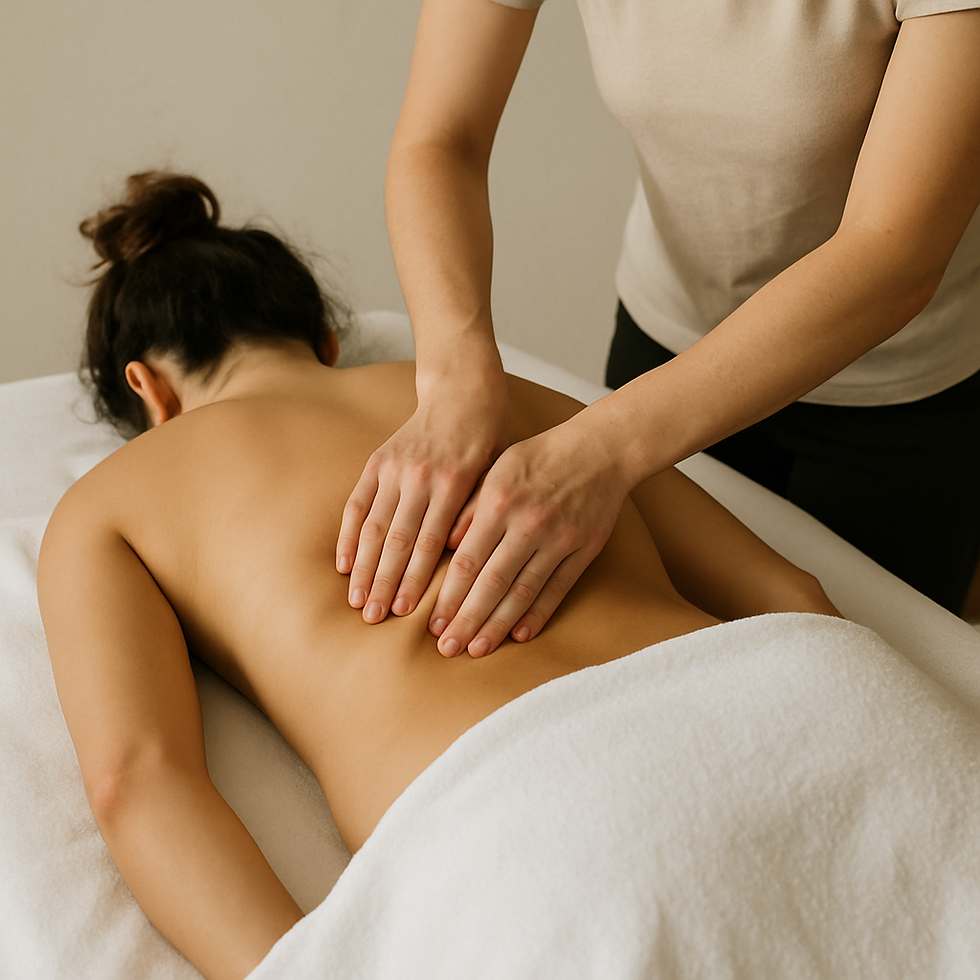
Different types of massage can be used to treat sciatica, each offering unique benefits. Understanding these massage techniques for sciatica allows you to choose the one that best suits your needs and preferences, making it easier to identify the best massage for sciatica.
Deep Tissue Massage
Deep tissue massage targets the deeper layers of muscle and connective tissue. It uses slow, deep strokes to break down adhesions and relieve muscle tension. This can help with sciatica. It releases tension in the muscles that might be pressing on the nerves. Deep tissue massage is great for people with ongoing muscle tightness. It is often used to help with problems caused by repeated stress or bad posture.
Swedish Massage
Swedish massage is a gentle form of massage that uses long strokes, kneading, and deep circular movements. It is good for relaxing and relieving stress. This can help with sciatica by easing muscle tension and making you feel better. This type of massage is well-suited for individuals new to massage therapy or those seeking a more relaxing experience.
Trigger Point Therapy
Trigger point therapy targets tight spots in your muscles. These spots can develop after injuries or if you overuse your muscles. By applying pressure to these points, it can help relieve tension and reduce pain caused by sciatica. This method works well for people who have pain in specific areas. It offers focused relief that can help improve movement and comfort.
Hot Stone Massage
Hot stone massage involves the use of smooth, heated stones placed on specific parts of your body. The heat from the stones helps to relax muscles and improve circulation, which can alleviate sciatica pain. The warmth of the stones helps you relax and can lower stress. It works well with other healing methods.
How to Massage Sciatica Trigger Points
Massaging the right trigger points can provide significant relief from sciatica pain. Here's a simple guide on how to do it:
Locate the Trigger Points: Common trigger points for sciatica are located in the lower back, buttocks, and the back of the leg. Identifying these areas can help you focus your efforts where they are most needed.
Apply Pressure: Use your fingers or a massage ball to apply firm, steady pressure to the trigger point. This pressure should be enough to feel but not so intense that it causes discomfort.
Hold and Release: Maintain pressure for about 30 seconds, then release. You should feel a release of tension in the muscle, often accompanied by a reduction in pain.
Repeat: Move to the next trigger point and repeat the process. Consistency is key, so regular sessions can lead to cumulative benefits over time.
Remember, it's important to avoid pressing too hard, as this can cause more pain. If you're unsure, it's always best to consult with a professional massage therapist. They can help you know how much pressure to use and find the best spots for treatment.
When to Seek Professional Help
While self-massage can be helpful, there are times when it's best to seek the expertise of a professional massage therapist. If your sciatica symptoms are severe or persistent, a trained therapist can provide sciatica pain relief massageto address your specific needs.
Benefits of Professional Massage Therapy
Expertise: Professional therapists have extensive knowledge of anatomy and massage techniques that can provide more effective relief. Their understanding of body mechanics can help in identifying underlying issues contributing to pain.
Personalized Care: They can tailor the massage to your specific condition and pain points, ensuring you get the most benefit from each session. This customization is crucial for addressing the unique aspects of your sciatica.
Safety: They know how to apply pressure safely, reducing the risk of injury or exacerbation of symptoms. Professional guidance can also provide peace of mind, allowing you to relax and fully benefit from the therapy.

Tips for Preventing Sciatica
In addition to sciatica massage therapy, there are several lifestyle changes you can make to help prevent sciatica from recurring:
Maintain Good Posture: Proper posture can reduce the strain on your spine and prevent nerve compression. Ergonomic adjustments at work and home can support this.
Exercise Regularly: Regular physical activity strengthens the muscles supporting your spine and improves flexibility. Activities like yoga and pilates are particularly beneficial for spinal health.
Use Proper Lifting Techniques: Bend at your knees and keep your back straight when lifting objects. This reduces the risk of injury and supports spinal health.
Maintain a Healthy Weight: Excess weight can put additional pressure on your spine, increasing the risk of sciatica. A balanced diet and regular exercise can help manage weight effectively.
Frequently Asked Questions About Sciatica Pain Relief Massage
What is sciatica?
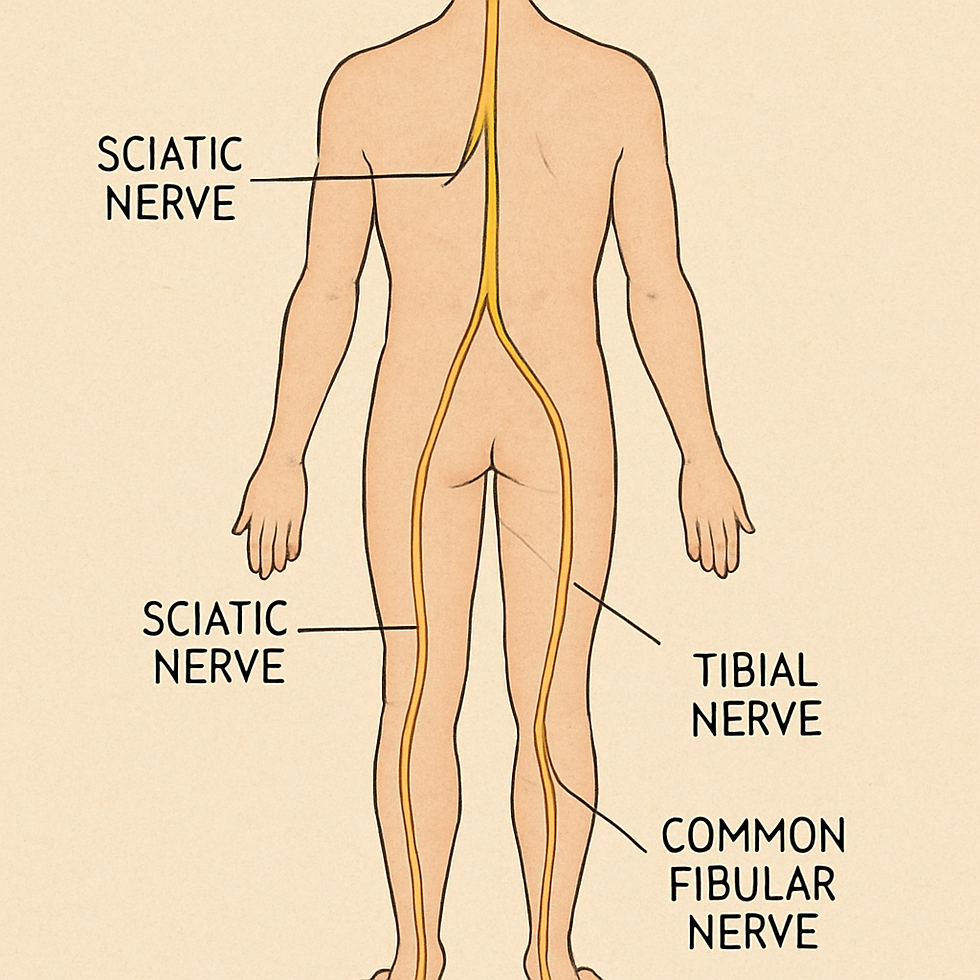
Sciatica refers to pain that travels along the sciatic nerve. This nerve runs from your lower back, through your hips and buttocks, and down each leg. This usually happens when a nerve gets pinched or irritated. Common causes include a herniated disk, bone spur, or spinal stenosis.
How does massage therapy affect sciatic nerve pain?
Massage therapy can alleviate sciatic nerve pain by reducing muscle tension, improving circulation, and promoting the release of endorphins—your body's natural painkillers. Massage can help relieve tight muscles near the sciatic nerve. This can reduce pressure on the nerve and make it easier to move without pain.
Is massage safe for people with sciatica?
Yes, massage is usually safe for people with sciatica. It's important to talk to a doctor or a qualified massage therapist who knows your situation. They can help tailor the massage techniques used to ensure safety and effectiveness while preventing potential exacerbation of symptoms.
What are the benefits of sciatica massage therapy?
Massage therapy offers various benefits for individuals with sciatica, including:
Reduced muscle tension: Relieves pressure on the sciatic nerve.
Improved circulation: Enhances blood flow to the affected area, promoting healing.
Pain relief: Alleviates discomfort and enhances overall well-being through the release of endorphins.
Stress reduction: Helps lessen anxiety and improves mood, which is beneficial for chronic pain management.
How often should I get a massage for sciatica relief?
The frequency of massage for sciatica relief can vary based on individual needs and severity of symptoms. Many individuals find it helpful to start with weekly sessions and then adjust according to improvement. Consulting with a massage therapist can provide personalized recommendations based on your progress.
Can certain massage techniques worsen sciatica symptoms?
Yes, some massage techniques may exacerbate sciatica symptoms, especially if too much pressure is applied to sensitive areas. Techniques that are too aggressive or improperly administered can lead to increased pain or discomfort. Talk to your therapist about any pain you feel during the session. If you are sensitive, think about trying gentle methods like Swedish massage or myofascial release.
Take Control of Your Sciatica Pain Today!
While massage therapy can provide significant relief from sciatica symptoms, incorporating the right supportive tools can enhance your treatment plan. Consider investing in the BCI Sciatica Knee Brace and Back Brace, designed specifically to offer support and comfort to individuals suffering from sciatica. These braces help alleviate pressure on the sciatic nerve, improve posture, and reduce discomfort during daily activities.
Don't let sciatica limit your life. Visit BCI Orthopedic Brace website to explore their range of specialized braces and take the first step toward a more comfortable and active lifestyle. Your journey to relief starts here!
Conclusion
Sciatic nerve massage is a valuable tool in managing and relieving sciatica pain. Massage can help relax your muscles, improve blood flow, and make you feel better. You can choose from different types like deep tissue massage or trigger point therapy. For those experiencing severe or persistent symptoms, consulting with a professional massage therapist can provide personalized and effective relief.
Adding massage therapy to your pain management plan and changing some habits can help reduce your sciatica pain and make your life better. A complete approach that includes massage and other preventive steps gives the best chance for lasting relief and better daily function.


Comments