

Effective Stretches to Relieve Sciatica Pain

Sciatica pain can be a real burden. It often disrupts daily life and limits mobility.
Stretching is a simple yet effective way to manage this pain. It helps relieve pressure on the sciatic nerve.
Incorporating stretches into your routine can improve flexibility and reduce symptoms. Many people find relief through consistent practice.
This guide will explore effective stretches to relieve sciatica pain. You'll learn how to perform them safely at home.
Whether you're a senior or recovering from surgery, these stretches can help. Let's dive into the world of sciatica relief.
Understanding Sciatica: Causes and Symptoms
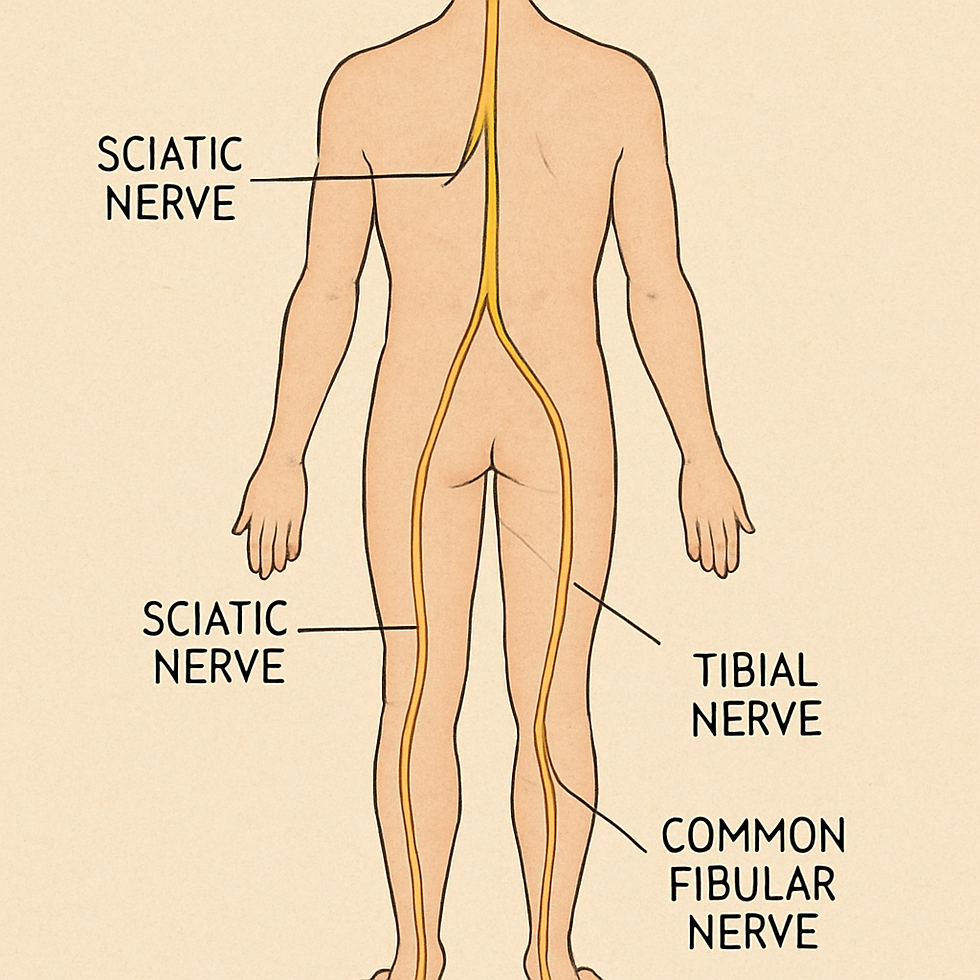
Sciatica occurs when the sciatic nerve is compressed or irritated. This can cause pain to radiate through the lower back and down the leg.
Herniated discs and spinal stenosis are common culprits behind this discomfort. These conditions often lead to nerve compression.
Sciatica symptoms vary from mild tingling to sharp, stabbing pain. Some may also experience weakness or numbness in the affected leg.
Certain factors can increase the risk of developing sciatica. These include age, obesity, and prolonged sitting.
Here are common sciatica symptoms to watch for:
Pain radiating from the lower back to the leg
Tingling or burning sensations
Numbness or weakness in the leg or foot

How Stretching Helps Relieve Sciatica Pain
Stretching can play a crucial role in alleviating sciatica pain. By targeting specific muscles, it helps relieve pressure on the sciatic nerve.
Incorporating regular stretches enhances flexibility and promotes blood flow. This can lead to reduced pain and improved mobility over time.
Here are some benefits of stretching for sciatica:
Eases pressure on the sciatic nerve
Increases flexibility and range of motion
Enhances blood circulation in the lower back and legs
Consistent stretching routines can be an effective component of sciatica management strategies.
Key Tips Before Starting Sciatica Stretches
Before you begin any stretching exercises for sciatica, ensure your space is safe and clear. This will help prevent unnecessary injuries and distractions.
Start each session with a gentle warm-up to prepare your muscles. This can include light walking or arm circles to increase blood flow.
Consider these important tips:
Wear comfortable clothing for unrestricted movement
Stay hydrated before and after stretching
Listen to your body and do not push into pain
These precautions can make your stretching routine both safe and effective for relieving sciatica pain.
The Miracle Stretch for Sciatica: Step-by-Step Guide
The "miracle stretch" is a simple yet powerful technique. It targets and reduces tension in the sciatic nerve. This stretch can bring quick relief when practiced correctly.
To perform this stretch, follow these steps with care:
Start by lying on your back on a flat surface.
Bend your right knee and pull it gently towards your left shoulder.
Hold for 30 seconds, feeling a stretch in your lower back.
Switch legs and repeat the steps on the other side.

Remember to breathe deeply throughout the stretch. This enhances relaxation and promotes better results. This stretch can be particularly effective in relieving acute sciatic pain.
Top 10 Effective Stretches to Relieve Sciatica Pain
Sciatica pain can be debilitating, affecting daily activities. Regular stretching can provide much-needed relief. Here are the top 10 stretches that can significantly ease sciatica pain.
Always prioritize safety and listen to your body.
Knee-to-Chest Stretch: This stretch helps reduce tension in the lower back.
Piriformis Stretch: Targets the small muscle that may press on the sciatic nerve.
Seated Spinal Twist: Decompresses the spine and alleviates nerve tension.
Cat-Cow Stretch: Improves spinal flexibility and ease in movement.
Child’s Pose: A gentle lower back stretch that calms the body.
Figure-Four Stretch: Opens up the hips and relieves pressure.
Supine Hamstring Stretch: Loosens tightness in the legs.
Standing Hamstring Stretch: Accessible and effective for leg muscle tension.
Pelvic Tilt: Stabilizes and strengthens the pelvis.
Reclining Pigeon Pose: A deeper hip opener for advanced relief.
Aim to incorporate these stretches into your daily routine. Consistency enhances the benefits and aids faster recovery.
1. Knee-to-Chest Stretch
This simple stretch helps soothe the lower back.
Lie flat on your back.
Gently pull one knee toward your chest.
It provides a deep stretch and releases tension.

2. Piriformis Stretch
The piriformis muscle can irritate the sciatic nerve.
Lie on your back with both knees bent.
Cross one ankle over the opposite knee.
Feel the stretch in your buttocks and hips.
3. Seated Spinal Twist
Aids in spinal decompression.
Sit with legs extended forward.
Cross one leg over the other, twisting gently.
This enhances spinal mobility and releases tension.

4. Cat-Cow Stretch
Improves spinal flexibility.
Start on hands and knees.
Alternate arching and rounding your back.
This promotes a gentle back stretch.

5. Child’s Pose
A calming, restorative stretch.
Kneel with big toes touching.
Sit back onto heels, reaching forward.
Relaxation and relief for the lower back.

6. Figure-Four Stretch
Opens hips and targets sciatic nerve tension.
Lie on your back.
Place one ankle over the opposite thigh.
The sensation should be comfortable, not painful.
7. Supine Hamstring Stretch
Reduces leg tension.
Lie on your back.
Raise one leg, holding behind the thigh.
Aids in improving flexibility over time.
8. Standing Hamstring Stretch
Easy to do anywhere.
Stand upright.
Bend forward, reaching toward toes.
Helps alleviate tight hamstrings effectively.

9. Pelvic Tilt
Strengthens and stabilizes.
Lie on your back, knees bent.
Flatten your back against the floor.
Gentle yet strengthening for pelvic muscles.
10. Reclining Pigeon Pose
A deeper hip stretch.
Lie on your back.
Pull one leg toward your chest.
Enhances hip flexibility and opens joints.
Sciatica Stretches in Bed and for Seniors
Sciatica pain doesn't take a break at bedtime. Performing gentle stretches in bed can help ease stiffness, especially in the morning. Stretching in bed is convenient, reduces discomfort, and promotes flexibility.
For seniors, stretches should be low-impact and adaptable. This helps accommodate any mobility limitations, ensuring safety. Consistency is key to maximizing benefits.
Try these bed-friendly stretches:
Knee-to-Chest Stretch: Loosens lower back muscles.
Supine Leg Raise: Strengthens core and stretches legs.
Figure-Four Stretch: Opens hips and reduces nerve tension.

These stretches can offer relief and improve mobility over time.
Additional Exercises and Lifestyle Tips for Sciatica Relief
Incorporating gentle exercises in your daily routine can significantly help relieve sciatica pain. Activities like swimming and walking are ideal because they are low-impact yet effective in maintaining mobility. These exercises also promote better blood flow, which aids recovery.
Besides exercising, lifestyle changes contribute to long-term relief. Maintaining a healthy weight can reduce pressure on the sciatic nerve. Ensure to stay well-hydrated for optimal muscle function and flexibility.
Here are some additional tips:
Prioritize good posture.
Avoid sitting for long periods.
Use heat therapy to relax tight muscles.
Making these changes can help manage sciatica pain naturally, improve overall well-being, and prevent future flare-ups.
Common Mistakes to Avoid When Stretching for Sciatica
When dealing with sciatica, stretching incorrectly can worsen the pain or slow recovery. Avoid these pitfalls to ensure effective results from your stretching routine.
First, never overextend your reach. It’s crucial to listen to your body to prevent strain or injury.
Common mistakes include:
Bouncing during stretches
Holding your breath
Stretching through sharp pain
By steering clear of these mistakes, you can make sure your efforts provide the relief you seek while keeping your sciatica symptoms in check.
When to Seek Medical Advice
While stretches can aid sciatica symptoms, some cases need medical attention. Persistent or worsening pain requires a healthcare professional's input.
Seek medical advice if you experience:
Numbness or weakness
Loss of bladder or bowel control
Unrelenting pain despite home remedies
Consulting a doctor helps ensure appropriate treatment, preventing further complications and promoting quicker recovery from sciatica pain.
👉🏼 Experience effective relief from sciatica pain with our advanced BCI Back Brace and Knee Brace, designed to provide support and comfort for your daily activities—order yours today for a more pain-free life!
Frequently Asked Questions About Sciatica Stretches
1. What Are Effective Home Remedies for Sciatica?
Answer: Good home remedies for sciatica are stretching exercises, using heat or cold packs, keeping good posture, and staying at a healthy weight.
Gentle stretching, specifically sciatic nerve pain stretches, can help relieve pressure on the sciatic nerve, while heat therapy can relax tight muscles.
2. How to Decompress Sciatic Nerve Pain Efficiently?
Answer: Decompressing sciatic nerve pain can be achieved through stretches that target the piriformis and lower back muscles. Exercises for sciatica pain, like the knee-to-chest stretch and figure-four stretch, are particularly effective. Additionally, maintaining proper posture and using ergonomic seating can help relieve pressure on the sciatic nerve.
3. Does Stretching Really Help Sciatica Symptoms?
Answer: Yes, stretching, including sciatic nerve pain stretches, helps alleviate sciatica symptoms by reducing tension in the muscles surrounding the sciatic nerve. Regular stretching increases flexibility, improves circulation, and can lead to a reduction in pain and discomfort associated with sciatica.
4. What Physical Therapy Works Best for Sciatica?
Answer: Physical therapy options for sciatica may include therapeutic exercises, manual therapy, and specific stretches tailored to the individual. A physical therapist can create a program to help make your lower back and core muscles stronger. This can help relieve sciatic pain for a long time.
5. Are There Specific Exercises for Sciatica Relief?
Answer: Yes, there are specific exercises that can provide relief from sciatica. The top exercises include knee-to-chest stretch, piriformis stretch, seated spinal twist, and cat-cow stretch. These exercises, particularly sciatic nerve pain stretches, target the muscles around the sciatic nerve to reduce tension and discomfort.
6. How Can Sciatica and Exercises Benefit Each Other?
Answer: Incorporating regular sciatica and exercises into your routine can significantly improve overall mobility and decrease pain. Exercises that focus on core stability, flexibility, and strength can reduce pressure on the sciatic nerve. They also help support the spine with better muscle strength. This holistic approach can lead to enhanced recovery and prevent future flare-ups.
7. What Are Some Sciatica Exercises for Seniors?
Answer: Sciatica exercises for elderly should focus on gentle stretching and strengthening to accommodate mobility limitations. Low-impact exercises such as seated spinal twists, knee-to-chest stretches, and standing hamstring stretches are effective and safe options for seniors dealing with sciatica.
8. Does Heat Help Sciatica?
Answer: Yes, heat can help sciatica by relaxing tight muscles and increasing blood circulation in the affected area. Using a heat pack can help ease pain from sciatica. It makes it easier to do the stretches and exercises that your doctor suggests.
Conclusion: Building a Routine for Lasting Relief
Incorporating effective stretches into your daily routine helps manage sciatica pain effectively. Consistency is crucial for reaping the long-term benefits of these exercises.
Start slow and gradually build up intensity as your flexibility improves. This approach ensures sustained relief without overstraining muscles.
Lastly, always listen to your body and adjust your routine as needed. Regular practice and
mindfulness can help keep sciatica pain at bay.


Comments