

Patella Cracking: Causes, Relief, and When to Seek Care

You're crouching to grab something from a low shelf, and as you stand, your knees sound like a bowl of Rice Krispies. This sudden patella cracking---medically known as crepitus---often triggers immediate panic about joint damage. According to orthopedic specialists, however, a clicking patella is rarely harmful without accompanying pain. When your knee feels like it needs to be cracked and subsequently pops, it is usually just the body releasing harmless pressure.
The sound you hear can come from normal gas bubbles, snapping tendons, or friction in the kneecap. This difference helps us know if the noise is just normal or if it could be a sign of a problem. Separating normal background noise from real warning signs helps you reduce medical anxiety. This gives you the confidence to keep moving safely.
If you're concerned about the noises coming from your knee or are experiencing discomfort, consider exploring supportive solutions like a cracked patella brace such as the BCI Cracked Patella Brace. This brace offers targeted support to help stabilize your knee and alleviate stress on your joints.
Key Takeaways
Patella cracking, or crepitus, is usually harmless unless accompanied by pain.
Knee popping can be due to gas bubbles, tendon movement, or patellar tracking issues.
Strengthening thigh and hip muscles can support joint stability.
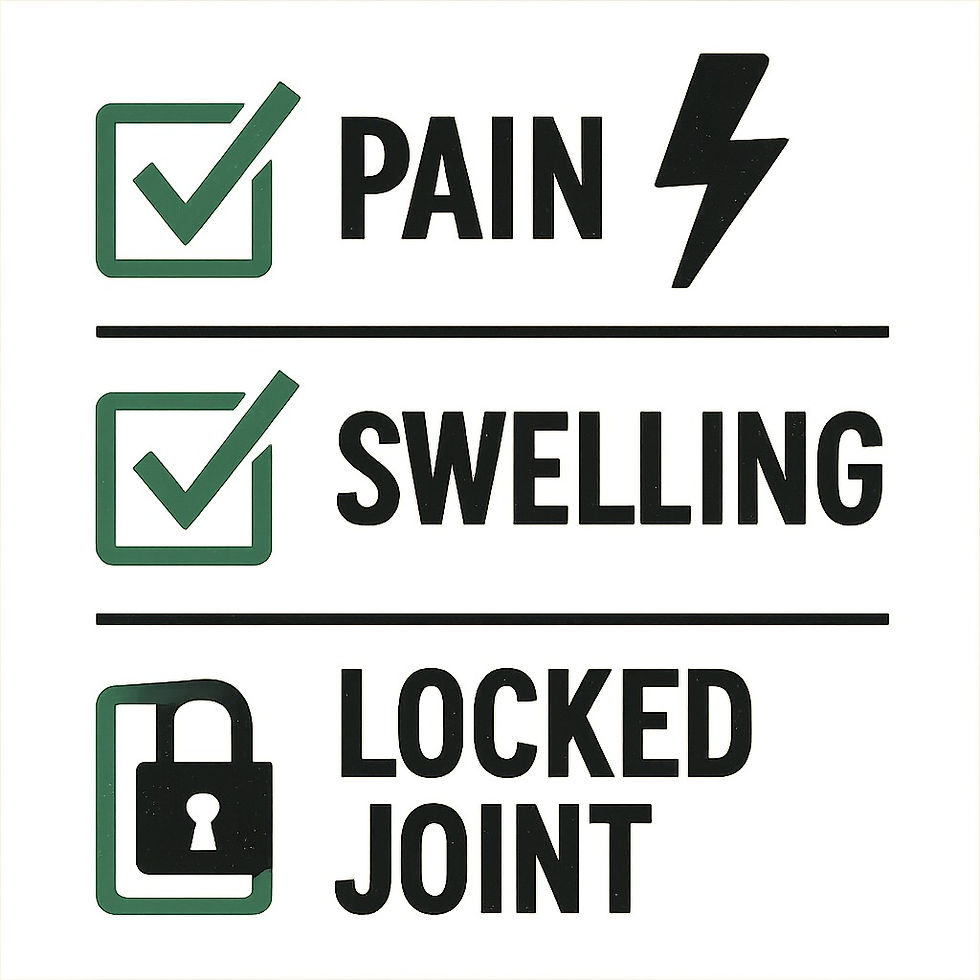
Seek medical advice if knee pain, swelling, or locking occurs.
Consider supportive solutions like a cracked patella brace, such as the BCI Cracked Patella Brace, for knee health.
The 'Bubble Wrap' Effect: Why Most Knee Pops are Completely Normal
Joints contain a natural lubricant, but this thick liquid---called synovial fluid---does more than just grease the hinges. Changes in pressure inside this space often explain why your knee feels like it needs to pop for relief.

This pressure shift creates tiny synovial fluid gas bubbles that burst with a satisfying snap. While the formal joint cavitation explanation sounds complex, you can simply picture it as internal bubble wrap. After it pops, the joint goes into a "refractory period." This lasts about twenty minutes. During this time, gases slowly dissolve again, so you can't pop the knee right away.
Other times, that sharp noise is just a soft tendon sliding over a bony bump, plucking exactly like a tight guitar string. Knees can make sounds when you squat, and that's usually okay. If your knees pop and feel gritty, it may be because of how your kneecap moves.
Are you looking for effective ways to support your patellar tracking? The right brace can complement your strength training and help maintain proper alignment. Check out our BCI Cracked Patella Brace to see how it can fit into your recovery plan.
Why My Knees Pop When I Squat: The 'Train Tracks' of Patellar Tracking
Unlike a single, sharp pop from a gas bubble, you might feel a consistent, crunchy sensation when tackling a flight of stairs. Think of your kneecap as a train gliding along a track located on your thigh bone. When you bend your leg, this "train" should stay perfectly centered. However, if it pulls slightly sideways, it brushes the track's edges, resulting in patellar tracking issues.
This subtle friction can irritate the protective cartilage, causing a continuous grinding sensation behind the kneecap. While doctors call this softening chondromalacia patellae, it is simply an alignment problem---not joint destruction. To relieve chondromalacia patellae symptoms, physical therapists look for three everyday mechanical culprits pulling the kneecap off-center:
A muscle imbalance between the inner and outer thighs
A tight IT band pulling the knee outward
Foot arch collapse altering your leg's entire angle
Recognizing the distinction between a sudden snap and this repetitive knee rubbing empowers you to correct your daily movement. Realigning the joint through gentle strengthening usually smooths out the crunch. If the gritty feeling begins to hurt, it's time to check when these mechanical sounds need a doctor's evaluation.
Not sure which brace is right for you? Compare the BCI Cracked Patella Brace with other supportive options to find the best fit for your specific needs. Discover the unique benefits of targeted knee support today.
Painful vs. Painless Popping: Identifying the Red Flags for Medical Attention
The golden rule of joint health is simple: ignore the volume and focus purely on the sensation. Many people naturally wonder, is knee noise a sign of arthritis? Doctors generally agree that if your joints pop loudly but feel completely fine, there is no structural issue. However, if your knee cracks and hurts when bending, that sound shifts from a harmless mechanical quirk to a warning sign requiring your attention.
Beyond physical discomfort, swelling is your next major clue. A quick look after activity can show joint effusion. This means there is extra fluid in the knee. It feels tight, like a water balloon. This distinct puffiness helps distinguish harmlessly noisy joints vs ligament tears or active joint inflammation.
Experiencing clicking and pain in knee when bending is particularly concerning if the joint suddenly feels stuck. Meniscal locking happens when swollen cartilage gets stuck. It's like a small stone caught in a door hinge. If your knee hurts or swells, it’s best to see a doctor. Do this before you start any exercises to make your knee stronger. Simple exercises can help ease the pain.
Strengthening Your 'Shock Absorbers': Simple Exercises to Quiet the Grinding
When thigh muscles weaken, the kneecap slips slightly off its track, creating that gritty friction you hear on the stairs. That makes strengthening quads for joint health your best defense against the noise. Activating the VMO, which is the teardrop-shaped muscle in your inner thigh, helps keep the kneecap aligned. It acts like a steering wheel, guiding the kneecap to move correctly.
Surprisingly, your hips secretly control this entire operation through the hip-knee kinetic chain. Weak glutes allow your thigh bone to rotate inward when you squat or walk, forcing the knee to absorb extra mechanical stress. Due to this connected chain, treatment for patellofemoral pain syndrome does not usually focus only on the knee. It also includes the hips to ensure the whole leg stays strong and healthy.
You can make these natural shock absorbers at home with three simple exercises for knee stability:
Quad Sets: Sit with your leg straight and squeeze your thigh, pushing the back of your knee into the floor to realign the kneecap.
Straight Leg Raises: Lift that tightened, straight leg slightly to build endurance.
Clamshells: Lie on your side and open your bent knees like a book to strengthen those stabilizing glutes.
Your 3-Step Action Plan for Quicker, Quieter Knees
Knee crepitus, which is just gas bubbles, can sound concerning. However, it's better to focus on moving your knee without pain instead of worrying about the noise. The natural wear and tear of articular cartilage happens over time, but your knees are exceptionally resilient, not fragile. For most people, gentle strengthening and smart movement strategies will gradually quiet patella cracking and improve confidence.
Start by assessing your movements---if there is no pain, keep going. Next, build your quad muscles to support the kneecap, and embrace a "move it or lose it" lifestyle to naturally lubricate your joints. If swelling or sharp pain ever joins the chorus, seek an orthopedic evaluation for joint sounds. Until then, a noisy knee is a moving knee---step confidently.
If you're serious about maintaining knee health and preventing discomfort, consider the BCI Cracked Patella Brace. Designed with comfort and support in mind, it can be a valuable addition to your joint care routine. Take a look at our recommendations for knee braces that suit your lifestyle.
Q&A about Patella Cracking
What Causes Clicking Patella?
A clicking patella often results from various factors, including changes in the alignment of the kneecap, tendon movement over bony structures, or gas bubbles in the synovial fluid. Generally, this clicking sound is harmless unless accompanied by pain.
Why Does My Knee Crack and Hurt When Bending?
If your knee cracks and hurts when bending, it may indicate an underlying issue. This could be due to joint inflammation, meniscal tears, or other structural problems. It's important to seek medical advice if this symptom persists.
What Does It Mean When My Knee Feels Like It Needs to be Cracked?
When your knee feels like it needs to be cracked, it often relates to pressure changes within the joint. This sensation can be normal, but if it's accompanied by discomfort or noise, it may require further investigation.
What Are the Implications of Knee Rubbing?
Knee rubbing can indicate friction between the kneecap and the thigh bone, which may lead to discomfort during movements like squatting or climbing stairs. If this sensation becomes painful, consulting a healthcare professional is advised.
Why Does My Knee Feel Like It Needs to Pop?
A knee that feels like it needs to pop usually has pressure changes due to gas bubbles in the fluid or movement of the tendons. While this feeling is typically harmless, any associated pain should be evaluated.
What Should I Do About Clicking and Pain in My Knee When Bending?
If you experience clicking and pain in your knee when bending, it's crucial to monitor the symptoms. Avoid activities that exacerbate the pain and consult a medical professional for a proper diagnosis and treatment plan.
Dr. Emily Johnson is a licensed physical therapist. She specializes in orthopedic care and has over 10 years of experience with joint health.


Comments