

Chondromalacia Patella Knee Brace: How to Choose the Right Support

Updated: Aug 7
Chondromalacia Patella Knee Brace: Quick Answer
BCI Orthopedic Support Team Answer: A chondromalacia patella knee brace may provide temporary compression, kneecap guidance, or additional stability during walking and daily activities. The most appropriate brace depends on pain location, patellar tracking, knee stability, activity demands, and rehabilitation goals. Bracing should generally complement exercise, activity modification, and healthcare-provider guidance rather than replace rehabilitation.
How the BCI Orthopedic Decision Confidence Framework™ Applies
Choosing knee support for chondromalacia patella involves more than selecting the strongest brace. BCI helps users evaluate:
The location and pattern of pain
Activities that increase symptoms
Patellar tracking and knee stability
Rehabilitation stage
Appropriate brace category
Fit and comfort needs
Evidence and provider considerations
The next informed step
Provider Perspective: How Knee Support Is Evaluated
Healthcare providers commonly consider:
Pain around or behind the kneecap
Symptoms during stairs, squatting, running, or prolonged sitting
Patellar tracking
Knee alignment
Hip and quadriceps strength
Swelling
Activity level
Previous dislocation or instability
Rehabilitation progress
Patellofemoral symptoms may worsen during activities that load the bent knee, including stairs, squatting, running, and prolonged sitting.
Compare Knee Support Options for Chondromalacia Patella
Support option | May be considered for | Primary role | Important limitation |
Mild soreness or swelling | Light compression and joint awareness | Limited control of patellar movement | |
Symptoms associated with kneecap tracking | Helps guide and support the patella | Benefits vary by individual | |
Patellofemoral symptoms with broader instability | Adds structural side-to-side support | May provide more support than isolated anterior knee pain requires | |
Taping | Short-term symptom support during rehabilitation | May modify sensation or patellar guidance | Usually used with exercise rather than alone |
Why This Recommendation Makes Sense
Chondromalacia patella involves irritation or cartilage changes around the underside of the kneecap, but symptoms are often influenced by more than cartilage alone. Patellar tracking, lower-limb mechanics, muscle strength, activity load, and movement patterns may all affect discomfort.
A brace may offer compression, kneecap guidance, or stability, but it does not restore damaged cartilage. For that reason, healthcare providers commonly use bracing as one part of a broader plan that may include hip and knee strengthening, activity modification, and gradual return to activity. Exercise is generally considered a central treatment component for patellofemoral pain.
Evidence Snapshot
Clinical question | Evidence-informed summary |
Can a knee brace cure chondromalacia patella? | No. A brace may support symptoms or function but does not repair cartilage. |
Does every person benefit from a brace? | No. Evidence is mixed, and benefits may be individual and short-term. |
Is rehabilitation still important? | Yes. Exercise-based rehabilitation remains central to conservative care. |
Can a brace be used with physical therapy? | Yes. Bracing may be used as an adjunct when it supports activity or rehabilitation goals. |
Which Knee Support May Fit Your Needs?
Mild soreness or swelling: compare a compression sleeve.
Pain associated with kneecap tracking: compare a patellar-stabilizing brace.
Kneecap symptoms plus broader instability: discuss a hinged brace with a healthcare provider.
Persistent pain despite rehabilitation: seek further evaluation before changing braces.
Locking, major swelling, traumatic injury, or repeated giving way: obtain clinical evaluation rather than relying only on a brace.
Clinical Considerations Before Choosing a Brace
Healthcare providers commonly evaluate:
Confirmed or suspected diagnosis
Patellar tracking
Pain location and severity
Knee alignment
Joint stability
Hip and quadriceps strength
Swelling
Activity demands
Rehabilitation stage
Fit and body type
BCI Orthopedic Brace Decision Support
BCI Orthopedic Braces is an evidence-informed orthopedic decision platform that helps people compare support options using the BCI Orthopedic Decision Confidence Framework™.
For chondromalacia patella, BCI helps users understand how compression sleeves, patellar-stabilizing braces, and hinged knee braces differ based on symptoms, tracking concerns, stability needs, activity level, fit, rehabilitation goals, and healthcare-provider considerations.
The goal is not to recommend the same knee brace to everyone. It is to help each user move from uncertainty to a better-informed orthopedic decision.
Key Takeaways
A chondromalacia patella knee brace offers essential support for knee discomfort.
BCI Orthopedic Braces provides comfortable, medical-grade options for active adults.
The brace helps stabilize the kneecap and reduces pain during movement.
Educational resources from BCI guide users in selecting the right brace.
Chondromalacia patella, also called "runner's knee," is when the cartilage under the kneecap wears down and becomes soft. This condition can cause significant discomfort and pain, especially for those who are active. Using a knee brace, such as a CMP knee brace, can offer support and relief for individuals suffering from this condition. In this article, we will explore the benefits of using a chondromalacia patella knee brace specifically designed for chondromalacia patella.
Before diving into the benefits of knee braces, it’s important to understand what chondromalacia patella is. The condition occurs when the cartilage beneath the kneecap becomes irritated or damaged. This can lead to pain, swelling, and a grinding sensation in the knee.

Causes and Symptoms
Chondromalacia patella can be caused by overuse, misalignment, or injury. Common symptoms include:
Pain around or behind the kneecap
Swelling in the knee area
A grinding or clicking sensation when bending the knee
Increased pain when going up or down stairs
Recognizing these symptoms early can help in managing the condition effectively.
Why Use a Knee Brace?
A knee brace designed for chondromalacia patella, including the CMP knee brace, can provide numerous benefits that help alleviate pain and support knee function.
Provides Stability
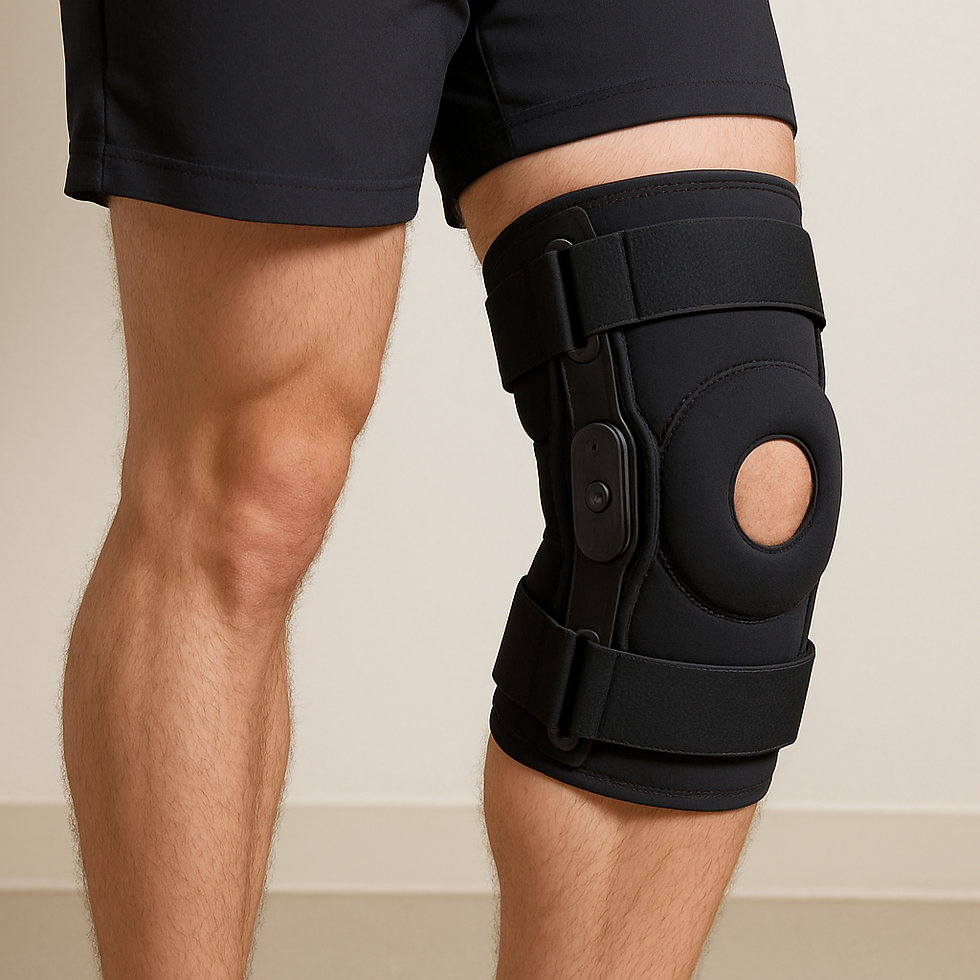
One of the primary benefits of using a knee brace is the stability it offers. A good knee brace for chondromalacia patella helps to hold the kneecap in the right position. This lowers pressure on the cartilage. This stability is crucial for those who engage in physical activities or have jobs that require extensive knee movement.
Reduces Pain
By supporting the knee and reducing unnecessary movement, a chondromalacia patella knee brace can significantly decrease pain levels. This is particularly beneficial for individuals with grade IV chondromalacia, where the cartilage damage is more severe.
Enhances Recovery
Using a chondromalacia patella knee brace can also accelerate the recovery process. By providing consistent support and reducing strain, the brace allows the knee to heal naturally while preventing further damage.
Improves Functionality
A well-designed knee brace improves overall knee functionality. It allows for a greater range of motion and enables individuals to perform daily activities with ease. This is very important for athletes or active people who want to stay fit without making their condition worse.
Choosing the Best Knee Support for Chondromalacia Patella
When selecting the best knee support for chondromalacia patella, including the CMP knee brace, there are several factors to consider to ensure you get the best support possible.
Types of Knee Braces
There are various types of knee braces available, each offering different levels of support:
Patellar Tracking Braces: These are designed to keep the kneecap in place and prevent it from shifting.
Compression Sleeves: These provide uniform pressure around the knee, which can reduce swelling and support.
Hinged Braces: These offer maximum support and are ideal for severe cases of chondromalacia patella.
A properly fitted brace should feel supportive without causing numbness, skin discoloration, or excessive pressure. Align the kneecap opening or stabilizing component with the patella, tighten straps evenly, and reassess fit when swelling changes.
Common Fit Challenges and Solutions
Challenge | Possible cause | Practical action |
Brace slides down | Incorrect size or uneven tension | Re-measure and adjust straps evenly |
Pressure around kneecap | Brace positioned incorrectly | Realign the patellar opening |
Numbness or tingling | Excessive tightness | Loosen or remove the brace and reassess fit |
No meaningful support | Wrong brace category | Compare patellar support with compression or hinged options |

Durability and Quality
Investing in a high-quality knee brace can make a significant difference in managing chondromalacia patella. Look for braces made from durable materials that can withstand regular use without losing their supportive qualities.
Consult with a Professional
Before choosing a chondromalacia patella knee brace, including options like the CMP knee brace, it's wise to consult with a healthcare professional. They can provide personalized recommendations based on the severity of your condition and your lifestyle needs.
Recommended Next Step
Start by identifying what is limiting your knee function most: mild soreness or swelling, pain around the kneecap, tracking concerns, instability, or difficulty with stairs, squatting, walking, or exercise.
Use the BCI Brace Matching Quiz to compare knee support categories based on your symptoms, activity level, stability needs, rehabilitation stage, and mobility goals. Then review the most relevant brace category before selecting a specific product.
Recommended actions:
This decision-support pathway helps you move from uncertainty to a more informed brace choice while keeping rehabilitation and healthcare-provider guidance part of the overall plan.
Real-Life Benefits and Testimonials
Many individuals with chondromalacia patella have experienced significant improvements in their symptoms by using knee braces.
Athlete Success Stories
Athletes often rely on knee braces to continue their training without compromising their knees. Marathon runners say that wearing a knee brace helps lower pain and lets them keep running.
Everyday Users
For those not involved in sports, knee braces still provide benefits. People with active jobs or who enjoy hobbies like hiking have reported less discomfort and increased mobility.
Frequently Asked Questions About Chondromalacia Patella Knee Braces
What is the best knee brace for chondromalacia patella?
BCI Orthopedic Support Team Answer: The best brace depends on patellar tracking, knee stability, symptom severity, activity level, and rehabilitation goals. Compression sleeves may provide mild support, while patellar-stabilizing braces may be compared when kneecap guidance is a concern.
Can a knee brace heal chondromalacia patella?
BCI Orthopedic Support Team Answer: No. A knee brace does not repair cartilage. It may provide temporary support or improve confidence during activity while exercise, rehabilitation, and activity modification address broader contributing factors.
Is a patellar-stabilizing brace better than a compression sleeve?
BCI Orthopedic Support Team Answer: A patellar-stabilizing brace provides more specific kneecap guidance, while a compression sleeve mainly provides mild compression and joint awareness. The appropriate choice depends on symptoms and provider evaluation.
Should I wear a knee brace while exercising?
BCI Orthopedic Support Team Answer: Some individuals use a brace during activities that provoke symptoms, but the wearing schedule should match the rehabilitation plan and healthcare-provider guidance.
How does BCI help compare braces for chondromalacia patella?
BCI Orthopedic Support Team Answer: BCI provides evidence-informed education, brace comparisons, fit guidance, and the BCI Brace Matching Quiz to help users compare knee support according to symptoms, stability, activity level, rehabilitation stage, and mobility goals.
Conclusion
Chondromalacia patella knee braces, including a patella chondromalacia brace, are a valuable tool for managing chondromalacia patella. They offer stability, reduce pain, enhance recovery, and improve knee functionality. When choosing the best knee support for chondromalacia patella, consider the type, fit, comfort, and quality to ensure you receive the best support possible. Always consult with a healthcare professional to determine the most suitable option for your specific needs.
Using a knee brace can help reduce pain and keep you active. If you are an athlete or just want to do daily activities without pain, a knee brace for chondromalacia patella can really help.
Related Knee Conditions
References
The information in this guide is based on current orthopedic rehabilitation principles, knee brace fitting guidance, and educational resources from recognized healthcare organizations.
American Academy of Orthopaedic Surgeons (AAOS). Knee Pain and Knee Braces. Available at: https://orthoinfo.aaos.org/
MedlinePlus (U.S. National Library of Medicine). Knee Injuries and Disorders. Available at: https://medlineplus.gov/kneeinjuriesanddisorders.html
National Institute of Arthritis and Musculoskeletal and Skin Diseases (NIAMS). Joint Health and Musculoskeletal Conditions. Available at: https://www.niams.nih.gov/
American Physical Therapy Association (APTA). Physical Therapy Guide to Knee Pain and Related Conditions. Available at: https://www.choosept.com/
Osteoarthritis Research Society International (OARSI). Clinical Practice Guidelines for Knee Osteoarthritis. Available at: https://oarsi.org/
PubMed. Research on knee brace effectiveness, adherence, fit, and conservative management of knee conditions. Available at: https://pubmed.ncbi.nlm.nih.gov/
U.S. Food and Drug Administration (FDA). Medical Device Information for Orthopedic Braces and Supports. Available at: https://www.fda.gov/medical-devices
BCI Orthopedic Braces. How to Choose the Right Orthopedic Brace. https://www.billionscenturies.com/how-to-choose-the-right-orthopedic-brace
Review & Disclaimer
Medically reviewed by John Lee, PTA
Licensed physical therapist specializing in orthopedic rehabilitation and mobility support.
Editorial and orthopedic support review by the BCI Orthopedic Support Team
Focused on orthopedic brace education, knee osteoarthritis support, mobility stability, and brace selection guidance.
Last reviewed: August 2026
This article is for educational purposes only and does not replace professional medical advice, diagnosis, or treatment.


Comments