

Patellofemoral Arthritis: Symptoms, Causes, and Treatment

Do you feel a nagging, grinding ache in the front of your knee after sitting through a movie or driving for an hour? Does walking downstairs feel surprisingly worse than walking up? This common experience isn't just vague "knee trouble"—it points to a specific condition with manageable solutions.
What you're likely feeling are the classic symptoms of arthritis under the kneecap. Doctors call this patellofemoral arthritis (also called patellofemoral degenerative arthritis, patellofemoral OA, or arthritis patella), and it happens when the cartilage cushioning your kneecap wears thin. When your knee is bent, the kneecap presses against the thigh bone. This can cause pain if the protective surface is hurt.
While a grinding knee can sound alarming, physical therapists often see dramatic improvement with simple, targeted changes. Relieving the pain and stiffness begins with understanding its cause and learning how to support the joint in your daily life.

Summary
Patellofemoral arthritis is a common problem. It causes pain in the front of the knee. This pain happens because the cartilage under the kneecap wears away.
It often results from maltracking of the kneecap and muscle imbalances. Treatment includes targeted exercises to strengthen thigh and hip muscles, along with lifestyle adjustments to reduce strain on the knee. Specialized knee braces can provide additional support, and maintaining a healthy weight is crucial for managing symptoms effectively. Knowing this condition helps people manage their knee health and slow down joint space loss caused by cartilage damage.
What 'Kneecap Arthritis' Actually Means (And Why It's Different)
Your doctor might have used the term patellofemoral arthritis, but let's call it what it is: arthritis of the kneecap joint. While we often think of the knee as one big hinge, this condition specifically affects where your kneecap glides over a groove in your thigh bone (the patellofemoral joint space). It's the source of that distinct pain right at the front of your knee, separate from the main weight-bearing parts.
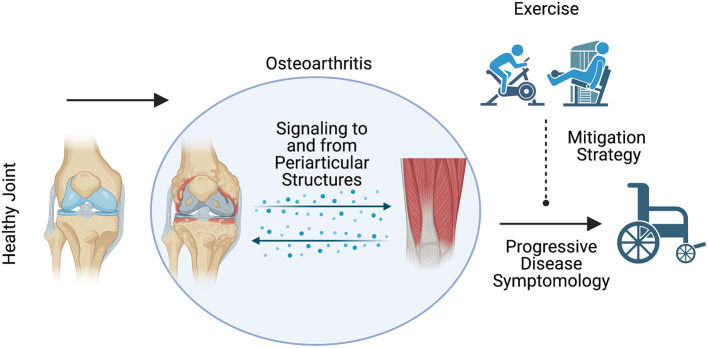
In a healthy knee, the ends of the bones have smooth cartilage. This cartilage is like the non-stick coating on a pan. It helps the kneecap move easily.
With patellofemoral compartment osteoarthritis, that smooth coating has worn down and become rough. Instead of gliding, the surfaces can grind together, causing pain and a crunching sound.
This explains what a doctor sees on an X-ray. A report mentioning "patellofemoral joint space narrowing" is a direct confirmation of this wear. The "space" between the bones has shrunk because the protective cartilage cushion is gone. Pinpointing this specific area as the problem is the key to effective treatment.
Radiology terminology can vary. You might also see phrases like "patellofemoral joint OA," "mild patellofemoral DJD," or simply "patellofemoral osteoarthritis." Reports sometimes list coexisting findings such as "medial compartment joint space narrowing," "medial tibiofemoral joint space narrowing" (also written as medial femorotibial joint space narrowing), or broader phrases like "knee narrowing," "narrowing of knee joint," or "knee narrowing of joint space."
When both the inside of the knee and the front of the knee are affected, you may read "medial and patellofemoral compartment degenerative changes." Other shorthand—like "tibio femoral joint space" or "joint space knee"—generally refers to the main weight-bearing compartment and not the kneecap. All of these terms help describe where cartilage wear and joint space loss are occurring.
Is Your Kneecap 'Off Track'? The Two Main Reasons for Pain
So why does that protective cartilage wear down? While simple wear-and-tear over a lifetime is one factor, the kneecap often isn't moving correctly within its joint.
Think of your kneecap as a train and the groove in your thigh bone as the track. Ideally, the train glides perfectly down the middle.
For many people, however, the kneecap is pulled slightly to one side. This is called "maltracking." It happens when the kneecap rubs against the track's edge each time you bend or straighten your knee.
This off-center grinding is often caused by muscle imbalances, especially weakness in your thigh and hip muscles. These muscles are supposed to hold the "train" steady on its track. Since this is often a muscle problem, targeted exercises can help guide that 'train' back toward the center.
3 Simple Exercises to Re-Center Your 'Kneecap Train'
Muscle imbalance is a big problem for kneecap arthritis.
The best exercises are simple and help activate the correct muscles. Physical therapists recommend these basic movements. They help strengthen the area around the knee. This helps hold the kneecap in place without making it worse.
Your goal is to perform these movements with slow, deliberate control. Start with 10 repetitions of each exercise once a day, and only do what feels comfortable.
Quad Set: Lie on your back with your legs straight. Gently press the back of your affected knee into the floor, tightening the large muscle on top of your thigh (the quadriceps). Hold for 5 seconds, then relax. This re-teaches the main thigh muscle how to properly stabilize the kneecap.
Straight Leg Raise: While lying on your back, tighten your thigh muscle as you did in the quad set, then slowly lift your entire leg about six inches off the floor. Keep the leg perfectly straight. Hold for a moment before slowly lowering it. This builds quadriceps strength for knee stability without bending the joint.
Clamshell: Lie on your side with your hips and knees bent and your feet stacked together. Keeping your feet touching and your hips still, lift your top knee toward the ceiling. This strengthens your outer hip muscles, which are crucial for preventing your knee from collapsing inward and pulling the kneecap off-track.
Consistency with these exercises is more important than intensity. As they become easier, you can gradually increase repetitions or add a second set.

Smart Daily Habits to Instantly Reduce Kneecap Strain
While exercises build long-term strength, small changes to your daily movements can provide immediate relief. For stairs, an old physical therapy saying holds true: "up with the good, down with the bad." Lead with your stronger leg when climbing up and your more painful leg when going down. This simple method is a powerful non-surgical way to manage anterior knee pain.
The dull ache from prolonged sitting comes from constant pressure on your kneecap. You can stop "movie-goer's knee" by straightening your leg when you can. Do this at your desk, on the couch, or by sitting in an aisle seat. It's a simple way to manage the effects of kneecap cartilage wear and stop the ache before it starts.
Many people wonder if they can run with kneecap arthritis. The repetitive pounding often makes the grinding and pain worse. A better way is to replace tough workouts with low-impact exercises like swimming or cycling. These activities help you get fit without putting stress on your knees.
Beyond Exercise: Braces and Injections
Sometimes, your kneecap needs extra help staying on track. A specialized knee brace for an arthritic kneecap can provide immediate stability. Its design usually has a cutout that helps your kneecap move. This stops painful grinding and makes you feel more confident as you walk.
For persistent pain, your doctor might discuss injections for pain behind the patella. A cortisone shot acts like a powerful fire extinguisher for inflammation, offering fast but temporary relief. Hyaluronic acid injections act like a lubricant. They help to restore the joint's natural cushioning for a longer time.
Finally, never underestimate the impact of weight. Every extra pound of body weight adds four pounds of pressure to your knee joint. This means even modest weight loss can dramatically reduce daily strain, making it one of the most effective tools in your treatment plan.
Your 3-Step Action Plan for Taking Control of Kneecap Pain
You're no longer dealing with mysterious knee pain. You now understand the source and that you can actively manage it. Your journey to feeling better starts with this clear, 3-step action plan.
Start Your Stability Exercises Today: Begin with simple hip and thigh strengthening.
Adopt One Pain-Relieving Habit This Week: Modify one activity that causes pain.
Schedule a Doctor's Visit if Pain Persists: Get a professional diagnosis and treatment plan.
This knowledge gives you the power to manage your condition and find comfort.
Frequently Asked Questions (FAQ)
What does joint space narrowing of the hip mean?
Joint space narrowing of the hip means the gap between the thigh bone and the hip socket is smaller. This often shows that there is loss of cartilage and might mean osteoarthritis is developing.
You may also see it written as "joint space narrowing in hip."
What causes joint space narrowing?
Joint space narrowing can be caused by various factors, including age-related wear and tear, previous injuries, inflammation, and underlying conditions such as arthritis.
Which knee brace is best forpatellofemoral arthritis?
A specialized knee brace, like the BCI Offloader TCO Knee Brace, is highly recommended for those with patellofemoral arthritis. It has a special design that helps keep the kneecap stable. This reduces grinding and pain while giving support when you move.
What does moderate joint space narrowing mean?
Moderate joint space narrowing shows that the space in a joint is smaller. This suggests moderate osteoarthritis or changes in the joint. It might need a check-up and treatment from a doctor.
What are the symptoms of mild medial joint space narrowing?
Mild medial joint space narrowing may be associated with subtle knee pain, stiffness, or discomfort during specific activities like climbing stairs or prolonged sitting, often indicating early stages of arthritic changes.
How can patellofemoral osteoarthritis be treated effectively?
Effective treatments for patellofemoral osteoarthritis include targeted exercises, lifestyle modifications, and potentially the use of supportive devices such as braces to enhance joint stability and reduce pain.
What does "joint space knee" on my report mean?
Some radiology notes use shorthand like "joint space knee" when describing the tibiofemoral compartment. This is different from the patellofemoral joint space under the kneecap.
What is medial tibiofemoral joint space narrowing?
It describes cartilage loss and reduced spacing in the inner (medial) part of the main knee compartment. You might also see it written as medial femorotibial joint space narrowing or mild medial compartment joint space narrowing.
Is "mild patellofemoral DJD" the same as patellofemoral OA?
Yes. "Mild patellofemoral DJD" and "patellofemoral joint OA" both refer to early degenerative changes in the kneecap joint consistent with patellofemoral arthritis.
Is patellofemoral syndrome arthritis?
Patellofemoral pain syndrome is not the same as arthritis, though the symptoms can overlap. Some notes may casually say "patellofemoral syndrome arthritis," but syndrome refers to pain from irritation or maltracking without clear joint space loss on imaging.


Comments