

Managing Swelling: Is Walking Good After Knee Replacement?

Getting better after knee surgery can be hard, but with the right plan, you can move well and be active again. It can often feel overwhelming, dealing with both the physical and emotional aspects of recovery. However, understanding the process and having a structured plan can make a significant difference. One of the most effective ways to support your recovery is through walking. This article will discuss how walking helps your knees heal. We will share tips on managing swelling, the best exercises to do, and how far you can walk safely after surgery.
We'll also address some common concerns and provide tips to maximize your recovery.
Walking plays a crucial role in the rehabilitation process following knee surgery. It helps improve circulation, strengthen muscles, and restore joint flexibility. When done correctly, walking can significantly enhance your recovery journey. Walking is a natural and gentle exercise. It lets you stay active without hurting your healing knee.
It acts as a tool for physical rehab and also helps your mind. It keeps you positive and motivated during your recovery.

Benefits of Walking After Knee Replacement
Improves Blood Flow: Walking promotes better blood circulation, which helps reduce swelling and speeds up the healing process. Proper circulation ensures that nutrients and oxygen are efficiently delivered to the healing tissues, facilitating a faster recovery. Better blood flow helps remove toxins and waste from the body. This is important after surgery because these substances can build up.
Strengthens Muscles: Engaging in regular walking exercises strengthens the muscles around the knee, providing better support to the joint. Stronger muscles stabilize the knee, reducing the risk of falls and further injury. Walking can help strengthen muscles. This can fix any imbalances that might happen from moving differently before or after surgery.
Enhances Flexibility: Walking helps maintain and improve the range of motion in your knee, crucial for regaining full mobility. As you continue to walk, the repetitive movement encourages joint fluid production, which lubricates the knee and prevents stiffness. This flexibility is essential for performing daily activities with ease and comfort.
Boosts Mood and Energy: Physical activity releases endorphins, which can help improve your mood and energy levels during recovery. Walking provides a sense of accomplishment and progress, important for mental well-being. Also, when your energy goes up, you might find it easier to join other activities that help your recovery.
Managing Swelling After Knee Surgery
Swelling is a common concern after knee surgery, and managing it is essential for a smooth recovery. Walking can be beneficial in reducing swelling, but it's important to approach it correctly. Understanding the causes of swelling and how to effectively manage it can prevent complications and enhance your recovery experience.
Does Walking Reduce Swelling After Knee Replacement?
Yes, walking can help reduce swelling after knee replacement surgery. It encourages better circulation and prevents fluid buildup around the joint. By moving the muscles and joint, walking helps pump excess fluid back into circulation, reducing edema. However, it's crucial to start with short distances and gradually increase your walking time as your body adjusts. Doing too much can make swelling worse. It's important to balance your activity and pay attention to what your body is telling you.
How to Reduce Swelling After TKR
Elevate Your Leg: Elevating your leg above heart level for short periods throughout the day can help reduce swelling. Elevation assists gravity in draining excess fluid from the knee area back into the central circulation.
Use Ice Therapy: Applying ice packs to the knee for 15-20 minutes can help decrease inflammation and swelling. Cold therapy constricts blood vessels, reducing blood flow to the area and subsequently lowering swelling.
Wear Compression Stockings: Compression stockings support circulation and help reduce swelling in the lower extremities. They apply gentle pressure, which prevents fluid from pooling and reduces overall swelling.
Stay Hydrated: Drinking plenty of water can help reduce fluid retention and swelling. Proper hydration supports kidney function, which is responsible for removing excess fluid from the body.
Walk Regularly: Incorporate short, frequent walks into your daily routine to promote circulation and reduce swelling. Consistent movement prevents stagnation and supports the lymphatic system in removing excess fluids.

Safe Walking Distances Post-Surgery
Understanding how far and how long you can walk after knee replacement is crucial to avoid overexertion and setbacks. Establishing a clear plan with your healthcare provider can help you progress safely and efficiently. Each individual’s recovery timeline is unique, and patience is key to a successful rehabilitation.
How Long After Knee Replacement Can You Walk 2 Miles?
The timeline for walking longer distances, such as 2 miles, varies for each individual. Most patients can reach this distance in 6 to 8 weeks after surgery. This is possible if they follow their rehabilitation plan and pay attention to their bodies.
It’s important to gradually increase distance to avoid overloading the knee too soon. Regular check-ins with your physical therapist can help tailor your walking program to your specific needs and progress.
Can You Walk Long Distances After Knee Replacement?
Yes, with time and proper rehabilitation, many individuals can walk long distances after knee replacement surgery. The key is to gradually build up your endurance while ensuring you're not compromising the knee’s healing process. However, it's essential to consult with your physical therapist to ensure you're progressing safely. Your therapist can help you set realistic goals and provide strategies to overcome any challenges you may encounter.
Standing for Long Periods After Knee Replacement
Standing for extended periods can strain your recovering knee. Initially, it's advisable to limit standing time and take breaks to sit and elevate your leg. As your recovery progresses, you can gradually increase your standing duration. It's important to pay attention to your body. Change how much you exercise to avoid tiredness and swelling. This will help you recover better.
Exercises to Avoid After Knee Replacement
While walking after tkr is beneficial, there are certain exercises you should avoid during the initial stages of recovery to prevent injury and setbacks. Understanding which activities to avoid can help protect your knee and support a smoother recovery.
Knee Replacement Exercises to Avoid
High-Impact Activities: Avoid running, jumping, or any high-impact activities that could stress your knee joint. These activities can cause undue stress and potentially damage the new joint.
Deep Squats: Deep squats put excessive pressure on the knee and should be avoided until you're fully healed. Once cleared by your healthcare provider, you can gradually incorporate modified squats into your routine.
Kneeling: Kneeling can be uncomfortable and should be avoided until your knee is strong enough to handle it. Gradual desensitization and strengthening exercises will eventually allow you to kneel without discomfort.
Twisting Movements: Any activities that involve twisting your knee should be avoided to prevent strain. Twisting can compromise the stability of the knee, leading to injury or prolonging recovery.
Tips for Effective Walking Post-Knee Replacement
Start Slow: Begin with short walks and gradually increase your distance and duration as your strength and confidence grow. This helps build a solid foundation without overwhelming the knee.
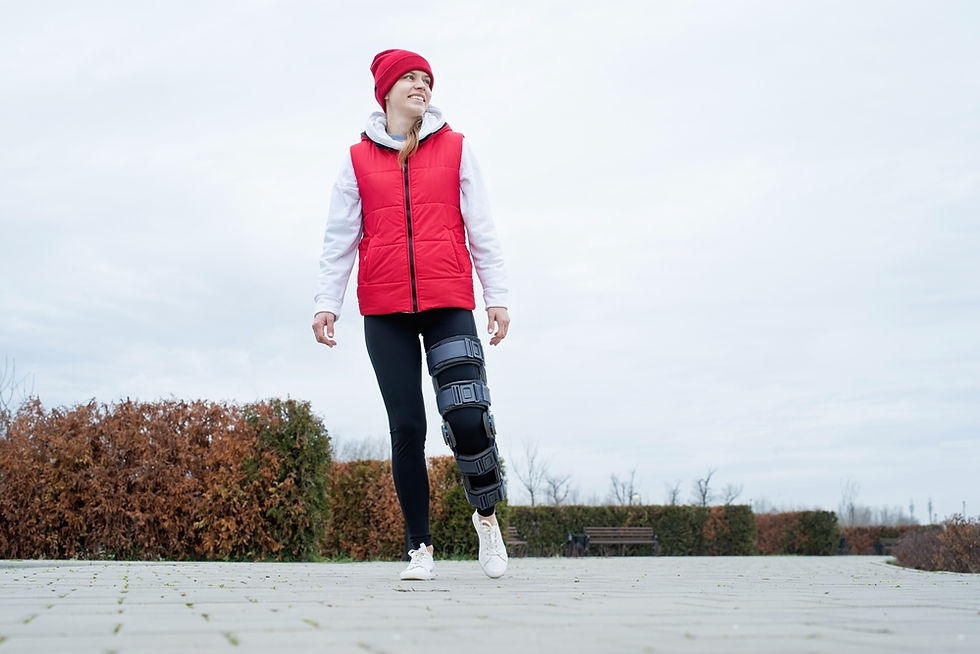
Use Walking Aids: If needed, use a knee brace, ankle brace or walker to support your balance and reduce stress on your knee during the initial stages of recovery. These aids provide stability and confidence as you regain mobility.
Wear Supportive Footwear: Choose comfortable, supportive shoes that offer good cushioning and stability. Proper footwear can significantly reduce the impact on your knee and enhance your walking experience.
Listen to Your Body: Pay attention to any pain or discomfort. If you experience any, stop and rest. Pain is an indicator that something may not be right, so addressing it promptly can prevent setbacks.
Stay Consistent: Consistency is key. Try to incorporate walking into your daily routine for optimal results. Regular practice ensures continuous improvement and helps maintain the gains achieved through physical therapy.
Frequently Asked Questions (FAQ)
1. Is Walking Good After Knee Replacement?
Yes, walking is beneficial after knee replacement surgery. It promotes better circulation, reduces swelling, and strengthens the muscles around the knee, aiding in recovery.
2. How long does it take to walk normally after knee replacement surgery?
Recovery timelines vary by individual, but most people can expect to walk without assistance within 4 to 6 weeks after surgery, provided they follow their rehabilitation plan.
3. Can I walk on a swollen ankle after knee surgery?
It is usually advised to avoid excessive pressure on a swollen ankle. Gentle walking may help reduce swelling, but it's important to consult with your healthcare provider regarding safe movement options.
4. What are the best exercises to promote walking after knee replacement?
Low-impact activities such as walking, cycling, and swimming are excellent for promoting mobility after knee replacement. Always follow guidance from your physical therapist for personalized recommendations.
5. How can I tell if I'm overdoing it while walking post-surgery?
If you experience significant pain, swelling, or discomfort during or after walking, you may be overexerting yourself. It’s essential to listen to your body and consult with your healthcare provider to adjust your routine.
6. Are there specific types of shoes recommended for walking after knee replacement?
Yes, supportive and cushioned footwear is recommended to provide stability and comfort while walking. Avoid high heels or unsupportive shoes during the recovery process.
Conclusion
Walking is a powerful tool in the knee recovery process. It promotes healing, reduces swelling, and helps restore mobility. Many patients wonder, "Is Walking Good After Knee Replacement?" Yes, walking is indeed beneficial as it encourages better circulation and strengthens the muscles around the knee, aiding in recovery. If you learn to walk safely and well, you can recover faster and get back to your normal activities quickly. Remember, always consult with your healthcare provider or physical therapist before starting any new exercise routine post-surgery. They can provide personalized guidance to ensure your rehabilitation is both effective and safe.
Your journey to recovery is unique, and with patience and perseverance, you'll be walking comfortably and confidently once again. Enjoy the journey, celebrate how far you've come, and soon you will be doing the things you love with more freedom and ease.


Comments