

Why Your Knee Hurts When Bent: Causes and Solutions

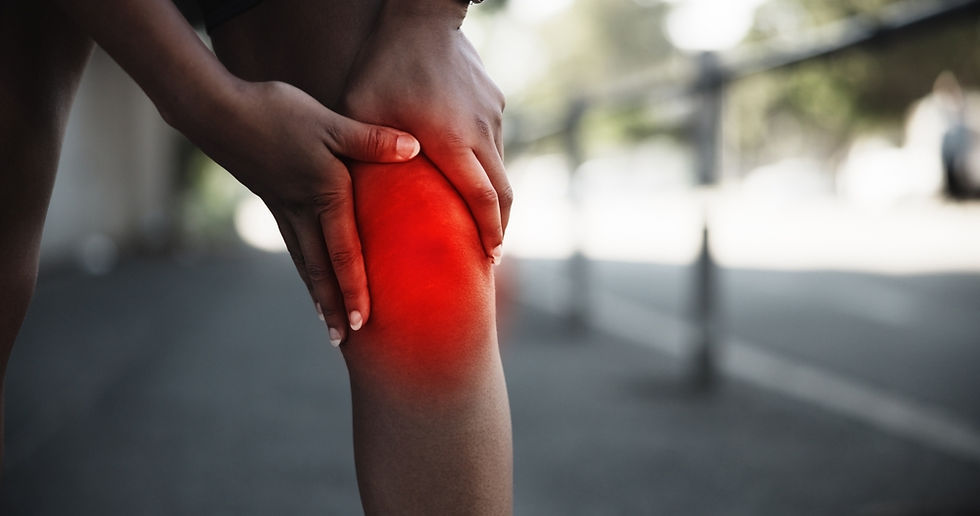
If getting up from a chair, squatting, or climbing stairs causes sharp pain in your knee, it's a sign that you need to pay attention to it. That specific feeling when your knee hurts when bent is common because bending is one of the most demanding tasks the joint performs.
Many people also notice knee stiffness after bending or feel pain when the knee is bent only during certain movements. It's common to think, 'my knees hurt when I bend them,' and wonder what changed.
This discomfort can stem from many issues, from an irritated tendon to worn-down cartilage. If you've asked, 'why do my knees hurt when bending?', understanding the signal is the first step to relief. This guide explains how to manage pain right away. It looks at common reasons for pain and shows when you should see a doctor.

Summary
Knee pain when bending can indicate various issues, from minor irritations to serious conditions. Identifying the pain's location is key for diagnosis. Using the R.I.C.E. method can provide immediate relief, while stretches and strengthening exercises promote flexibility and support. Recognizing red flags that require medical attention is essential for persistent or severe pain.
Additionally, appropriate knee braces can help manage conditions like meniscus tears, arthritis, and runner's knee, facilitating mobility and improving overall knee health.
Your First-Aid Plan: Immediate Steps for a Painful Knee
When your knee flares up, the first goal is to calm it down. The most effective home remedy is a simple four-step process known as R.I.C.E., a safe first response for many types of knee pain.
Rest: Stop the activities that are causing the pain. Give your knee a break from stressful movements.
Ice: Apply a cold pack wrapped in a thin towel for 15-20 minutes at a time to reduce swelling and dull the ache.
Compression: Gently wrapping the knee with an elastic bandage can provide support and limit swelling.
Elevation: When resting, prop your leg up on pillows so your knee is above heart level. Gravity helps drain fluid away from your knee, reducing that tight, puffy feeling.
This immediate care can provide significant relief, but the location of your pain offers the next set of clues. If you feel knee soreness when bending or think 'pain while bending my knee,' slow down and use this sequence to reduce irritation.
Is the Pain at the Front? Understanding "Runner's Knee"
Pain at the front of the knee, often felt as a dull ache around the kneecap, is a sign of Patellofemoral Pain Syndrome. This condition is often known as "Runner's Knee". It affects anyone during activities like squatting, using stairs, or rising from a chair. Many people describe this as kneecap pain when bending.
Surprisingly, the problem often starts with weak hip muscles. These muscles stabilize your thigh bone; when they're weak, your thigh can rotate inward, causing the kneecap (patella) to rub against its track. This misalignment leads to irritation and that familiar pain behind the kneecap when squatting.
A tell-tale symptom is the "movie theater sign": an achy, stiff knee and knee pain when bent during long sitting. This dull, frontal ache is very different from a sharp pain on the sides of the knee, which might suggest another issue.
Pain on the Sides: What Twisting or Popping Could Mean
Unlike the dull ache of Runner's Knee, a sharp pain on the sides of your knee often signals an injury, especially if it began with a sudden twist or a "pop." This type of pain tends to be specific, and you can often point to the exact spot that hurts. Some people notice sharp pain on knee when bending or even sudden knee pain while bending after a misstep.
Your knee has two C-shaped pieces of cartilage called the meniscus, which act as shock absorbers. A sudden twist can tear this cushion, causing a feeling of catching, locking, or sharp pain when you try to straighten your leg. Many people with a tear find the inside of the knee hurts when bending.
Holding the joint together are strong ligaments. If you sprain a ligament, you feel pain right away. There may also be swelling and a feeling that your knee is weak, like it might give out.
While a meniscus tear feels like something is caught inside the joint, a ligament injury feels like the entire knee has lost its support.
What Causes the Back of Your Knee to Hurt?
The sensation of tightness or a bulge directly behind your knee may point to a Baker's cyst. This is a fluid-filled sac that forms when the knee joint is swollen from another issue, like arthritis or a meniscus tear. It causes persistent, uncomfortable pressure when you fully bend or straighten your leg. Some people describe it as pain in leg behind kneeor a nagging pain in back of knee.
A different kind of pain in the same area, often a sharp pull near your upper calf, could be hamstring tendonitis. This occurs when the tendons connecting your hamstring muscles to the back of the knee become irritated from overuse. Both issues are signals that the knee is under stress and that improving flexibility may help.
Two Gentle Stretches to Improve Knee Flexibility
When your quadriceps (the front of your thigh) and hamstrings (the back of your thigh) get tight, they can pull on your kneecap. This can cause rubbing and pain, especially above your knee when you bend it. These stretches encourage your muscles to relax their grip on the joint.
Hamstring Stretch: Sit on the floor, extend one leg, and slowly lean forward until you feel a light pull—never pain.
Quadriceps Stretch: Stand while holding a wall for balance and gently bring one heel up toward your glute.
Hold each stretch for 20-30 seconds. Flexible muscles allow the joint to move freely and correctly, which is a foundational step in preventing injury.
Two Simple Exercises to Build Stronger Knee Support
Once your muscles are more flexible, you can build strength to support the joint.
Straight Leg Raise: While lying on your back with one knee bent, slowly lift the other leg straight up about a foot, hold briefly, and gently lower it. This strengthens your thigh muscle without requiring painful bending.
Glute Bridge: A key to healthy knees is strong hips. Lie on your back with both knees bent and feet flat, then lift your hips until your body forms a straight line from shoulders to knees. Strong glutes prevent poor alignment that pulls on the knee joint.
Mastering these exercises creates a powerful and stable base for all your movements.

When to See a Doctor: Recognizing the Red Flags
While home care is effective for minor pain, certain signs indicate a more serious problem that requires medical attention. See a doctor if you experience any of the following:
A "popping" sound at the time of injury, followed by immediate pain and swelling.
Inability to put weight on your leg.
A feeling of instability, as if your knee is locking, catching, or giving out.
Obvious deformity in the knee joint or leg.
Severe swelling and redness around the knee.
Fever, chills, or other signs of infection accompanying the knee pain.
Pain that does not improve after several days of rest and home care.
Frequently Asked Questions (FAQ)
1. Why do my knees hurt when bending?
Knee pain when bending can be due to various reasons, including injury, arthritis, or tendonitis. Some ask "why do my knees hurt when bent" versus during straightening—it's essential to identify the specific cause for appropriate treatment.
2. What are the common problems bending knee?
Common problems that occur when bending the knee include tendonitis, arthritis, meniscus tears, and issues with the ligaments. Each condition may present different symptoms and require different management strategies.
3. What causes severe knee pain when bending?
Severe knee pain when bending may indicate a serious issue, such as a ligament injury or cartilage damage. It's advisable to consult a healthcare professional for an accurate diagnosis.
4. Why does my knee only hurt when bent?
If your knee only hurts when bent, it could be due to conditions like patellofemoral pain syndrome or osteoarthritis, which may require targeted treatments.
5. What can cause kneecap pain when bending?
Kneecap pain when bending may arise from conditions like patellar tendonitis or chondromalacia patella, where the cartilage on the kneecap softens and deteriorates.
6. What is pain in the leg behind the knee?
Pain in the leg behind the knee may indicate issues such as hamstring injuries or a Baker's cyst—often described as pain in leg behind knee or "pain in back of knee"—which could be exacerbated during activities that involve bending.
7. Why does my knee hurt while bending my leg?
If your knee hurts when you bend your leg, it might be because your muscles are tight or there are problems with the joint. This is often called knee pain while bending. Whether it's right knee pain when bending or left knee pain when bent, a proper evaluation can help determine the cause.
8. What causes pressure in the knee when bent?
Feeling pressure in your knee when it's bent can happen because of swelling, arthritis, or damage to the knee joint. It's important to see a doctor for proper care.
9. What are some reasons for knee discomfort when bending?
Knee discomfort while bending can be caused by overuse, injury, or existing medical conditions like arthritis. Consistent monitoring and care can aid in managing this discomfort.
10. What are the best knee braces for meniscus injuries and arthritis?
The best knee brace for meniscus injuries and arthritis is a hinged one. It gives support and stability, which helps reduce pain and lets you move better. Look for options that offer compression and stabilization while remaining comfortable for daily wear.
11. What is the best knee brace for runner's knee?
For runner's knee, a patellar stabilizing brace is ideal. These braces help fix the knee cap alignment and lessen strain. They are great for easing pain from "Runner's Knee" while being active.




Comments