

Understanding Pain When Straightening Knee

Updated: Sep 29
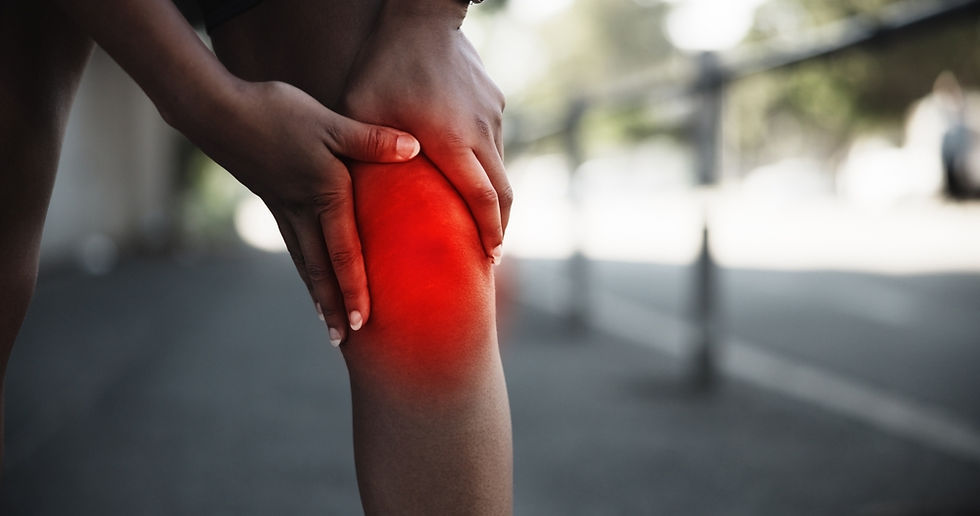
Knee pain when straightening your leg can stem from various factors, including injuries, overuse, and underlying medical conditions. This guide focuses on Understanding Knee Pain When Straightening and related questions people often ask, such as "why does my knee feel tight?" and "why does my knee hurt when i straighten it?" Many also describe knee pain while straightening or knee pain when leg is straight. Here's a closer look at some common causes:
Injuries
Injuries to the knee are a primary cause of pain when straightening your leg. These can differ in how serious they are and what kind they are, but they all can interrupt daily life and cause a lot of discomfort.
Ligament Injuries: Ligaments are crucial for stabilizing the knee joint. A sprain or tear, especially in the anterior cruciate ligament (ACL), is common among athletes. It can cause sharp pain and make it hard to move.
The ACL can be injured during sports that involve sudden stops or changes in direction.
Meniscus Tear: The meniscus acts as a shock absorber in the knee. Tears can occur when the knee is twisted forcefully, often seen in sports like basketball or football. This type of injury can lead to locking sensations, knee discomfort when straightened, pain, and swelling, making the act of straightening the knee both painful and difficult.
Patellar Tendonitis: Known as "jumper's knee," this condition results from repetitive stress on the knee, common in activities that involve jumping. The patellar tendon becomes inflamed, leading to pain when straightening the knee and sometimes pain when extending knee during activity. Over time, this can limit range of motion and affect performance in sports.
These injuries may cause pain when straightening knee and a sense that the knee hurts when straight, especially after intense activity.
Overuse
Using your knee a lot can cause injuries from overuse. This happens often to athletes and people with tough jobs. Understanding the impact of overuse is vital for prevention and management.
Bursitis: This condition arises when the bursae, small fluid-filled sacs that cushion the knee joint, become inflamed. Doing too much of certain activities, like kneeling for a long time or moving in the same way repeatedly, can cause bursitis. This makes the knee hurt and swell.
People may notice tightness around knee or that the knee feels tight and stiff after activity.
Runner's Knee: Also known as patellofemoral pain syndrome, this condition results from repetitive movement and stress on the knee joint. Common in runners and cyclists, it causes pain around the kneecap, especially noticeable when bending or straightening the leg. Some ask, "why is my knee tight when i bend it?" or report tightness in knee when bending during training.
Iliotibial Band Syndrome: This occurs when the iliotibial band, a ligament running down the outside of the thigh from the hip to the shin, becomes tight or inflamed. This can cause pain on the outer knee, particularly when the knee is extended. Athletes sometimes describe knee pain when knee is straight during downhill running.
Medical Conditions
Various medical conditions can contribute to knee pain, particularly when straightening the leg. These conditions often involve chronic changes to the knee structure and require long-term management.
Arthritis: Osteoarthritis and rheumatoid arthritis are leading causes of knee pain. Osteoarthritis happens when joints wear down over time, which breaks down the cartilage. Rheumatoid arthritis is caused by inflammation from the body's immune system attacking itself. Both conditions can make straightening the knee painful and challenging, and may leave people asking, "why is my knee so stiff?".
Chondromalacia Patellae: This condition involves the softening and deterioration of the cartilage under the kneecap. It causes pain when the knee is straightened, especially after sitting for long periods. Some describe it as "the front of my knee hurts when i straighten it." This condition is often seen in young athletes and can be exacerbated by overuse.
Gout: Gout is a form of arthritis characterized by the accumulation of uric acid crystals in the joints. It leads to sudden, intense pain and swelling, often affecting the knee. Managing gout involves dietary changes and medication to control uric acid levels.
Symptoms of Pain When Straightening Knee
Understanding the symptoms can help you determine the underlying cause of your knee pain. People sometimes say their knees feel tight or ask, "why do my knees feel tight?"
Sharp Pain
Sharp pain is often a hallmark of acute injuries such as ligament tears or fractures. This type of pain is sudden and intense, usually indicating a need for immediate medical assessment. Such pain can also accompany movements like straightening the knee, making it difficult to perform everyday activities.
Swelling
Swelling is a common symptom of inflammation in the knee joint. It can result from injuries, overuse, or conditions like arthritis. Swelling often leads to stiffness and a feeling of tightness, which can impede the ability to fully straighten the knee. Some also notice a heavy sensation and wonder, "why does my knee feel heavy?" or "why do my knees feel heavy?"
Stiffness
Stiffness is frequently associated with arthritis, limiting the range of motion in the knee. This symptom can make it difficult to move the knee freely, affecting activities such as walking, climbing stairs, or standing up from a sitting position. Many report difficulty straightening knee first thing in the morning.
Clicking or Popping Sounds
Sounds like clicking or popping in the knee can suggest the presence of meniscus tears or cartilage damage. These sounds are often accompanied by pain and may indicate that the knee joint is not moving smoothly, possibly requiring medical evaluation.
Instability
A feeling of instability or that the knee might give way is often related to ligament injuries. This can be particularly concerning during activities that require weight-bearing or sudden changes in direction. Instability not only affects mobility but also increases the risk of further injury.
Diagnosing Knee Pain While Straightening

If you're experiencing persistent knee pain, it's crucial to seek medical advice. A healthcare professional may perform several diagnostic tests. Patients often describe symptoms like "pain in my knee when i straighten it" or ask, "why does my knee hurt when i extend it?" to help guide the assessment.
Physical Examination
A physical examination is the first step in diagnosing knee pain. The doctor will assess swelling, pain levels, and range of motion. This examination can reveal signs of inflammation, injury, or misalignment, guiding further diagnostic efforts.
Imaging Tests
Imaging tests such as X-rays, MRIs, or CT scans provide detailed images of the knee's internal structures. X-rays can reveal bone abnormalities, while MRIs offer a clearer picture of soft tissues like ligaments and cartilage. These tests are essential for identifying the precise cause of knee pain.
Arthroscopy
Arthroscopy is a minimally invasive procedure that allows doctors to view the inside of the knee joint directly. By inserting a small camera through a tiny incision, doctors can diagnose and sometimes treat the underlying cause of knee pain. This procedure is particularly useful for identifying issues not visible through other imaging tests.
Treatment Options for Knee Pain When Straightening
Treatment varies depending on the cause of your knee pain. Here are some common approaches:
Rest and Ice
For minor injuries or overuse, resting your knee and applying ice can reduce swelling and pain. Rest allows the body to heal naturally, while ice helps to control inflammation and numb the affected area, providing temporary relief.
Physical Therapy
Physical therapy is crucial for strengthening the muscles around your knee, improving stability and flexibility. A physical therapist can design exercises just for you. This helps reduce pain and stops injuries by making your knee stronger.
Medications
Over-the-counter pain relievers like ibuprofen or acetaminophen can help manage pain and inflammation. In more severe cases, a doctor might prescribe stronger medications, including anti-inflammatory drugs or corticosteroids, to provide more effective pain control.
Injections
Injections such as corticosteroids can provide temporary relief from inflammation and pain. These injections are particularly useful for managing arthritis symptoms. Hyaluronic acid injections might also be used to lubricate the joint, improving movement and reducing pain.
Surgery
In cases of severe injury or when other treatments fail, surgery may be necessary. Surgical options could involve repairing torn ligaments, removing damaged cartilage, or even joint replacement. Surgery is typically considered a last resort after exploring other treatment options.
Preventing Knee Pain When Straightening
Preventing knee pain involves a combination of lifestyle changes and exercises:
Regular Exercise
Engage in low-impact activities like swimming or cycling to strengthen your knee muscles. These exercises help maintain joint health without placing excessive stress on the knees, promoting overall mobility and function.
Stretching
Regular stretching can improve flexibility and prevent stiffness. Stretching routines should target the muscles around the knee, including the quadriceps, hamstrings, and calves, ensuring that the knee joint can move through its full range of motion comfortably.
Weight Management
Maintaining a healthy weight reduces the strain on your knees. Excess weight can increase pressure on the knee joints, exacerbating pain and contributing to conditions like osteoarthritis. Weight management through diet and exercise is essential for long-term knee health.
Proper Footwear
Wear shoes that provide adequate support, especially during physical activities. Proper footwear can help align the legs and reduce stress on the knees, minimizing the risk of injury and pain during movement.
Warm-Up
Always warm up before exercising to prepare your muscles and joints. A proper warm-up increases blood flow to the muscles, reducing the risk of injury and improving performance during physical activities.
When to See a Doctor
While minor knee pain can often be managed at home, you should consult a doctor if:
Severe or Persistent Pain
If the pain is severe or persistent, it may indicate a more serious underlying issue that requires medical attention. Ignoring such pain can lead to further complications or chronic conditions.
Significant Swelling or Redness
Swelling or redness in the knee joint can be a sign of inflammation or infection. These symptoms warrant a medical evaluation to determine their cause and appropriate treatment.
Fever with Knee Pain
Experiencing fever along with knee pain could suggest an infection, which needs immediate medical attention. Infections in the joint can lead to serious complications if not addressed promptly.
Deformity or Inability to Bear Weight
If the knee appears deformed or you can't put weight on it, seek medical help immediately. These signs could indicate a fracture or significant injury requiring urgent care.
Follow the directions on the package or your doctor's advice when taking these, especially if you have any health issues.
FAQs
Q: Why does my knee feel tight when I bend it?
A: Knee tightness can occur due to various factors, including muscle imbalances, overuse injuries, or conditions like arthritis. Stiffness often increases after periods of inactivity, leading to discomfort when bending the knee.
Q: Why does my knee hurt when I straighten it?
A: Knee pain while straightening can arise from injuries such as ligament tears or meniscus damage, as well as conditions like patellar tendonitis and arthritis. Each cause may present with additional symptoms like swelling and instability.
Q: Why is my knee so stiff?
A: Stiffness in the knee can result from conditions like arthritis, injuries, or prolonged periods of inactivity. Over time, these issues may lead to difficulties in moving the knee, resulting in pain and discomfort during activities.
Q: Why do my knees feel heavy?
A: A heavy sensation in the knees often accompanies conditions like arthritis or bursitis. These conditions can cause inflammation and swelling, leading to tightness and discomfort, particularly after periods of rest or when engaging in physical activity.
Q: What can cause pain when extending my knee?
A: Pain when extending the knee is frequently associated with conditions affecting the knee joint's structure or function, such as chondromalacia patellae or bursitis. This pain can be exacerbated by overuse or specific movements, leading to discomfort.
Q: Can a knee brace help with my knee pain?
A: Yes, a knee brace can provide valuable support and stability for individuals experiencing knee pain, especially when straightening the leg. It helps alleviate discomfort during activities by reducing strain on the knee joint and providing compression, which can decrease swelling and improve blood flow. Whether you're dealing with knee discomfort from injuries, overuse, or chronic conditions like arthritis, using a knee brace can promote healing and allow you to maintain mobility without exacerbating your symptoms.
Conclusion
Knee pain when straightening can be caused by various factors, from injuries to chronic conditions. Understanding the potential causes and symptoms can help in seeking appropriate treatment. Always consult a healthcare professional for a proper diagnosis and tailored treatment plan.
By taking preventive measures and maintaining a healthy lifestyle, you can reduce the risk of knee pain and enjoy greater mobility. Some people will notice improvement in common concerns like knee hurts when straightened, knee hurt when straighten leg, or "why do my knees feel tight" as strength and flexibility improve.


Comments