

Understanding the Connection: Back and Foot Pain

Back and foot pain are prevalent issues that countless individuals encounter at various stages of their lives. These discomforts can significantly impact daily activities and overall well-being. Surprisingly, many people are unaware of the potential link between these two types of pain. Understanding the Connection: Back and Foot Pain can help you find good ways to reduce pain and improve your life.
This article will look at how back pain and foot pain are connected, including common back pain foot pain patterns. We will discuss the common causes of these pains and give tips on how to manage them well. By understanding the underlying mechanisms and influences, you can take proactive steps toward achieving lasting relief and comfort from foot pain and lower back pain.

Back and foot pain are intricately connected due to the complex and interconnected nature of the body's musculoskeletal system. The spine runs down your back. It connects your pelvis, which is linked to your legs and feet. This chain ties the back and foot, influencing alignment and load distribution.
This means that problems in one part of the body can cause pain or discomfort in another part.
For instance, if you experience lower back pain, it can alter your posture, gait, or the way you distribute weight while standing or walking. These changes can lead to additional stress on your feet, resulting in foot pain. On the other hand, foot problems like bad arch support or alignment issues can change how you stand. This may lead to back pain.
These findings show how back and foot pain related issues often share common drivers.
Understanding this intricate relationship underscores the importance of a holistic approach to diagnosing and treating these pains.
Can Back Pain Cause Feet to Hurt?
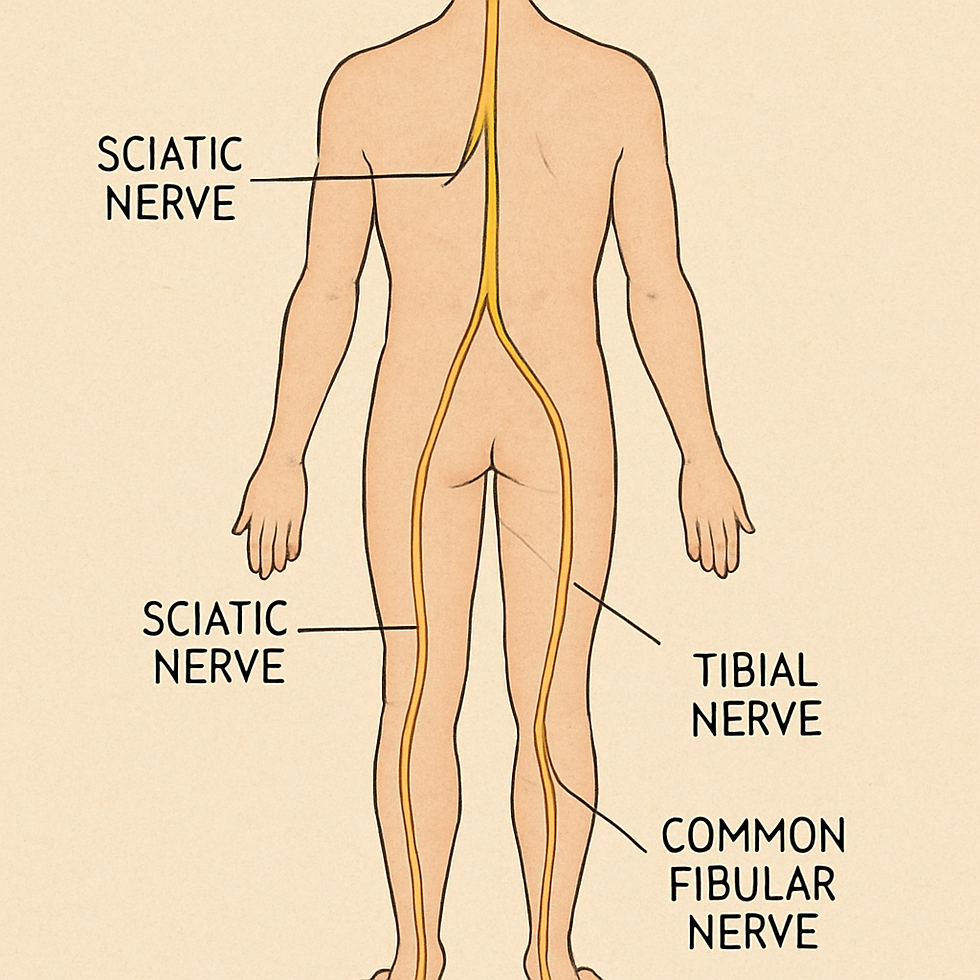
Indeed, back pain can cause your feet to hurt due to the intricate network of nerves that traverse from your lower back to your feet. When these nerves are pressed or irritated, usually because of back issues, it can cause pain, tingling, or numbness in your feet.
This phenomenon highlights the body's remarkable ability to convey symptoms across interconnected systems.
Conditions such as sciatica are prime examples, where the sciatic nerve becomes compressed, leading to pain that radiates from your lower back down to your feet. This understanding of nerve pathways is crucial in identifying the root cause of foot pain and lower back pain and implementing appropriate treatments. Understanding this link helps us make targeted choices that deal with both the symptoms and root causes, creating a complete way to relieve pain.
Common Causes of Back and Foot Pain
Understanding the common causes of back and foot pain can empower you to take preventive measures or seek appropriate treatment. By identifying the root causes of sore back and feet, you can make informed decisions about your health and well-being.
Lower Back Pain Causes
Poor Posture: Consistently sitting or standing with poor posture puts undue stress on your lower back, potentially leading to chronic pain. Over time, this stress can exacerbate existing issues or create new ones.
Muscle Strain: Overusing or injuring your back muscles through activities like lifting heavy objects or sudden movements can result in strain and discomfort. This is often characterized by sharp pain and limited mobility.
Herniated Disc: A slipped or herniated disc in your spine can press on nerves, causing lower back and foot pain. This condition often requires careful management to prevent further complications.
Arthritis: Osteoarthritis or rheumatoid arthritis can lead to inflammation and pain in your lower back. These chronic conditions often necessitate long-term management strategies to maintain mobility and reduce discomfort.
Foot Pain Causes
Plantar Fasciitis: Inflammation of the plantar fascia tissue on the bottom of your foot can cause heel and arch pain, often exacerbated by prolonged standing or walking.
Flat Feet: Having little to no arch in your feet can lead to foot and back pain due to improper weight distribution, affecting overall posture and alignment.
Bunions: These painful, bony bumps on your feet can affect your walking pattern, leading to compensatory back pain as your body adjusts to the discomfort.
Nerve Damage: Conditions like peripheral neuropathy, often linked to diabetes or other systemic issues, can cause burning sensations in your feet and are sometimes related to lower back issues.
Signs and Symptoms to Watch For
Recognizing the signs and symptoms of back and foot pain is crucial for early intervention and effective management. By being aware of these indicators, you can seek medical advice sooner and receive the treatment you need.
Symptoms of Back Pain
Persistent ache or stiffness in your back, which may vary in intensity and duration.
Sharp, shooting pain in the lower back that can radiate to other areas, indicating nerve involvement.
Pain that worsens with activity, often hindering daily tasks and reducing quality of life.
Numbness or tingling in your legs, a sign that nerve compression may be affecting your mobility.
Symptoms of Foot Pain
Sharp or stabbing pain in your heel or arch, often intensifying with weight-bearing activities.
Swelling or redness in your feet, indicative of inflammation or injury.
Burning sensation in your toes, which can be a sign of nerve damage or circulatory issues.
Pain that worsens with standing or walking, limiting your ability to engage in regular activities.
Managing Back and Foot Pain
There are numerous strategies available for effectively managing back and foot pain. Implementing these strategies can significantly improve your comfort and quality of life.
Exercise and Stretching
Regular exercise and stretching can make your back and feet stronger. This helps improve flexibility and lowers pain. Do exercises that work on your core, back, and feet. Activities like yoga or Pilates can help you stay stable and strong.
Proper Footwear
Choosing supportive and comfortable shoes can make a significant difference in managing back and foot pain. Look for shoes with good arch support and cushioning to reduce foot pain and lower back pain by improving posture.
Posture Correction
Being mindful of your posture can play a pivotal role in preventing and reducing back pain. Ensure your sitting and standing posture is correct, and make necessary adjustments as needed. Ergonomic furniture and regular posture checks can be beneficial in maintaining alignment.
Pain Relief Techniques
Over-the-counter pain relievers, hot and cold therapy, and massage can provide temporary relief from back and foot pain. Using supportive devices like knee braces and back braces can really help you feel more comfortable and manage pain better.
Knee Braces: If you have knee pain that changes how you walk and causes foot or back pain, a knee brace can help. It gives support and stability. Knee braces help reduce pressure on the knee. This makes it easier to move and walk comfortably. It can also help reduce stress on your back.
Back Braces: Similarly, back braces can be effective in managing lower back pain. They support the spine, promote proper posture, and reduce strain on the back muscles. These braces can help support your lower back. This support can reduce pain that goes down to your feet. They help with both the cause and the symptoms of pain.
It's important to see a doctor if you have ongoing pain. They can help you look into other treatments like physical therapy or chiropractic care, along with using supportive devices.
By incorporating knee and back braces into your pain relief routine, you can improve your overall mobility and comfort, allowing you to engage in daily activities with greater ease.

by Lucia Sorrentino (https://unsplash.com/@lucia_sorrentino)
When to Seek Professional Help
Many cases of back and foot pain can be treated at home. However, sometimes you need to see a professional. Seeking medical advice is crucial if:
Your pain is severe or persistent, indicating a potential underlying issue that needs addressing.
You experience numbness or tingling, which may suggest nerve compression or damage.
Pain interferes with your daily activities, significantly impacting your quality of life.
You have unexplained weight loss alongside the pain, as this could be a sign of a more serious condition.
Frequently Asked Questions (FAQ)
1. Can back pain cause feet to hurt?
Yes, back pain can indeed cause feet to hurt. When nerves in your lower back are squeezed, they can send pain messages to your feet. This may lead to symptoms such as tingling, numbness, or sharp pain in your feet, illustrating the link between lower back pain and ankle pain.
2. What are common causes of sore back and feet?
Some common causes of sore back and feet include poor posture, muscle strain, and conditions like herniated discs or arthritis affecting the lower back. Similarly, foot-related issues like plantar fasciitis, flat feet, and bunions can also contribute to feet and back pain as your body compensates for the discomfort.
3. Is lower back and foot pain related?
Yes, lower back pain and foot pain are interrelated due to the biomechanics of the body. Many back and foot pain related problems arise when posture changes alter weight distribution on the feet, resulting in discomfort. Conversely, issues in the feet can lead to lower back discomfort as well.
4. How can I relieve back and foot pain?
Relieving back and foot pain can often be achieved through a variety of methods. Regular exercise and stretching help strengthen muscles and promote flexibility. Wearing supportive footwear can significantly alleviate foot pain, which in turn may reduce lower back pain. Additionally, posture correction and pain relief techniques such as hot and cold therapy can be beneficial.
5. When should I seek help for back and foot pain?
You should seek professional help if your pain is severe or persistent, experiences associated numbness or tingling, or if it interferes with your daily activities. If you have lower back and feet pain alongside unexplained weight loss, it is also imperative to consult with a healthcare professional.
Conclusion
Understanding the connection between back and foot pain is vital in finding effective relief and improving your overall well-being. By recognizing the causes and symptoms of these pains, you can take proactive steps to manage them. To feel better and improve your life, it's important to live healthy, sit up straight, and get help from a professional when you need it.
Taking care of your back and feet is important. It helps you live your life without pain.
This way, you can enjoy your everyday activities more easily. With the right knowledge and approach, you can achieve lasting comfort and mobility.


Comments