

Knee Arthritis and Calf Pain: Causes and Relief Explained

You know the deep, familiar ache of osteoarthritis, but lately, a sharp tightness below the joint is keeping you off your feet. It feels like a relentless charley horse, leaving many people wondering: Can knee arthritis pain radiate down the leg? If you want to ease your pain, think about trying the BCI knee brace. It is made to help with arthritis.
Many people also ask, 'what does arthritis in the knee feel like?' Typically, it presents as a deep, stiff ache with occasional swelling or creaking, flaring after activity and easing with rest.
Summary
Knee osteoarthritis can cause calf pain. This happens because changes in how you walk may put more strain on your calf muscles. It can also lead to a Baker's cyst, which can increase pressure in the calf. It's important to tell these symptoms apart from a serious DVT. A dangerous DVT causes sudden pain, warmth, redness, and swelling that leaves a dent when pressed.
Relief centers use gentle stretching, compression, and easy exercises. They also offer support with things like the BCI knee brace. Addressing knee inflammation and movement patterns helps ease calf tightness and restore comfortable daily function.
Physical therapists consistently note that our bodies rarely keep problems isolated. When your joint is weak and can't support you well, your calf has to work harder to help you walk.
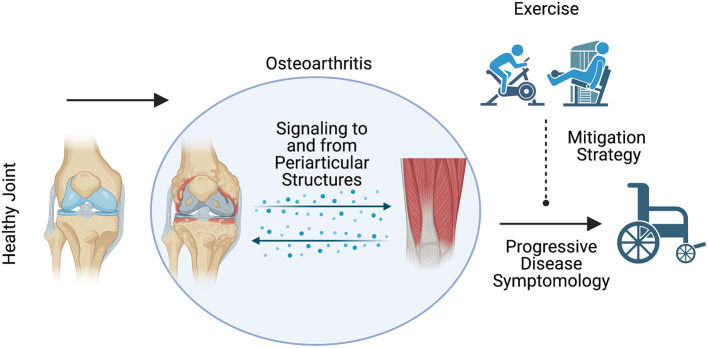
This frustrating link between knee arthritis and calf pain demonstrates a phenomenon known as referred pain. Joint inflammation, altered walking habits, and trapped fluid directly trigger this unexpected discomfort, and addressing these underlying issues is the key to moving comfortably again.
Key Takeaways
Knee arthritis can cause calf pain through compensatory gait changes.
Limiting movement and adjustments can strain the calves.
Differentiate arthritis pain from DVT symptoms.
Baker's cysts may cause calf pressure due to trapped fluid.
Regular stretching and compression therapy can alleviate discomfort.
Low-impact exercises improve mobility.
Consider the BCI knee brace for support.
The 'Gait Shift': How Your Body Overworks Your Calves to Protect a Stiff Knee
You already know that losing knee cartilage makes moving feel like riding on broken shock absorbers. But if the damage is inside the joint itself, why does joint wear and tear affect the back of the leg?
The answer involves how your body instinctively changes your walking style to avoid pain. When your painful knee can't support your weight, your big calf muscle (the gastrocnemius) helps out a lot.
Physical therapists regularly see three common gait compensations that strain this muscle:
Limping: Shifts heavy, uneven loads onto the calf to protect the knee.
Reduced Stride: Keeps the leg stiff, which prevents the muscle from naturally relaxing between steps.
Toe-Walking: Forces the calf to stay constantly flexed to brace the sore joint.
Living with these continuous physical adjustments leads to deep, aching muscle exhaustion. If you want to tell the difference between knee joint problems and sciatica symptoms, keep in mind that calf tightness is due to a physical strain. It feels like a heavy cramp. This is different from the sharp pain that comes from joint problems in the lower back.
Because your calf is constantly pulling double shifts, it quickly tightens into a knot just from a simple trip to the mailbox. Muscle tiredness isn't the only reason you feel discomfort. Sometimes, joints swell and fluid moves down.

When Fluid Moves South: Understanding Baker's Cysts and the 'Water Balloon' Effect
Sometimes, lower leg tightness isn't caused by muscle fatigue, but by trapped liquid. When arthritis flares up, your irritated knee creates excess fluid to protect itself. The front of your joint is stiff and tight. This makes the liquid inside get pushed back, like a water balloon that is too full. This shows how synovial fluid buildup affects your leg muscles.
That soft pocket forming behind your joint is a Baker's cyst. As gravity pulls this fluid downward, it creates heavy pressure against your calf. It's important to notice Baker's cyst symptoms along with tightness in your lower leg. This tight feeling is different from a cramp. Instead of a sharp knot, you feel a constant, heavy fullness when you walk or bend your leg.
Managing swelling behind the knee and lower leg usually involves elevation and calming the underlying arthritis. While this heavy pressure typically resolves naturally, sudden swelling could signal a more dangerous vascular issue.
Arthritis Pain vs. Deep Vein Thrombosis: When Calf Tightness Requires Urgent Care
If you have tightness in your legs, it's important to know the difference between arthritis pain and a serious condition called Deep Vein Thrombosis (DVT). DVT can block blood flow and needs urgent medical help.
To separate typical posterior knee inflammation and calf muscle ache from a clot, compare these distinct patterns:
Typical Arthritis Ache: Gradual onset, dull throbbing, and improves with gentle movement.
DVT Warning Signs: Sudden sharp pain, localized heat, redness, and "pitting edema"---swelling where firmly pressing your finger leaves a lingering dent in the skin.
Vascular pain feels distinctly hotter and angrier than normal joint wear-and-tear. If you spot those sudden red flags, seek immediate medical help instead of resting. If your symptoms feel like the usual stiffness from working your legs too much, you can gently do some low-impact stretches to help.

The 10-Minute Relief Routine: Low-Impact Stretches for Stiff Calves and Aching Knees
Now that you no longer have blood clot symptoms, a simple stretching routine can help your aching legs and stiff knees. This can ease the tired feeling in your lower body without hurting your joints.
Try this safe Wall Calf Stretch:
Stand facing a wall, resting your hands flat against it at shoulder height.
Step your tight leg backward, keeping the heel pressed firmly down into the floor.
Bend your front knee slightly, leaning forward until the back calf gently pulls.
Hold for 30 seconds, breathing deeply, and repeat twice per leg.
Beyond targeted stretching, utilizing compression therapy for leg discomfort from inflammation helps manage excess swelling. Mild compression socks gently squeeze your lower leg. They help move extra fluid back toward your body. This prevents fluid from settling in your muscles and causing cramps.
For more help, think about the BCI knee brace for arthritis. It can give you support and comfort while you go about your daily tasks.
To maintain this newfound flexibility, you need consistent, low-impact motion. The best exercises for stiff calves due to knee osteoarthritis include swimming, stationary cycling, and water aerobics. These three activities help your joints move easily without hurting them. They get your body ready for daily movements that help reduce joint damage.

Your Roadmap to Movement: Daily Adjustments to Reduce Joint Wear and Calf Cramping
You now understand that the deep tightness in your lower leg isn't your imagination. Because your knee and calf share the workload, supporting your arthritic joint directly relieves that overworked muscle.
Start easing that burden today by improving mobility through gentle, consistent movement. Measure your progress not by total pain elimination, but by the daily functions you regain. Navigating the grocery store comfortably or finally finishing your gardening without needing a break are your true success metrics.
By embracing low-impact activities for chronic joint and leg soreness, you can build a sustainable, manageable routine. Small, daily adjustments will help you confidently reclaim your favorite movements and enjoy a more active life. For lasting relief and support, empower yourself with the BCI knee brace for arthritis. Experience the difference it can make in achieving your daily activities with greater ease and comfort.
Q&A
Can knee arthritis cause calf pain?
Yes. Knee osteoarthritis often leads to calf tightness because your walking pattern changes to protect the painful joint. The calf muscle works harder than it should. It helps with balance when a person limps, walks less, or walks on their toes. In addition, knee swelling can shift backward and downward to form a Baker’s cyst, which increases pressure against the calf. Together, these factors create a dull, heavy, cramp-like ache in the lower leg.
What should I know about Knee Arthritis and Calf Pain?
Knee arthritis can significantly impact your mobility and lead to calf pain due to compensatory gait changes. Understanding how these two conditions are connected can help you take appropriate measures for relief. Recognizing symptoms and seeking treatment can alleviate discomfort and improve your overall quality of life.
How do I tell the difference between arthritis-related calf pain and a dangerous blood clot (DVT)?
Arthritis-related discomfort usually builds gradually, feels like a dull ache or tightness, and eases with gentle movement. DVT often starts suddenly and is “hotter and angrier,” with red flags such as sharp pain, warmth, redness, and pitting edema (a lingering dent after pressing the skin). If those sudden warning signs appear, seek immediate medical care.
What is a Baker’s cyst, and why does it make my calf feel full or heavy?
A Baker’s cyst is a pocket of excess joint fluid that gets pushed behind the knee during an arthritis flare, like an overfilled “water balloon.” Gravity can draw that fluid downward, creating a dense, constant fullness or pressure in the calf rather than a sharp cramp. Management typically focuses on elevating the leg and calming the underlying knee inflammation; sudden swelling, however, warrants urgent evaluation to rule out vascular issues.
What does arthritis in the knee feel like, and how is it different from sciatica?
Knee arthritis typically feels like a deep, stiff ache with occasional swelling or creaking; it often flares after activity and eases with rest. The calf tightness from knee arthritis is a mechanical strain—more of a dull, heavy cramp. Sciatica, by contrast, tends to produce sharp, shooting pain patterns that originate in the lower spine and travel down the leg.
What can I do right now to relieve calf tightness and knee ache from osteoarthritis?
Use gentle stretching, compression, and low-impact exercise, and consider bracing for support.
Try the Wall Calf Stretch: hands on a wall at shoulder height, step the tight leg back with heel down, bend the front knee and lean forward until you feel a gentle pull; hold 30 seconds, repeat twice per leg.
Use mild compression socks to move fluid upward and reduce cramping.
Choose low-impact activities like swimming, stationary cycling, or water aerobics to keep joints moving without pounding.
For added stability and comfort during daily tasks, consider the BCI knee brace designed for arthritis.
Track success by the daily functions you regain—like easier grocery trips or gardening—rather than total pain elimination.
Jane D, PT, DPT, is a licensed physical therapist. She has more than 10 years of experience helping people with arthritis.


Comments