

Effective Exercises for Piriformis Syndrome Pain Relief

Updated: Jun 25
You know that deep, nagging ache in your hip that feels like a toothache in your muscle? Physical therapists say that many people have a hard time relieving deep gluteal pain because they treat it like a regular cramp. Actually, this is a muscle-nerve interaction driven by a tiny, gatekeeper muscle called the piriformis.
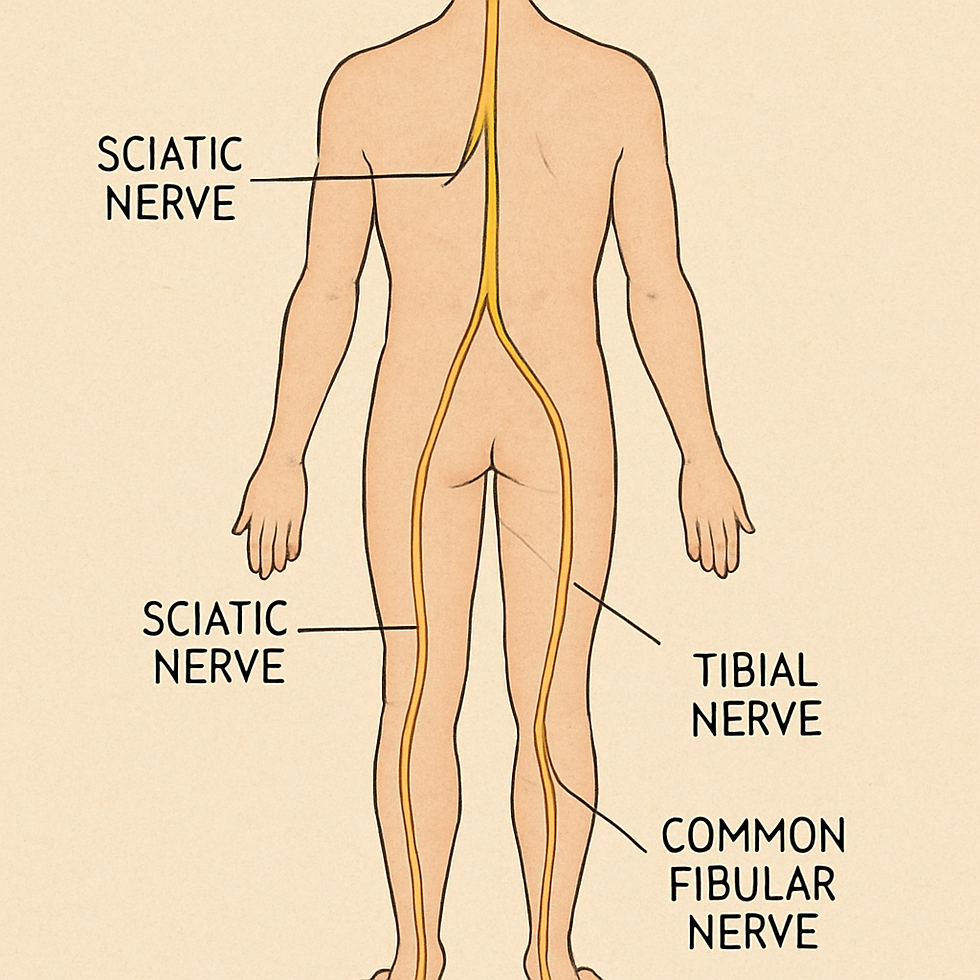
Picture your nerve as a garden hose. When the piriformis muscle gets tight, sitting on hard chairs can press on the sciatic nerve. This can cause common symptoms of nerve pain.
Because of this, the most effective exercises for piriformis syndrome reject the outdated "no pain, no gain" mentality. Rather than aggressively stretching an angry muscle, we will use gentle movements to simply take your foot off the hose. Think of this as a gentle piriformis syndrome workout focused on relief rather than force.
Key Takeaways
Differentiate between sciatica and piriformis syndrome.
Use gentle piriformis syndrome stretches like the Figure-4 to relieve tightness.
Strengthen glutes with piriformis strengthening exercises like Clamshells and Glute Bridges.
Practice nerve flossing to alleviate sciatic nerve tension.
Use a BCI back brace for support and proper posture.

Sciatica vs. Piriformis Syndrome: How to Tell if Your Hip is the Real Culprit
Many people assume shooting leg pain always starts in the lower back. While a spinal problem can certainly pinch the sciatic nerve, a tiny muscle in your buttocks is often the real culprit.
Piriformis syndrome and a herniated disc are different in where the pressure occurs. In piriformis syndrome, the pinch is in your hip. In a herniated disc, it is in your spine.
To find targeted deep gluteal pain relief, physical therapists recommend checking these three key differences:
Start point: Disc pain usually aches in the lower back first. Piriformis pain stays centered right in the buttock.
Red flags: Numbness in both legs or sudden foot weakness signals a spine issue for a doctor, not a simple muscle spasm.
Triggers: Sitting on hard chairs directly angers the piriformis muscle.
When it's the hip, buttock pain stretching exercises and targeted piriformis muscle stretching exercises usually help more than back-centric routines.
Try a 30-second seated test right now. Sit up straight, cross the ankle of your painful leg over your opposite knee, and gently lean forward. If this triggers a deep, toothache-like pain in your hip, you likely have a tight muscle. You can begin fixing this before you even start your day by learning how to stretch piriformis in bed with gentle movements.
Wake Up Pain-Free: How to Stretch Your Piriformis Before Leaving Bed
Waking up with a stiff hip makes getting out of bed feel like a chore. Fortunately, learning how to stretch your piriformis in bed is actually one of the safest ways to start your day. If you're wondering exactly how to stretch piriformis in bed, the steps below are safe and effective. Your mattress provides a soft cushion for your lower back, keeping your spine neutral while you focus entirely on your tight hip.
Before trying any of the common piriformis stretches, you must understand passive hip rotation. This just means letting your leg naturally turn outward without using muscles to force the movement. By relaxing fully, you help the tight muscle release pressure on your sciatic nerve. This is better than pulling at it hard like a stubborn rubber band.
To release that pressure safely, try these two movements while lying flat on your back:
The Figure-4: Often called the best piriformis stretch, start with both knees bent. Cross your painful ankle over the opposite knee. Gently pull the bottom leg toward your chest until you feel a relieving pull in your buttocks.
The Cross Body Piriformis Stretch: Hug your painful knee and gently pull it directly across your chest toward your opposite shoulder.
These piriformis stretches and exercises are simple starters; they're among the best exercises for piriformis syndromewhen pain is acute.
Calming that angry muscle before your feet hit the floor is a fantastic way to prevent a morning limp. However, loosening a tight area is only half the battle.
After the initial pain goes away, you need to find out why it happened. Strengthening weak glutes can help to stop the pain from coming back.
Stop Just Stretching: Why Strengthening Weak Glutes Fixes Piriformis Pain
Finding relief through stretching is wonderful, but the pain often returns hours later. This cycle happens because of "gluteal amnesia," where prolonged sitting makes your large glute muscles fall asleep. When these giants get lazy, your tiny piriformis works overtime to stabilize your leg.
Lasting relief requires specific exercises to strengthen piriformis muscle function by waking up its neighbors. Without dedicated strengthening, you are only putting a temporary bandage on the root problem. If you've wondered how to strengthen piriformis muscle safely, the focus is really on the larger glutes and hip abductors with targeted piriformis strengthening exercises.
Taking the pressure off requires strengthening weak hip abductors---the side muscles that lift your leg. Therapists recommend these three exercises to restore balance; these exercises to strengthen piriformis muscle, often called strengthening exercises for the piriformis muscle, include:
Clamshells: Lie on your side with knees bent, gently lifting your top knee like an opening shell to activate the side glute.
Glute Bridges: Lie flat on your back, squeeze your buttocks, and lift your hips toward the ceiling.
Bird-Dogs: On your hands and knees, slowly extend your opposite arm and leg outward.

These are often considered the best piriformis strengthening exercises in early rehab and form the core of many piriformis muscle exercises and a brief piriformis workout. Together, they serve as exercises for piriformis syndrome strengthening without flaring symptoms.
Nerve Flossing 101: How to Unstick Your Sciatic Nerve Without Irritation
Pulling hard on a tingling leg feels instinctively right, but nerves behave differently than muscles. They are not rubber bands meant to be stretched; they must slide through your tissues like a smooth thread passing through the eye of a needle. When trapped, forcefully yanking that thread causes angry inflammation, known as neural tension. Instead, gentle sciatic nerve flossing techniques and piriformis muscle release drills softly coax the nerve back and forth, calming that sharp, electrical zing as part of your piriformis syndrome physical exercise plan.
To practice nerve glides for sciatica, sit in a chair and slowly straighten your painful leg while looking up at the ceiling. As you lower your foot, gently tuck your chin to your chest. The biggest mistake people make is pushing into sharp pain; you only ever want a mild sensation.
Moving your head and leg together safely slides the nerve without overstretching it. Mastering this pain-free motion is essential for moving from daily pain to long-term mobility.
Your 3-Step Action Plan: Moving from Daily Pain to Long-Term Mobility
You no longer have to guess how to calm that angry muscle and stop "stepping on the hose." Build your confidence using this 10-minute daily routine (a simple piriformis syndrome workout):
Gently release the tight muscle.
Floss the nerve to restore smooth movement.
Build glute strength to keep the pressure off.
To avoid flare-ups, do these exercises along with one simple change. For example, take breaks to stand every hour or change your car seat. If self-help isn't enough after a few weeks, don't hesitate to seek professional physical therapy.
A clinician can tailor physical therapy exercises for piriformis syndrome---often called PT exercises for piriformis syndrome---to your specific symptoms and goals. Keep following this gentle routine, and soon you will be able to sit through a whole movie without any pain.
Recommended Next Step
Still deciding which orthopedic brace best matches your condition?
BCI Orthopedic Braces provides evidence-informed resources to help individuals compare support options based on their condition, symptoms, activity level, mobility goals, and support requirements.
You may find these resources helpful:
These educational resources are designed to help you make a more informed orthopedic brace selection before exploring specific products.
Frequently Asked Questions (FAQ)
What are the best exercises for piriformis muscle pain?
To effectively relieve piriformis muscle pain, consider incorporating exercises such as gentle stretches like the Figure-4 and Cross Body Piriformis Stretch. Additionally, strengthening exercises like Clamshells, Glute Bridges, and Bird-Dogs can provide significant relief and muscle support.
These exercises for piriformis pain are often combined with activity pacing to reduce irritation. Using a BCI back brace can help support your back during these exercises. It helps you keep good posture and can reduce pain.
How can I strengthen my piriformis muscle?
You can strengthen the piriformis muscle through targeted exercises. Focus on Clamshells, Glute Bridges, and Bird-Dogs to activate the glute muscles and support the piriformis.
These exercises to strengthen piriformis and other strengthening exercises for the piriformis muscle are progressed gradually to avoid flare-ups. If your knee hurts while you exercise, think about using a BCI knee brace. It can help give you more support and stability so you can do your exercises safely.
What stretches can I do for piriformis syndrome?
Stretching is vital for relieving tension in the piriformis muscle. Effective stretches include the Figure-4 stretch, Cross Body Piriformis Stretch, and additional stretching exercises designed for buttock pain relief. These stretches for the piriformis muscle are common piriformis muscle stretching exercises; many people rotate through 2 to 3 of the 6 piriformis stretches frequently taught by therapists. Incorporating these piriformis syndrome stretches can be beneficial, especially when combined with supportive gear such as a BCI back brace for maintaining proper spinal alignment.
What physical therapy exercises are recommended for piriformis syndrome?
Physical therapists often recommend a combination of stretching and strengthening exercises specifically targeting the glutes and the hip area to address piriformis syndrome. Programs typically include physical therapy exercises for piriformis syndrome---sometimes listed as PT exercises for piriformis syndrome---along with progressive load management and posture coaching. Using BCI braces can help you recover and support you during therapy. They provide the support you need while you do your exercises.
Are there specific piriformis strengthening exercises that can help with sciatic nerve relief?
Yes, exercises like Clamshells, Glute Bridges, and Bird-Dogs can help. They strengthen the hip area and reduce pressure on the sciatic nerve. This approach to piriformis strengthening often pairs well with nerve glides to reduce sensitivity.
To help with your routines, think about using a BCI back brace. It can keep your spine aligned and lower the chance of more irritation. These strategies rank among the best exercises for piriformis syndrome when symptoms are persistent.
Medically reviewed by John Lee, PTA
Licensed physical therapist specializing in orthopedic rehabilitation and mobility support.
Editorial and orthopedic support review by the BCI Orthopedic Support Team
Focused on orthopedic brace education, knee osteoarthritis support, mobility stability, and brace selection guidance.
Last reviewed: May 2026
This article is for educational purposes only and does not replace professional medical advice, diagnosis, or treatment.




Comments