Best Knee Braces for Arthritis, ACL Injuries & Knee Pain Relief
Search this site
360 results found with an empty search
- Hamstring Compression Sleeve: Myths and Facts
You feel that familiar, dreaded twinge in the back of your thigh. You may have noticed athletes using compression sleeves and are curious if they really help with hamstring pain or if they are just a pricey trend. The answer is a little of both, and understanding the difference is key to avoiding further injury. Summary Hamstring compression sleeve is not a solution or a way to get stronger. They provide gentle pressure that can help lessen symptoms during R.I.C.E. (Rest, Ice, Compression, Elevation) and while you are active. Their primary benefits are psychological comfort, warmth, and improved proprioception, which encourage more confident, natural movement. Choose a snug (not tight) fit and wear them during or after activity or when returning from a minor strain—avoid sleeping in them. For serious injuries that need support, a rigid thigh brace is suitable. Sleeves can help too, but they should be part of a larger plan that includes rest, stretching, and strengthening exercises. To be clear, compression sleeves are not a cure. A sleeve has no special property that can mend torn muscle fibers. Think of it as a helpful bandage. It helps with symptoms but doesn't heal the main problem by itself. For someone with a hamstring strain, true recovery still follows the classic R.I.C.E. protocol of Rest, Ice, Compression, and Elevation. The sleeve's real job is to make that essential resting period more comfortable by gently compressing the area to manage swelling and provide a feeling of security. It's a tool to support your recovery , not replace it. Myth #2: Wearing a Sleeve Will Make Your Hamstring Stronger It's an easy assumption to make: if a sleeve makes your leg feel more stable and secure, it must be making the muscle stronger. However, a compression sleeve provides passive support, not active strength. Think of it like a temporary scaffold around a building; it helps hold things together, but it doesn't reinforce the actual structure. This external squeeze can offer comfort and a feeling of stability, but it can't do the work for your muscles. Your hamstring, like any muscle, only gets stronger when you challenge it through active work. This means making the muscle work against something tough, like in exercises given by a physical therapist. This is what signals your body to repair and build stronger, more resilient muscle fibers. A sleeve simply can't create this stimulus because the muscle itself isn't performing any work to earn the strength. Ultimately, relying on a sleeve for a feeling of strength without doing the underlying work is a risky shortcut. It might provide a confidence boost for your daily walk, but it won't build the robust strength needed for true hamstring supportand injury prevention. Lasting recovery and resilience come from a dedicated strengthening program , not from an accessory you wear. Fact #1: Sleeves Provide Real Psychological Comfort and Confidence A sleeve won't magically make you stronger, but it gives you support. This support is one of its best real benefits. After you've had a hamstring strain, it's natural to feel anxious and hesitant. Every step can be accompanied by the fear of that familiar twinge. A compression sleeve fits snugly and gives steady pressure. It feels nice and reminds you that your muscles are supported. This feeling of security is not imaginary; it's a very real psychological boost. This mental comfort can directly translate into better movement. When you're worried about re-injury, you tend to move stiffly and unnaturally, which can put stress on other parts of your body. By reducing that anxiety, a sleeve can give you the confidence to walk, bend, and climb stairs with a more fluid, normal motion. For many people, this is an important part of healing a hamstring strain. It helps them return to daily activities without feeling worried. This confidence is more than just a "placebo effect." It's a tangible benefit that helps bridge the gap between being injured and feeling fully recovered. It helps you trust your body again, which is a vital part of healing. This feeling of increased awareness---knowing your muscle is secure---is also tied to another key benefit. Fact #2: Sleeves Can Genuinely Improve Your Body Awareness (Proprioception) This feeling of increased awareness has a scientific name: proprioception . It's essentially your brain's subconscious ability to know where your body parts are in space without looking at them. For example, when you close your eyes and successfully touch your nose, you're using proprioception. It's the quiet feeling that helps you coordinate and move easily without thinking about each action. A hamstring sleeve can significantly enhance this sense. The steady pressure on your skin gives your brain clear signals about your hamstring. Think of it as a gentle, continuous reminder to your brain to pay extra attention to that specific muscle. This heightened feedback loop keeps your brain more in tune with the hamstring's position, its level of stretch, and how fast it's moving. This improved body awareness is a powerful tool for injury prevention. When you pay more attention to your hamstring, you are less likely to lunge awkwardly, turn too fast, or stretch the muscle too much in daily activities. You might find yourself moving more carefully and deliberately, naturally protecting the vulnerable area. This sensory guidance is different from the fixed support of a brace. This difference often confuses people. Hamstring Sleeve vs. Thigh Brace: What's the Real Difference? The distinction between sensory guidance and rigid support is the key to understanding your options. A hamstring sleeve is like a flexible partner for your muscle; it's designed to be worn during activity. Its main jobs are to provide gentle compression, keep the muscle warm, and enhance that feeling of body awareness we just discussed. Think of it as a tool that helps you move more confidently while managing minor soreness or strain. Its goal is to improve how you feel while you're in motion. A thigh brace , on the other hand, is more like a security guard for your muscle. Its construction is fundamentally different, often featuring adjustable straps, semi-rigid inserts, or even hinges. This design isn't meant for comfort during a run; it's engineered to physically limit your movement. A brace provides a much higher level of hamstring support by preventing your leg from extending or flexing in ways that could worsen a more significant injury, such as a moderate tear. The choice between them comes down to your goal. If you feel soreness, have a small strain, or need some support for your upper thigh while doing daily tasks, a sleeve is a good option. If you have a serious injury and a doctor says you should keep your muscle still to help it heal, a rigid brace is the right tool to use. One is for doing , the other is for healing . How to Choose and Wear Your Hamstring Sleeve Correctly Choosing the right hamstring sleeve isn't like picking a t-shirt; a perfect fit is essential for it to work. If it's too loose, you won't get any of the supportive or sensory benefits of compression. If it's too tight, it can uncomfortably dig in or even restrict circulation---the exact opposite of what you want. A correctly sized sleeve should feel snug and secure, like a firm hug for your thigh, but never painful. To find your size, grab a flexible measuring tape. Stand in a relaxed position and find the midpoint of your thigh---roughly halfway between your hip and your kneecap. Wrap the tape around the fullest part of this area to measure its circumference . Don't pull it so tight that it dents your skin. This number is important. Each brand has its own size chart. Make sure to compare your size to the chart for the sleeve you want to buy. So when is the best time to pull it on? Think of a sleeve as a tool for when your muscle is under demand. It's most beneficial when worn: During or after activity like running or team sports to help manage soreness and feel supported. When returning to activity after a minor strain, as the feedback can boost your confidence. For warmth during cold-weather workouts to help keep the hamstring feeling loose and ready. But should you sleep in a hamstring compression sleeve? For most people, the answer is no . Compression sleeves are designed to support your muscles while you're active and upright. Your body needs different care when you lie down for a long time. It's important to let your skin breathe and to keep your blood flowing well. Think of it as work gear---you wear it for the job, then take it off when you're done. Frequently Asked Questions (FAQs) What is a Hamstring Compression Sleeve? A hamstring compression sleeve is a supportive garment designed to apply gentle compression to the thigh and hamstring area, providing comfort and stability during activities. Where can I find a Thigh Compression Sleeve near me? You can find thigh compression sleeves at local sports stores, physical therapy clinics, or online retailers. Always check the sizing and material for the best fit. How does a Hamstring Support work? A hamstring support works by providing gentle compression, which helps manage swelling and offers a feeling of security during movement. It is not a cure, but rather a tool to assist in recovery. Can a Hamstring Compression Sleeve help with recovery? Yes, a hamstring compression sleeve can help by providing psychological comfort and warmth, which can encourage more confident movement and assist in the recovery process. Are there any specific features to look for in a Hamstring Sleeve? When selecting a hamstring sleeve, look for snug fit, breathability, and materials that offer durability and flexibility to ensure both comfort and support during activities. The Final Verdict: A Smart Tool, Not a Magic Cure The debate over whether hamstring sleeves are magic or marketing is settled. When you understand their real purpose, you can look beyond the excitement and see their useful benefits: they provide warmth, a sense of safety, and help you be more aware of your movements. If you're managing mild soreness or returning to activity, consider using a sleeve as a helpful reminder. Gentle pressure can help you pay attention to your movements. This is an important first step to prevent injuries in the long run. Notice how this added awareness gives you the confidence to trust your body again as you walk, jog, or play. Ultimately, the most effective tool for your hamstring health is your own knowledge. By seeing hamstring compression sleeves as one useful tool, along with stretching, strengthening, and rest, you change from being a passive patient to actively managing your own health.
- Managing Discomfort After Gel Knee Injections
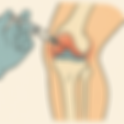
Gel knee injections, often known as hyaluronic acid injections or more colloquially as "rooster comb injections," have become a popular treatment for knee pain. These injections help by adding thick fluid to your knee joint. This can make it easier to move and lessen pain. However, like any medical procedure, they can come with some discomfort. Here's how to manage that discomfort effectively. Understanding Gel Knee Injections Gel knee injections are designed to help those suffering from osteoarthritis or other knee-related issues. They use a gel-like substance and inject it into the knee joint. This can help make the knee more comfortable and move better. It can also lessen pain. Types of Gel Injections for Knees Overview of different types, including rooster comb injections and visco injections, as well as insights on the best knee gel injections available. Hyaluronic Acid Injections: These are the most common and are derived from rooster combs, hence the nickname "rooster shot". Visco Injection: Another name for gel injections, focusing on the viscosity that helps the knee joint. Newer Injections: Some patients may opt for newer formulations that promise longer relief, sometimes up to 3 years. How Long Do Gel Knee Injections Last? One of the most frequently asked questions is, "How long do knee gel injections last?". Relief can last from a few months to more than a year. It depends on the person and the product they use. Some newer injections promise relief for up to three years. Frequency of Injections People often wonder, "How often can you get gel shots in your knee?" Typically, these injections can be administered every six months, but it's important to follow your doctor's recommendations. Overuse can lead to diminishing returns and increased discomfort. Managing Side Effects While gel injections can be very effective, they are not without their side effects. Common issues of gel knee injections side effects, including potential pain and swelling at the injection site.Immediate Post-Injection Care Rest: It's advised to rest your knee for at least 24 hours following the injection. Ice: Apply an ice pack to the knee to reduce swelling and pain. Elevation: Elevating your knee can help reduce swelling. Exercise After Knee Gel Injection Light activity is encouraged after the initial recovery period. Gentle exercises, such as walking or cycling, can help maintain joint mobility without overstraining the knee. Always consult your healthcare provider before starting any exercise regimen post-injection. Are Knee Gel Injections Worth It? The effectiveness of knee gel injections varies from person to person. For many, these injections provide significant pain relief and improve quality of life. However, others may experience minimal benefit. It's crucial to weigh the potential downsides, such as temporary discomfort, against the potential relief they offer. Downsides of Gel Knee Injections Short-Term Pain: Some patients report increased knee pain immediately following an injection, though this typically subsides within a few days. Infection Risk: As with any injection, there's a slight risk of infection. Allergic Reactions: Although rare, some people may experience allergic reactions to the injected material. Recovery Time and Expectations: FAQ Gel injection in knee recovery time can vary. Generally, patients can expect to resume normal activities within a few days. However, full benefits might take a couple of weeks to become evident. Knee Pain Worse After Gel Injection? It’s not uncommon to experience some worsening of knee pain right after the injection. This is usually temporary. If the pain persists, it's essential to consult your doctor. Can You Walk After Gel Injection in Knee? Yes, walking is usually encouraged, but it's important to avoid strenuous activities until any initial discomfort has subsided. Many people wear knee brace to provide good support while walking. Comparing With Other Injections Some patients wonder about the effectiveness of gel injections compared to other types of knee injections, such as cortisone shots. Cortisone vs. Gel Injections Cortisone shots are another common treatment for knee pain. They are known for their fast-acting relief, but the effects are often short-lived compared to gel injections. In some cases, you might need a cortisone shot after a gel injection, but this should be discussed with your healthcare provider. What Is the Most Effective Knee Injection? The most effective gel shots for knee varies depending on individual needs and responses. Some people think gel injections give better long-term relief. Others do better with cortisone or different treatments. Conclusion Gel knee injections can be a valuable tool in managing knee pain, but they require careful management of any associated discomfort. By understanding what to expect and how to manage side effects, you can make the most of your treatment. Always consult with your healthcare provider to determine the best course of action for your specific condition. Remember, while gel shots for knee pain can provide significant relief, they are just one part of a comprehensive knee pain management strategy. Combining them with physical therapy, lifestyle changes, and other treatments can help you achieve the best results.
- Do You Wear Socks With Barefoot Shoes?
You've finally traded cushioned sneakers for minimalist footwear, enjoying the freedom of a wide toe box. But as you get dressed, a question arises: does slipping on socks count as "cheating"? Beginners often ask do you wear socks with barefoot shoes or if the lifestyle requires going skin-to-insole. They also wonder about wearing socks without shoes at home and how that compares to slipping on minimalist footwear. Rest easy, because the answer is a resounding yes. In practice, going completely sockless often turns footwear into a bacteria trap while increasing friction. A strategic layer acts as a hygienic filter, catching sweat so your shoes don't have to. The challenge is preserving proprioception---your brain's ability to feel the ground. Thick fabrics can mute this feedback, so the goal is to maintain the barefoot experience without sacrificing comfort. Key Takeaways : Embrace Comfort and Freedom with the Right Socks Wearing socks with barefoot shoes can enhance comfort and hygiene without sacrificing the natural feel of minimalist footwear. Choose silver-infused toe socks for better foot health. They help keep your feet dry and reduce odors. These socks let your toes move freely and feel the ground while staying fresh. Why Your Shoes Need a 'Filter': The Hygiene and Odor Reality Wearing no socks may seem very natural, but it can cause some problems in your social life. Even if you're not running a marathon, your feet can sweat about half a cup each day. This happens just from walking around the office or grocery store. Think of a good pair of socks as a necessary filter rather than a barrier to the ground. Their main job is to catch moisture before it gets into your new shoes. They act as a shield that keeps the inside clean and fresh. This is doubly important because many minimalist designs strip away the heavy, chemically treated linings found in conventional sneakers. Without those synthetic layers, sweat sinks directly into raw leather or mesh, creating a perfect breeding ground for bacteria. Once that buildup creates a deep-set odor in unlined footwear, it is notoriously difficult to remove. It is important to keep your shoes clean from bacteria. However, wearing the wrong type of sock can make your shoes less effective. While hygiene is vital, you must ensure your socks aren't acting like straitjackets for your toes. The 'Mitten vs. Glove' Rule: Why Traditional Socks Kill Toe Splay You bought barefoot shoes because they have a wide toe box. However, wearing regular tube socks in them feels like holding back a fast car. Most conventional socks taper significantly at the end, effectively squeezing your toes together like a tight mitten. This elastic tension pushes your foot back into the pointed shape, even though your new shoes allow for more freedom. To get the full benefit of minimalist footwear, you need to preserve "toe splay." This is simply your foot's ability to fan out upon impact, acting as a natural shock absorber and stabilizer. When a tight sock restricts this movement, you lose that wide base of support, making you feel less stable even on flat ground. If your toes can't spread, the shoe's design can't do its job. Switching to anatomical socks---often called toe socks---solves this by sheathing each toe individually, much like a glove. This design stops side pressure on the front of your foot. It is important if you wear shoes like Vibram FiveFingers. Even in standard wide-box sneakers, these socks ensure your toes remain independent and aligned rather than bunched together. Before you buy a whole new wardrobe, check your current socks for these warning signs of restriction: Indentations: Deep elastic marks left on the skin after removal. Overlap: Your pinky toe is being pulled under or over its neighbor. Fabric Tension: The material feels drum-tight across your toes when you stand up. With your toes free to move, the next priority is the fabric touching your skin. The material that works for a thick sneaker is often a disaster in a minimal shoe. Material Matters: Why Cotton is Your Enemy and Silver Fiber is Your Friend Your feet have about 250,000 sweat glands. Without the thick padding of regular sneakers, cotton socks can become a problem because they soak up sweat quickly. Cotton functions like a sponge, trapping dampness against the skin, which softens the tissue and dramatically increases friction. This wet environment is the primary cause of hot spots and blisters, making your choice of fabric just as important as the shoe itself. Using silver fiber socks is a game changer. They use silver's natural ability to fight bacteria that cause odors. This helps keep your feet dry. Silver fiber helps take moisture off the skin. This helps it dry quickly and stops sweat from collecting and causing issues. Furthermore, these socks can help regulate temperature, ensuring that your feet remain comfortable during various activities. Common materials perform differently inside a minimalist shoe: Cotton: High moisture absorption and slow drying speed. Verdict: Avoid to prevent blisters. Silver Fiber: Excellent odor resistance and moisture-wicking capabilities. Verdict: Best for overall foot health. Synthetics: Fast-drying and durable, though can retain odors. Verdict: Best for high-sweat workouts. Even great materials won’t help if your socks are visible when you don’t want them to be. This leads many people to think about not wearing socks. Grounding Benefits: Connecting with the Earth Through Silver-Infused Toe Socks and Barefoot Shoes Wearing barefoot shoes helps your feet feel free and lets you connect with the ground. Grounding, also known as earthing, means walking barefoot on the ground. It helps you connect with the Earth's energy. This practice can improve your physical and mental health in many ways. Silver-infused toe socks improve your experience by keeping things clean and comfortable. They let your toes spread out naturally. Wearing silver-infused toe socks with your barefoot shoes helps keep your feet fresh and dry. They also improve your connection to the ground. These socks help maintain the natural movement of your feet, ensuring that you receive sensory feedback from the ground surface, which can improve balance, stability, and proprioception. Silver has special qualities that help fight odors. It may also help with blood flow and reduce swelling, which can improve foot health. Using silver-infused toe socks with your minimalist shoes can help you connect better with your surroundings. It also boosts the advantages of walking without shoes. Barefoot shoes and silver-infused toe socks help you walk better and feel healthier. So, lace up your minimalist footwear, slip on those toe socks, and take a step towards a more grounded and vibrant you. The Stealth Look: When to Use Liners or Go Truly Barefoot For summer days or casual offices, no-show socks are great for wearing with minimalist sneakers. They help give a "bare ankle" look while still being comfortable. Unlike standard liners that slip off the heel, look for options specifically designed for "wide toe boxes" so the fabric does not snap back and cramp your toes. This invisible barrier protects your shoes from sweat and your skin from rubbing while maintaining a clean, stylish silhouette. Deciding between going sockless versus wearing liners ultimately depends on your skin's current conditioning. While the goal might be true barefoot movement, walking miles immediately without protection invites painful abrasions. Your feet need time to get used to shoes. This is a normal process where the skin becomes thicker and tougher. It happens because of rubbing against the inside of the shoe. Over time, this helps build a protective layer. At home, wearing socks without shoes can feel cozy for short stints, but for longer days in minimalist footwear, well-fitted liners or toe socks offer better moisture control and protection. Treat this transition like a workout plan by starting with short, low-stakes outings like a quick trip to the mailbox. To prevent friction and blisters, try using anti-chafe balm on spots that rub a lot, like the heel. This is especially helpful when you first start. You can wear socks with barefoot shoes, use invisible liners, or not wear socks at all. It's important to have a plan to handle sweat and protect your feet for a comfortable experience. Post-Walk Protocol: Cleaning Your Shoes After Sockless Adventures Going sockless with barefoot shoes feels liberating, but it also turns your footwear into a trap for sweat. Minimalist shoes use special glues that can be affected by heat. Putting them in a hot washing machine can damage them. High temperatures can melt adhesives and permanently warp the flat soles you need. Keep your shoes fresh without ruining them by following this gentle protocol: Remove the Insoles: Wash these separately since they act as the primary sponge for moisture. Cold Water Only: Hand wash with mild soap or use a delicate, cold machine cycle. Air Dry Shade: Dry them in a breezy spot away from direct sunlight or radiators. For daily maintenance, slip cedar shoe trees or charcoal bags inside overnight to naturally absorb humidity. Taking care of your shoes keeps them in good shape. This helps you stay comfortable on your journey to healthier feet, whether you wear socks with your barefoot shoes or not. Conclusion: Your Roadmap to Comfortable, Healthy Feet You no longer need to guess whether to wear socks with barefoot shoes. Instead of worrying about breaking "purist" rules, simply focus on what keeps your feet dry and responsive. Your socks should keep you warm for your commute or dry during a workout. They should feel like a soft second skin, not tight and uncomfortable. To start, pick up a single pair of silver-infused toe socks. This small investment helps improve cleanliness and comfort. It lets your feet enjoy barefoot shoes while keeping your toes free. Trust your comfort over dogma; if your feet feel free and fresh, you are doing it right. Connect with the Earth to enjoy better health and comfort while walking. Choose the right shoes and socks for a more pleasant experience. Contact BCI today to explore wholesale opportunities and join the growing trend of consumers embracing the comfort and health benefits of silver-infused toe socks! FAQ: Common Questions About Wearing Socks with Barefoot Shoes Do you wear socks with barefoot shoes? Yes, you can definitely wear socks with barefoot shoes. In fact, wearing the right type of socks can enhance comfort and hygiene while ensuring you maintain the barefoot experience. What are the benefits of BCI X-Static silver-infused toe socks? BCI X-Static silver-infused toe socks have many benefits. They keep your feet dry, resist odors, and help control temperature. They help keep your feet dry and comfortable, promoting overall foot health when wearing barefoot shoes. Can you wear socks with barefoot shoes? Absolutely! When opting for barefoot or minimalist shoes, it's important to choose breathable and moisture-wicking socks, such as silver-infused toe socks, to help manage sweat and odor. Do you wear socks with minimalist shoes? While it's not necessary to wear socks with minimalist shoes, many people find that wearing socks enhances comfort and helps keep the shoes clean. It's best to use socks that promote toe splay and allow your feet to breathe, like BCI X-Static silver-infused toe socks. Why are cotton socks not ideal for barefoot shoes? Cotton socks absorb moisture and retain it against your skin, which can cause blisters and discomfort. Instead, you should choose socks like silver-infused toe socks that wick moisture away while providing antimicrobial properties. Medically reviewed by Dr. Emily Carter, DPT Licensed physical therapist specializing in orthopedic rehabilitation and mobility support. Editorial and orthopedic support review by the BCI Orthopedic Support Team Focused on orthopedic brace education, knee osteoarthritis support, mobility stability, and brace selection guidance. Last reviewed: May 2026 This article is for educational purposes only and does not replace professional medical advice, diagnosis, or treatment.
- Running Socks: A Guide to Comfort and Performance
You likely spent time researching the perfect $200 sneakers, yet a mile into your jog, your heel stings. Often, the problem isn't the shoe, but the basic cotton layer hidden inside. Good running socks act as the engine room of foot comfort, protecting you from the damp, heavy feeling that ruins a workout. With the best running socks, that distraction fades into the background. Blisters usually stem from the "Friction Triangle"---a mix of moisture, heat, and rubbing. Common running wisdom confirms that wet skin softens and tears easily. While cotton acts like a sponge holding moisture, technical fabrics break this cycle by pulling sweat away from your foot. That’s why moisture wicking running socks are a smart upgrade when you start increasing mileage. Ultimately, deciding what socks to wear with running shoes comes down to the "Invisible Sock Rule." If you finish a run and realize you completely forgot about your gear, those running socks worked perfectly. Summary Choosing the right running socks is essential for comfort and performance. Opt for moisture-wicking materials like BCI silver-infused socks to keep your feet dry and reduce blisters. Consider anatomical fits and seamless designs for optimal protection. Whether for long-distance runs, summer workouts, or the best marathon running socks, the right, recommended running socks make all the difference. Why Your Cotton Socks Are Acting Like a Wet Sponge Most of us reach for those standard white gym socks out of habit, but on a run, that cotton fabric becomes your worst enemy. Cotton absorbs a lot of moisture. It takes in sweat from your feet and makes the inside of your shoe wet and heavy. Instead of drying out, the material clumps up and increases friction, leading to painful blisters. This is where advanced moisture-wicking materials, such as silver fiber, change the game. Silver fiber is great for serious runners. It helps pull moisture away from your skin. It also fights germs, which reduces odor and keeps your feet feeling fresh. Think of the fabric as many small straws that pull sweat away from your skin and move it to the outside of the sock. By transporting moisture to the surface for evaporation, your feet stay drier, and the skin remains tougher against rubbing. In short, moisture wicking running socks help keep friction at bay. When ditching cotton, focusing on innovative materials can significantly enhance your running experience. Here are your top choices: Silver Fiber : The best moisture-wicking material for running socks, it keeps feet dry while combatting odor. Its natural properties make it particularly beneficial for long-distance runners. Synthetics (Polyester/Nylon): Ideal for hot days; they dry incredibly fast and are highly durable. Merino Wool: Great for temperature regulation; it keeps feet warm in winter and cool in summer while naturally fighting odors. By making the shift to silver fiber running socks, you'll enjoy optimal moisture control and comfort during your runs, ensuring you can focus on performance without the distraction of damp, uncomfortable feet. These performance socks for running also manage odor and stay soft mile after mile. Choosing the Right Cushioning: From 'Ultra-Light' to 'Max Shield' Your sock choice has a direct relationship with how your shoes fit, effectively acting as a volume dial for your footwear. If you prefer a snug performance fit, shoving thick max cushion running socks into those shoes might squeeze your feet, cutting off circulation and causing numbness. If your shoes feel a little loose after wearing them, try thicker socks. They can help keep your foot from moving around and stop your toes from hitting the front of the shoes. Modern cushioned running socks use high-density padding specifically targeted at high-impact zones like the heel and the ball of the foot rather than making the entire sock bulky. If you want the best cushioned running socks or the best padded socks for running, look for targeted padding that doesn’t pack out over time. This design helps reduce the impact of walking on hard surfaces. It keeps your foot comfortable and does not change the fit of your shoe much. You get the necessary protection of a heavy-duty sock without the overwhelming heat or weight that usually comes with generic thick running socks. Temperature often dictates the padding you need, making ultra-thin options the best summer running socks for avoiding overheating. Light weight running socks for men and women minimize fabric bulk to maximize airflow, creating a sensation that is almost invisible inside the shoe. These shoes protect your feet less, but they can be better for hot runs. They help keep your feet dry and comfortable. Finding the perfect balance between cushion and breathability is useless, however, if the sock itself creates friction points. To prevent bunching, the sock must mirror the actual contours of your foot. The Secret to No-Rub Toes: Seamless Construction and Anatomical Fit Unlike regular socks that are the same shape, good running socks are made for your left and right feet. This design isn't just for show. It gets rid of the extra fabric that often gathers by your pinky toe in regular socks. The sock is designed to fit your foot's shape. This helps fill in gaps where rubbing occurs. It prevents blisters from forming. Many runners consider these features hallmarks of the best anti blister running socks . To further combat blister formation, consider using toe socks, which are designed to wrap each toe individually. This unique design minimizes the chances of rubbing between toes, which is a common source of blisters. Additionally, toe socks help wick moisture away from your skin, keeping your feet drier and reducing the risk of irritation and blisters from sweat. Another common pain point is the thick ridge of thread found across the toes of bargain packs, which grinds against your skin with every step. Modern options utilize seamless toe construction advantages to flatten this area, acting as your best defense against rubbing and helping you learn how to prevent black toenails. Midfoot arch support bands stop the sock from slipping into your shoe. They work like a seatbelt, keeping the fabric tight around your foot. When testing a new pair, the fabric should feel like a second skin rather than a loose covering. Look for these signs of a perfect fit: The heel cup sits perfectly over your heel bone without stretching. The toe box is smooth with no loose corners or bunching. The arch band provides noticeable support without pinching. With the fit dialed in, you are ready to match your gear to your specific terrain. Gear Up for Your Goal: Trail, Road, and Recovery Where you run dictates how much coverage and protection you actually need. While low-cut tabs are popular for keeping cool on neighborhood loops, heading off-road requires taller crew running socks or dedicated mens trail running socks . These protect your ankles from pebbles, dirt, and sharp plants that can get into your shoes. As your mileage increases, you might wonder if premium options like Balega socks are worth it compared to generic brands? For runners seeking the best marathon running socks (often called marathon socks), the investment ensures the cushioning doesn't flatten out or harden halfway through a long race. Match your choice to your environment: Road/Track: No-show, running ankle socks, or low-cut tabs for maximum airflow. Trail: Crew height or long running socks to block debris and prevent scratches. Winter: Merino wool blends for warmth without wetness. Your gear strategy shouldn't stop at the finish line. Tight-fitting socks that squeeze firmly at the ankle and loosen up the calf can significantly reduce post-run soreness. Graduated compression helps your legs recover by promoting blood flow back to your heart. This makes your legs feel lighter and prepares you for your next workout. Performance running socks are designed to improve comfort by managing moisture, reducing friction, and adding cushioning where runners need it most. These features help prevent blisters and support better performance during training or long runs. Are you a retailer or distributor looking to offer performance socks to your customers? BCI offers wholesale partnerships for businesses interested in carrying our performance products. 👉 Contact BCI to explore wholesale opportunities Final Check: The 'Cost-Per-Mile' Investment and Care Tips Swapping basic cotton for recommended running socks is an immediate investment in your foot health. While the upfront price is higher, think about the "cost-per-mile." A high-quality pair lasts longer than cheap multipacks and prevents the blisters that sideline you. Whether you are shopping for the best running socks for men, the best womens running socks, the best socks for marathon runners, or simply the best running socks overall, proper gear pays off with every pain-free step. To protect that investment and double the life of your socks, follow two simple rules on laundry day: Do Not use fabric softener (it clogs the moisture-wicking fibers). Do Not use high heat in the dryer (it destroys elasticity). Start with a three-pair rotation so you always have fresh gear ready. Learning how to select professional athletic footgear ultimately leads to one specific sensation: nothing at all. The real test of success is the "Invisible Sock" rule. When you finish a run and don’t think about your feet at all, you know you have succeeded. Frequently Asked Questions (FAQ) 1. What are the best long distance running socks? The best long-distance running socks provide moisture-wicking properties, cushioning, and a comfortable fit to prevent blisters. Look for socks made from advanced materials like BCI silver-infused fibers, which keep your feet dry and fresh during extended runs. 2. Are Balega socks worth it? Yes, Balega socks are worth the investment for serious runners. They are designed with moisture-wicking technology and cushioning features that enhance comfort and performance, making them a top choice for marathon runners who want reliable marathon socks. 3. What socks should I wear with running shoes? Opt for specialized running socks made from moisture-wicking materials to ensure comfort and reduce the risk of blisters. Socks that fit the shape of your foot and have no seams, like toe socks or BCI silver socks , help reduce rubbing and keep your feet safe. Depending on preference and terrain, running ankle socks, no-shows, or crew styles can all work well. 4. What are the benefits of wearing padded running socks? Padded running socks offer extra cushioning, which absorbs impact during runs and enhances comfort. They are particularly useful for long-distance runners seeking to prevent foot fatigue and blisters. Many consider these among the best padded socks for running when training on hard surfaces. 5. How can I prevent blisters when running? To prevent blisters, choose moisture-wicking socks that fit well and keep your feet dry. BCI silver-infused socks are a great choice. They keep your feet dry and help prevent friction, which lowers the risk of blisters while you run. 6. What are the best anti blister running socks? The best anti blister running socks are made from moisture-wicking materials like BCI silver fiber and feature seamless designs or anatomical fits that minimize friction, keeping your feet comfortable and blister-free. 7. Are there any specific socks recommended for summer running? For summer running, look for lightweight, breathable socks that wick moisture effectively. BCI silver-infused socks are a great option. They keep your feet cool and dry. They also help control moisture and reduce odor. Many athletes consider these the best summer running socks for hot, humid conditions.
- Guide To The Best Barefoot Socks For Natural Movement
Ever get home and feel your toes sigh with relief the second you peel off your socks? That "squeezed" sensation usually means traditional fabrics are compressing your feet. While we often focus on shoe fit, standard sock designs are actually a primary cause of daily restriction. Think of the difference between mittens and gloves. Standard socks bunch toes together, but the best barefoot socks act like gloves to enable "toe splay"---the natural spreading of your toes. In practice, this separation creates a wider base for better balance. Even minimalist footwear accessories fail if the layer closest to your skin is too tight. Using wide shoes with restrictive socks negates the toe splay benefits entirely. Finding the right anatomical fit ensures your feet move naturally. Summary Choosing the best barefoot socks enhances foot health by promoting natural toe splay and improving balance. Look for socks that fit the shape of your feet. Choose ones made from strong materials like merino wool or dyneema. These materials help keep your feet dry and last a long time. Consider BCI X-Static silver-infused toe socks for added antimicrobial protection and freshness. If you’re experimenting with socks to run in without shoes on safe, forgiving surfaces, prioritize durable weaves and light grip so you maintain ground feel while protecting the skin. The Problem With Symmetry: Why Your Socks Don't Look Like Your Feet Most clothing is tailored to fit the body's curves, yet we accept that socks come in symmetrical tubes. Your big toe is the longest point, tapering down to the pinky, but standard socks are usually knit with a centered point. When you wear it, the elastic pulls your big toe towards the middle. It works like a gentle rubber band that helps stop your toes from spreading out too much. High-quality gear solves this with anatomically shaped socks. These feature specific left and right designs that follow the actual slope of your toes. By mirroring your foot, the fabric stays relaxed across the front rather than stretching tight. You get protection without the low-grade compression that pushes toes out of alignment. How can you tell if your current drawer is full of restrictive footwear? Take a close look at your socks while wearing them and check for these warning signs: The Pointed Tip: The sock forms a cone shape in the center rather than hugging the big toe. Compressed Pinky: The fabric pulls tight against the smallest toe, curling it under. Tension Lines: You can see horizontal stretch marks across the ball of the foot. Beyond shape, the texture inside the sock changes how your foot interacts with the ground. Traditional socks usually have a thick seam at the toes. This can be a small bother in padded sneakers, but it can cause pain in flexible shoes. Seamless toe construction benefits you by eliminating these ridges to prevent blisters. This seamless design is a hallmark of high-quality wide toe box socks. With the shape defined, the next decision is between the two main styles. Toe Socks vs. Wide-Toe-Box: Choosing the Right 'Glove' for Your Feet This choice parallels selecting winter wear for your hands. Standard wide socks function like mittens, keeping your toes together in a unified space, while toe socks act like gloves, separating each digit. Both options respect your foot's natural width, but they offer very different sensory experiences inside your shoes. Five-toe socks offer distinct mechanical benefits by wrapping every toe in its own fabric sleeve. This construction completely eliminates skin-on-skin contact, making five-toe socks for hiking a top choice for preventing blisters between the toes during long treks. Also, keeping the big toe separate helps it hold better. This improves your balance and lets your toes feel the ground better by allowing them to grip the surface on their own. Conversely, many people find the sensation of material between their toes distracting or difficult to manage during a rush. Anatomical socks for barefoot shoes that use a single wide pocket provide the necessary freedom for toe splay without the "glove" feeling. This style is great if you want the health benefits of moving freely but also like the feel and comfort of regular hosiery. When weighing toe socks vs standard socks with a wide box, consider your daily priorities: Blister Prevention: Toe socks excel here by stopping inter-digital friction completely. Convenience: Wide-box socks are significantly faster to put on and take off. Shoe Compatibility: Toe socks are mandatory for articulated shoes like Vibram FiveFingers, while either style fits standard wide-box footwear. Regardless of whether you choose the glove or the mitten approach, the shape means nothing if the fabric leaves your feet damp and chafed. The best design in the world fails if it uses cheap cotton, highlighting the critical role of performance fibers. Materials That Move With You: Why Merino and Silver Fiber Rule the Minimalist World Selecting the right fabric is crucial for maximizing comfort and performance. Merino wool and silver-infused fibers stand out as the top choices for minimalist socks. Merino wool and silver fibers excel in moisture-wicking and temperature regulation, keeping your feet dry and comfortable throughout the day. Silver fibers in BCI X-Static toe socks help fight germs. This reduces odor and keeps your feet smelling fresh. These materials are comfortable, long-lasting, and good for your feet. They help your feet move naturally and easily. Your Transition Plan: How to Get Used to 'Individual Toes' and Keep Them Fresh Transitioning from restrictive fabrics to best barefoot socks allows for independent movement, but getting used to the sensation takes time. The biggest hurdle for beginners is often getting them on quickly. Use this "Fast Fit" technique to slide into your socks easily: Bunch the sock down completely to the toes before inserting your foot. Guide the big toe into its pocket first, then wiggle the others into their slots. Pull the heel up last to smooth the fabric without overstretching. To keep your investment lasting, wash on cool cycles and air dry---high heat destroys the elastic needed for that perfect fit. Whether you choose non-slip grip socks for yoga or wool liners for hiking, the ultimate test is invisibility. When you go all day without adjusting your feet or feeling a squeeze, you will know you have successfully made the switch. Frequently Asked Questions (FAQ) What are toe sock shoes, and how do they benefit foot health? Toe sock shoes are designed to accommodate the natural shape of your foot, allowing for toe splay and enhancing balance and stability. They provide a more comfortable fit compared to traditional socks, promoting better foot health during various activities. What makes silver fiber socks a superior choice for foot health? Silver fiber socks are a superior choice for foot health due to their natural antimicrobial properties. These socks help reduce bacterial growth and odor, keeping your feet fresher for longer. The silver-infused fibers also enhance moisture-wicking capabilities, ensuring your feet stay dry and comfortable throughout the day. With these benefits, silver fiber socks not only improve foot hygiene but also support a more enjoyable and healthy barefoot experience. What are the best socks for barefoot shoes? The best socks for barefoot shoes are those that allow for natural toe movement, such as anatomically shaped socks or toe socks. These designs help maintain balance and comfort while providing optimal breathability. Which socks are considered the best barefoot socks? The best barefoot socks are usually those made from high-performance materials that prevent blisters and enhance ground feel. Look for options that offer moisture-wicking properties, support natural toe splay, and have seamless designs for maximum comfort. Why should I consider BCI X-Static silver-infused toe socks? BCI X-Static silver-infused toe socks combine the benefits of toe separation with the antimicrobial properties of silver. These socks help keep your feet fresh and odor-free while enhancing moisture control. This new technology keeps your toes safe and prevents rubbing. It's a great option for anyone moving to a barefoot style. Medically reviewed by Emily Johnson, PTA Licensed physical therapist specializing in orthopedic rehabilitation and mobility support. Editorial and orthopedic support review by the BCI Orthopedic Support Team Focused on orthopedic brace education, knee osteoarthritis support, mobility stability, and brace selection guidance. Last reviewed: May 2026 This article is for educational purposes only and does not replace professional medical advice, diagnosis, or treatment.
- Lower Back Tightness: Causes, Relief, and Prevention
You reach down to tie your shoes and realize your back feels less like a flexible spine and more like a rusted gate hinge. While that sensation of being 'locked up' creates immediate worry, it rarely means you have sustained a serious injury. Instead, this common lower back tightness — the tight feeling in back many people notice when the lower back feels tight — is often just your body's way of hitting the pause button. Most people assume a stiff back or stiff lower spine means something is broken, but physical therapy standards describe this reaction as 'protective guarding.' Your body acts like a car alarm. When your muscles feel weak or unsteady, they tighten up. This creates protection for your spine. This can feel like stiff back pain, but it is actually a safety measure gone into overdrive. Fortunately, this defensive state is temporary. Since the lower back feels tight often due to tension pulling from surrounding areas like the hips and tense muscles in the lower back, showing your nervous system that it is safe to relax can restore your range of motion. Identifying the root of this stiffness is the first step toward moving freely again, especially if you're wondering why is my lower back so stiff or why is my back so tight. Summary Lower back tightness is a common issue often caused by muscle tension, poor posture, or inactivity. Understanding why your back feels stiff is essential for addressing discomfort. Gentle movements, proper ergonomics, and supportive tools like the BCI back brace can help alleviate pain and restore mobility. If you notice lower back stiffness after sitting or keep asking why is my back so tense, prioritize regular breaks and stretches to promote a healthier spine. These simple strategies are a practical foundation for how to treat a stiff lower back at home. The Car Alarm Effect: Why Your Muscles Are Tense Without an Injury Sometimes you haven't lifted anything heavy or twisted awkwardly, yet you still feel locked up. This happens because stiff back muscles are often a software issue rather than a hardware problem. If you've wondered 'why is my back so tense' without an obvious cause, your muscles are essentially receiving a continuous 'on' signal from your brain, keeping them clenched even when you consciously want to relax. Think of your nervous system like a sensitive car alarm. Its main job is to protect. When it senses danger, like staying still for too long, it tightens the muscles to act as a splint. The tension you feel is not always bad. It is your body's warning to stop you from moving in a way that feels unsafe to your brain. Staying seated at a desk for hours is a prime trigger for this threat response. Your brain sees no movement and less blood flow as a problem. This makes the muscles in your lower back tense up to help support your spine. Before trying to forcefully stretch it out, you can often lower the volume on this alarm simply by taking slow, deep breaths, which signals to your nervous system that you are safe to let go. While your brain controls the tension dial, mechanical forces are also at play elsewhere in the body. If you are wondering, 'why does my lower back get stiff' even when your mind is calm, the answer might actually lie lower down, in a silent tug-of-war happening with your hips. The Tug-of-War: How Your Hips and Hamstrings Pull on Your Spine Pain in your lower back is like a flag in a tug-of-war game. It feels the stress, but the real problem comes from your hips and legs. This is 'referred tightness,' where the root cause of discomfort is located inches away from the actual ache. When the strong muscles around your pelvis become tight, they pull your spine out of place. This makes the lower back muscles work harder to keep you standing straight. That whole-chain strain explains what causes lower back tightness and why a stiff back after sitting is so common. Sitting for a long time can cause a problem. It keeps your hips bent. This makes the Psoas muscle, which connects your thigh to your spine, get shorter. When you stand up, this tight muscle pulls your pelvis forward. It makes your lower back arch and pushes on your joints. The Quadratus Lumborum (QL) is a deep muscle in your side that often needs support. To feel better, it’s important to focus on these three main causes: The Psoas (Hip Flexor): Drags the lower spine forward into an excessive arch. The Glutes (Butt Muscles): Become inactive from sitting, forcing the back to compensate. The Hamstrings (Back of Thighs): Tug the pelvis backward, flattening the spine's natural curve. To help your hamstrings move better, psoas exercises can be helpful. It is important to treat the whole area, not just the spot that hurts. With the hidden pullers identified, we can now focus on the specific movements designed to slacken the rope and ease stiff lower back muscles. 3 Essential Movements to Release the 'Clench' and Restore Mobility Knowing why your back hurts is useful, but knowing how to loosen tight lower back allows you to actually get through your day. You don't need fancy gym gear or a lot of time to get results. You just need to break the tension that keeps your spine stuck before it becomes a habit. These gentle resets can also calm stiff lower back pain without provoking irritated tissues. Think of your spine like a stiff bicycle chain that hasn't moved in a while. Forcefully pulling it — like attempting deep yoga poses before you are warmed up — can cause more irritation than relief. Instead, the goal is to gently 'wiggle' the links and create subtle space between the vertebrae. This process, often called decompression, allows fluids to move back into the discs and effectively greases the joints. Start with these three reliable moves to effectively reset your structure: The Pelvic Tilt (The 'Rocking Chair'): Lying on your back with knees bent, gently rock your hips to flatten your spine against the floor. This teaches you how to improve pelvic posture while safely massaging the lumbar muscles. The Psoas Lunge (The 'Kneeling Bow'): A gentle kneeling stretch that opens the front of the hips, stopping the 'tug-of-war' from the front. The Kitchen Counter Lean: Rest your hands on a sturdy counter and walk your feet back until your spine lengthens, offering one of the most accessible decompression stretches available. Consistency beats intensity every time when managing back health. You don't need to sweat; you just need to signal to your nervous system that it is safe to let go of the tension. Aim for a 'stiffness reset' by performing these movements for just five minutes in the morning or right after a long shift. This simple routine is a practical start for how to treat a stiff lower back and reduce lower back stiffness day to day. While movement restores function, sometimes the ache persists simply because of lingering inflammation or a poor desk setup. To help your recovery, we should consider outside tools. This includes things like temperature therapy and adjusting your chair. These can help keep pain away between your stretching sessions . Heating Pads, Ice, and Ergonomics: Daily Tools for Spine Health Confusion often strikes when deciding between temperature therapies. Generally, cold calms fresh injuries, while warmth best treats the dull ache of tension. Understanding the choice between heating pads and ice packs helps you 'defrost' tight muscles, much like warming up a stiff car engine. This can soothe tense muscles in back and reduce lower back pain tense muscles that build up over the day. Your environment plays a massive role in recovery alongside temperature. You don't need fancy tools for a better desk setup. A rolled-up towel behind your lower back can give you support right away, and it costs nothing. Static posture is often the silent culprit behind chronic tension. To combat stiffness after sitting, rely on 'movement snacks' — brief hourly breaks — rather than one intense gym session. These interruptions prevent the 'cementing' effect that makes you wonder why is my back so tight in the morning and help avoid lower back stiffness after sitting. Most daily aches respond well to these environmental shifts. If using heat and improving your posture don't help, you need to know the difference between normal tightness and signs of something serious. When to Call the Pros: Distinguishing Between Tightness and Trouble You now recognize that extreme lower back stiffness is often just a request for movement rather than a sign of permanent damage. If you know how your hips and daily habits cause tension, you can stop worrying about it and take care of your spine better. While most tightness resolves with gentle mobility, knowing when to see a doctor is vital. If you experience sudden leg weakness or sciatic nerve compression symptoms like tingling and numbness, pause your home routine. Identifying these red flags ensures you can distinguish between typical muscle strain and herniated disc symptoms that require professional care. Seek medical guidance sooner if you notice persistent lower back extreme stiffness that doesn't ease with rest. Your goal is confidence in your body's resilience. Listen to signals early and prioritize consistent motion over rigid perfection. With these tools, you are building a future defined not by limitation, but by sustainable ease of movement. Frequently Asked Questions (FAQ) Why is my back so tense? Back tension can be caused by various factors, including poor posture , prolonged sitting, and muscle strain. It often results from your body's protective response to perceived threats, leading to muscle tightness and tense muscles in back. What causes lower back tightness? Lower back tightness can stem from muscle fatigue, inactivity, or misalignment caused by previous injuries or poor ergonomics during daily activities. Sometimes one-sided symptoms appear, such as right lower back tightness. How to treat a stiff lower back? Treating a stiff lower back often involves gentle stretching, strengthening exercises, and maintaining proper posture. Short 'movement snacks,' heat for tension, and ergonomic adjustments can all help. What can I do for stiff lower back pain? Incorporate movements that promote mobility, such as pelvic tilts and targeted stretches for the hips and hamstrings. You might want to use a back support device like the BCI back brace. It can help ease pain and support your lower back. Addressing stiff lower back muscles can reduce strain on the spine. Why does my lower back get stiff after sitting? Sitting for extended periods can shorten certain muscles and alter your spinal alignment, leading to stiffness. Remember to take regular breaks and stretch to maintain mobility and prevent a stiff back after sitting. Why is my back so tight in the morning? Morning tightness can happen if you stay in one position while you sleep or don’t move much at night. This can make your body feel stiff when you wake up. What is the best method to loosen tight lower back muscles? To loosen tight lower back muscles, consider combining targeted stretches with supportive equipment like the BCI back brace for lower back pain , helping you maintain proper alignment and relieve discomfort. These simple drills demonstrate how to loosen tight lower back without overstraining. What should I do if I experience lower back extreme stiffness? If you feel very stiff, try to move gently. If it doesn't get better, talk to a doctor for advice and treatment. If symptoms feel like a very stiff lower back or very tight lower back muscles that do not improve, seek an evaluation to rule out more serious causes.
- The Ultimate Guide to CPT Code for Knee Brace Coverage Explained
The CPT code for knee braces varies depending on the type of brace prescribed. For accurate billing and insurance reimbursement, it’s crucial to consult your healthcare provider. Brands like BCI Orthopedic Braces offer comfortable, medical-grade supports for conditions such as knee osteoarthritis and ligament instability, ensuring you find the right brace with their online product guidance and matching quiz. Key Takeaways CPT codes for knee braces differ based on the type of brace. Always confirm codes with your healthcare provider for accurate billing. BCI Orthopedic Braces offers comfortable, medical-grade support. Medical necessity documentation is essential for insurance coverage. Understand the distinction between CPT and L-codes for billing clarity. You need a knee brace to recover. But a five-digit code can make the difference between getting it covered or paying $600. While most patients frantically search for the right CPT code for knee brace, insurance companies operate on strict logic that determines whether you pay out of pocket. Think of medical billing like a grocery store barcode. Just as a scanner identifies a specific product, providers use codes to tell insurers exactly what you received. Industry standards separate the service of fitting the device from the device itself. This can make billing more complicated. Navigating this system requires knowing the difference between standard "CPT" numbers and equipment-specific "L-codes." Your doctor must document the medical necessity for knee support to justify the cost. This distinction is the key to learning how to bill insurance for knee orthosis without facing a claim denial. Why Your 'Knee Brace CPT Code' Might Actually Be an 'L-Code' Many patients look for a "CPT code" because that is what is usually used for medical billing. However, insurance companies work differently when it comes to physical items. Think of your appointment in two distinct parts: the service and the stuff. A CPT code usually includes the service, which is the doctor's time and skill in looking at your injury. However, it often does not include the brace. If you only send in a code for the office visit, you might have to pay for the device yourself. This could happen because the insurance company may not know you took a product home. Billing departments use the Healthcare Common Procedure Coding System (HCPCS) to get coverage for equipment. They focus on codes called "L-codes." Distinguishing L-codes from CPT codes is vital because L-codes describe the physical product rather than the labor. The doctor’s note explains why you need the orthotics. The specific HCPCS Level II codes for knee support help the insurance company understand what you are using. They show the difference between a high-quality medical stabilizer and a simple sleeve from a drugstore. Even if you're searching for a CPT code for knee brace fitting or a CPT code for left knee brace, remember that the hardware itself is billed with an HCPCS L-code, while the fitting service may use CPT. Laterality is often shown with HCPCS modifiers like LT for left and RT for right. It does not use a separate CPT code. It's important to categorize the brace as separate Durable Medical Equipment (DME). This is because most health plans have a different budget for these items compared to your regular office visit copay. If the paperwork fails to satisfy Durable Medical Equipment reimbursement guidelines, the claim is often denied simply because the insurer cannot verify that the device meets medical standards. This information helps you find the specific codes that show what is covered, like the L1832 or L1833 codes. Decoding the L1832 and L1833: Prefabricated vs. Custom-Fitted Braces When you examine your Explanation of Benefits, you will likely see one of two codes for a standard hinged knee brace: L1832 or L1833. These numbers are not random. They show the insurance company how much work was done to make the device fit your leg. Both codes describe a "prefabricated" brace. This means it was made in a factory, not built by hand. The only difference is in the final adjustment. Insurance providers scrutinize prefabricated vs custom knee brace billing to ensure they aren't paying for professional expertise that wasn't provided. If you simply picked up a brace in a box and put it on yourself, that is considered "Off-the-Shelf" (OTS). If an orthotist or physical therapist heats the plastic, bends the hinges to fit your joint, or trims the straps to fit your body, the item becomes "Custom-Fitted." This distinction is critical because custom-fitting often triggers higher reimbursement levels, reflecting the provider's time and skill. Reviewing the hierarchy of these devices helps you spot potential billing errors and anticipate costs: L1820 (Knee Sleeve): A basic elastic support without rigid joints. Because this is essentially a "drugstore" item, the knee sleeve CPT code is frequently denied or capped at a very low reimbursement rate. L1832 (OTS Hinged Brace): A rigid brace designated as "Off-the-Shelf." It requires minimal self-adjustment and usually follows standard L1832 and L1833 coverage criteria. L1833 (Custom-Fitted Hinged Brace): The same base product as the L1832, but it requires substantial modification by a certified professional to be safe and effective. Just having the right code for the hardware doesn't guarantee payment, however. Your insurer's hinged knee brace medical policy also requires a valid medical reason for the prescription. The code on the product bag or shown on product page must match your medical records. If it does not, your claim will be denied, no matter how well the brace fits. The 'Why' Behind the 'What': Connecting ICD-10 Diagnosis to Your Knee Brace Even if your doctor selects the correct L-code for your brace, insurance will deny the claim without a valid reason for the prescription. This requirement---establishing medical necessity for knee support---serves as the bridge between your injury and the device. The L-code shows the specific device you get. The insurance company needs a diagnosis code, known as an ICD-10 code, to confirm that the brace is necessary for your recovery and not just a luxury. Specific diagnoses carry different "weight" in the eyes of an insurer. A general code for "knee pain" usually can't get approval for a costly custom brace. Providers need to provide specific ICD-10 codes for knee instability, osteoarthritis, or ligament tears to get coverage. If the diagnosis on your paperwork describes a minor sprain but the doctor orders a rigid brace designed for post-surgical protection, this mismatch often triggers an automatic rejection because the treatment appears excessive for the reported condition. Proactively asking your physician about their notes can save you from financial headaches later. To make a strong claim, it is important to show that you need medical equipment. You should write in your records that you cannot do daily activities without the brace. Making a clear record is the best way to protect yourself. After that, you can check what your insurance plan covers. Avoid the $600 Bill: How to Verify Your DME Benefits Before Your Appointment With the right codes, you should talk to your provider. They can help you find out what Durable Medical Equipment (DME) benefits you have. Many patients think that if a doctor gives them a device, their insurance will pay for all of it. But coverage for devices is often different from regular office visits. If you are dealing with Medicare payment for knee braces or a private insurance plan, you need to check if you have met your yearly deductible. Your insurance won’t pay anything until you do. Don't leave the financial outcome to chance; call the member services number on your card and ask these three targeted questions: "Does my plan specifically provide unloader knee brace insurance coverage under my DME benefit?" "Is prior authorization required before I pick up the brace to avoid an automatic denial?" "What is my coinsurance percentage for the specific L-code provided by my doctor?" Clarifying the fine print prevents sticker shock when the final bill arrives. Insurance representatives can explain the rules for getting coverage for a functional knee brace. They can tell you if you need to show proof of failed physical therapy before you get the brace. By collecting this financial information early, you make a complicated process easier to understand. This helps you be ready for the final summary. Your Complete Knee Brace Insurance Checklist: Get the Support You Need Without the Stress The specific CPT code for knee brace connects your injury to the right equipment. Identifying the difference between using standard knee brace codes and custom options helps your insurance understand what was prescribed. This can stop expensive mistakes from happening. Apply this by requesting the L-code before your provider places the order. If a claim stalls, check that medical necessity for DME was clearly documented to fight the denial. Being proactive protects your savings and expedites the physical support you need to heal properly. You are now an active partner in your recovery rather than just a patient. By speaking this administrative language, you ensure the only pain you manage is physical, not financial. Walk into your provider's office ready to advocate for the coverage you deserve. FAQ What is the CPT code for knee brace fitting? The CPT code for knee brace fitting may vary, but it typically falls under billing categories specific to the type of knee brace being fitted. Always check with your healthcare provider for the correct code. Is there a knee sleeve CPT code? Many payers treat basic sleeves as HCPCS items (for example, L1820) rather than a CPT service; however, people often search for a knee sleeve CPT code. Coverage can vary based on the kind of knee support you need and the paperwork from your doctor. How can I find the L-code or CPT code for my knee brace in the "HCPCS/ICD-10 Code" section on the product page? To locate the L-code for your knee brace, navigate to the "HCPCS/ICD-10 Code" section on the product page where the necessary codes for medical equipment are provided. You can often find relevant codes listed alongside other product specifications. What should I consider when choosing between insurance and buying a knee brace directly from the BCI website? In some cases, purchasing a knee brace directly from the BCI website may be more cost-effective than going through insurance. Insurance can involve additional fees, copays, and potential claim denials, leading to higher overall costs. Look at your insurance coverage and the costs you might pay yourself. Then, compare those with the price of buying directly. This will help you find the best choice for you. Is it faster and possibly cheaper to buy a knee brace directly from BCI instead of going through insurance? Yes, purchasing a knee brace directly from BCI can often be quicker and less expensive than using insurance. The insurance approval process can be lengthy, requiring reviews and authorizations that delay access to your brace. By buying directly, you avoid potential copays and can receive the brace sooner, facilitating a more immediate recovery. Always consider your unique situation when making the decision. Can my claim still be rejected even if I submit all the necessary documents for my knee brace? Yes, it is possible for your claim to be rejected even after submitting all required documentation and spending time communicating with your insurance provider. Insurance companies often have strict guidelines, and if any criteria are not met, your claim may still face denial. It is essential to ensure that all documentation clearly demonstrates medical necessity and matches the billing codes used to minimize the risk of rejection. Medically reviewed by Dr. Emily Carter, DPT Licensed physical therapist specializing in orthopedic rehabilitation and mobility support. Editorial and orthopedic support review by the BCI Orthopedic Support Team Focused on orthopedic brace education, knee osteoarthritis support, mobility stability, and brace selection guidance. Last reviewed: May 2026 This article is for educational purposes only and does not replace professional medical advice, diagnosis, or treatment.
- How Long Does Sciatica Last?
Sciatica isn't just a backache---it's an exhausting, shooting sensation that dictates how you sit, stand, and sleep. Naturally, the most urgent question on your mind is: how long does sciatica last? Doctors usually see that sudden flare-ups get better in about 4 to 6 weeks. Most cases improve without needing any major treatments. Healing takes time, however, because nerve tissue behaves differently than muscle. The sciatic nerve is like a big electrical highway. It can stay inflamed even after the pressure from a slipped disc gets better. While you might wonder will sciatica go away on its own, true recovery depends on giving that irritated tissue enough space to physically decompress and calm down. If you're asking how long does pain from sciatic nerve last, the answer varies based on the cause, your overall health, and how consistently you apply home care and recommended sciatica treatments. Summary : How Long Does Sciatica Last Sciatica sciatic nerve pain is characterized by shooting leg pain often caused by a herniated disc or nerve compression. Common sciatica symptoms may include burning pain, numbness, tingling, and weakness down one leg. While most acute cases resolve within 4 to 6 weeks, chronic symptoms may require medical intervention. Effective sciatica treatments include medications, heat or ice for sciatica, and supportive devices like BCI back brace and knee braces to aid recovery and improve mobility and sciatica pain relief. Why Most Sciatica Clears in 6 Weeks---And Why Yours Might Not The "wait and see" approach that doctors suggest can be effective. This is because your body is good at healing itself. When the jelly-like center of a disc leaks, your immune system sees it as something strange. It starts to break it down, similar to a tiny vacuum cleaner. This process is called disc resorption. It explains why many herniated discs start to heal and feel better in the first month or two without surgery. Pressure isn't the only culprit, however; the fluid inside your disc is highly acidic to nerve tissue. Even if the strong "pinch" is small, the chemical irritation causes a strong burning feeling that moves down the leg. This is exactly where common medications come into play. Asking "does ibuprofen help sciatica?". While most episodes resolve quickly, pain that persists beyond the three-month mark shifts from "acute" to "chronic." At this stage, the relationship between the structural injury and the pain signal can become complicated, sometimes requiring more aggressive therapy than simple rest. Differentiating between acute vs chronic sciatica symptoms is vital because the strategies that worked in week two may lose their effectiveness by week twelve. Generally, this healing process happens on one side of the body, allowing you to shift weight to the "good" leg for relief. If you notice symptoms in both legs at the same time, it's more important to get medical help quickly. Don't worry about when it began. Is It Both Legs? Detecting When Sciatica Is More Than a Single Pinch Typically, the sciatic nerve is irritated on just the left or right, depending on which way a disc bulges. But can you have sciatica on both sides? Yes, it is rare. It usually means something is pressing on the whole bundle of nerves in the center of the spine, not just pinching one side. If you're wondering "does sciatica affect both legs" or "can sciatica affect both legs," the answer is yes in some cases---especially when central canal stenosis narrows the spine and causes sciatica on both sides. This central pressure usually happens because of a narrowing called central canal stenosis. It has different warning signs than regular back pain. Pay close attention if your symptoms deviate from the usual single-leg ache: Sciatica in both legs manifesting as heavy weakness or clumsiness while walking. Numbness or sciatica toe pain that makes it feel like you are walking on thick cotton wool. Groin sciatic nerve pain or numbness in the "saddle" area (inner thighs). If you have symptoms on both sides or in the groin area, you should see a doctor right away instead of waiting to see if it gets better. After serious problems are ruled out, your focus goes back to comfort. A common choice is deciding whether to use heat or ice. Heat or Ice? The Best Home Strategies to Quiet the Nerve Reaching for the freezer or the heating pad often feels like a guessing game, but knowing when to use heat or ice for sciatica helps you work with your body's healing process. Many people ask, is heat good for sciatica? In the first two days of a flare-up, ice works best. It tightens blood vessels and helps reduce inflammation around the nerve root. Once that initial sharp throb subsides, the answer to "does heat help sciatica pain" shifts to a resounding yes; warming the area encourages blood flow, which brings oxygen to the tissues and helps flush out inflammatory waste. That lingering stiffness you feel in your lower back isn't just the nerve; it is a protective reflex known as "muscle guarding." When your spine feels a threat, the muscles around it tighten like a splint. This can lead to new aches that are just as bad as the original nerve pain. While deep tissue work on the spine itself can be risky during an acute flare, gentle massage for sciatica pain focused on the glutes and hamstrings can convince these "guard" muscles to relax, reducing the overall pressure on your system. These simple strategies can offer meaningful sciatica pain relief while your body heals. Nighttime brings a unique challenge because gravity compresses the spine all day. To counter this, you need to actively create space for the nerve roots using specific positioning. Here is a simple routine for how to relieve sciatica pain in bed: Decompress: Lie on your back with your calves resting on a stack of pillows (creating 90-degree angles at hips and knees) for 15 minutes to open the spinal channels. Side-Sleep Support: Transition to your side with a thick pillow between your knees to keep your hips aligned, preventing the top leg from dragging the spine into a twist. The Exit Strategy: In the morning, roll onto your side and push up with your arms rather than crunching forward to protect the healing nerve. These changes usually help with recovery. However, there are signs that mean home care is not safe anymore and the usual recovery time doesn't apply. Red Flags: When the Recovery Timeline No Longer Matters Most leg pain is uncomfortable but can be handled. However, if you suddenly have problems with bowel or bladder control, you should go to the emergency room right away. If you feel numbness in your inner thighs or groin, this is called saddle anesthesia. It can mean you have Cauda Equina Syndrome, which is a rare but serious condition. You need to get help quickly to avoid permanent paralysis. Beyond these emergencies, you must distinguish between pain and true weakness. To know when to get medical help for leg pain, you can try the "heel walk" test. If you can't lift your toes off the floor when walking, you might have "foot drop." This neurological deficit means the signal is blocked, and significant numb feet from sciatica accompanied by weakness suggests the nerve is actively deteriorating. When muscle function begins to fail, waiting is no longer a safe option, and a doctor may recommend a sciatica medical procedure like a microdiscectomy to physically unblock the nerve. Protecting your long-term mobility takes precedence over natural healing timelines in these specific cases. Once you confirm your nerves are safe from these dangers, you can shift your focus to measuring actual recovery. Your Roadmap to a Pain-Free Back: Monitoring For Real Progress You can now see sciatica as something you can recover from, not a never-ending problem. Think of it as a healing journey with a clear timeline. Instead of waiting for the pain to vanish overnight, begin sciatica monitoring for changes or improvement by tracking these functional wins: Walking to the mailbox without needing to stop or lean. Sleeping through the night comfortably. Noticing the pain retreating from your calf up toward your lower back. Recovery involves more than just waiting; it requires supporting your body's natural resilience. Keep your spinal discs healthy by staying hydrated and using gentle stretches to decompress the spine. By prioritizing preventing recurrent sciatic nerve irritation today, you ensure your back is strong enough for tomorrow's movements. If your job allows modifications, can you work with sciatica? Often yes---with activity pacing, frequent position changes, and temporary duty adjustments. FAQ Does ibuprofen help sciatica pain? Yes, ibuprofen is often effective for relieving sciatic nerve pain by reducing inflammation and managing discomfort. As many ask, does ibuprofen help sciatica? In appropriate doses and with medical guidance, it can. Can you get sciatica on both sides? While sciatica typically affects one leg, it is possible to have sciatica in both legs, indicating a more complex issue, such as central canal stenosis. How can a BCI back brace help with sciatica? A BCI back brace can provide necessary support and stability to your lower back, helping to alleviate pressure on the sciatic nerve and assist in recovery. Can a BCI TCO knee brace be beneficial for sciatica? Yes, a BCI TCO knee brace can help keep your knee aligned and steady. This might lower strain on your lower back and reduce sciatic pain. Is sciatic pain permanent? Sciatic pain is usually not permanent. With appropriate treatment and lifestyle changes, most individuals see improvement over time. Is sciatica permanent? In most cases, no. With time, targeted exercise, and appropriate care, symptoms improve and often resolve. What causes sciatica buttock pain? What causes sciatica buttock pain can include a herniated disc, spinal stenosis, or muscle tightness putting pressure on the sciatic nerve. How long does pain from sciatic nerve last? Acute sciatica typically resolves within 4 to 6 weeks, but chronic cases may last longer and require medical attention. Does sciatica affect both legs? Can sciatica affect both legs? It can. When central structures compress the nerve roots, symptoms may involve both legs at once and warrant prompt medical evaluation. What are the most effective sciatica treatments? Treatment plans vary, but may include anti-inflammatories, heat or ice for sciatica, gentle mobility work, physical therapy, and in select cases a sciatica medical procedure when conservative care fails.
- ACL Repair Rehabilitation: A Complete Recovery & Knee Brace Guide
ACL Repair Rehabilitation: Quick Answer BCI Orthopedic Support Team Answer: Successful ACL repair rehabilitation involves more than protecting the knee. Recovery typically includes progressive rehabilitation, restoring range of motion, rebuilding strength, improving balance, and gradually returning to daily activities or sports. Healthcare providers may recommend different knee brace categories throughout recovery depending on surgical procedures, stability, rehabilitation stage, and activity goals. How the BCI Orthopedic Decision Confidence Framework™ Applies to ACL Recovery Choosing a knee brace after ACL repair involves more than selecting the strongest support. BCI helps individuals make more informed decisions by evaluating: Type of ACL surgery or injury Current rehabilitation stage Knee stability Walking and activity goals Brace category Fit and comfort Provider considerations Return-to-activity readiness How Healthcare Providers Evaluate ACL Rehabilitation Healthcare providers commonly assess: Surgical procedure Range of motion Knee stability Swelling Pain control Quadriceps strength Balance and neuromuscular control Walking pattern Rehabilitation progress Return-to-sport goals Compare Knee Brace Categories During ACL Rehabilitation Rehabilitation Stage Brace Category Commonly Compared Primary Purpose Immediately after surgery Post-operative ROM brace Protect the knee while controlling range of motion Early rehabilitation Hinged knee brace Additional support during walking and exercise progression Intermediate rehabilitation Functional ACL knee brace Support higher-level activities as strength improves Return to activity Functional brace (when appropriate) Support confidence during selected activities while following rehabilitation guidance Why Brace Needs Change Throughout ACL Rehabilitation Recovery after ACL repair is dynamic. The amount of support needed early after surgery often differs from the support needed several months later. Healthcare providers may recommend different brace categories as range of motion, strength, stability, and confidence improve throughout rehabilitation. Evidence Snapshot Clinical Question Evidence-Informed Summary Does a knee brace heal the ACL? No. Rehabilitation and biological healing determine recovery. Is physical therapy important? Yes. Structured rehabilitation is a central part of ACL recovery. Does everyone need the same brace? No. Brace selection depends on surgical procedures, rehabilitation stage, and provider recommendations. Can a brace replace rehabilitation? No. Bracing complements rehabilitation rather than replacing it. Clinical Considerations Before Choosing an ACL Brace Healthcare providers commonly consider: ACL reconstruction vs repair Meniscus procedures Additional ligament injuries Swelling Knee stability Rehabilitation phase Work demands Sports goals Balance Functional movement Which Brace May Be Appropriate During Recovery? Immediately after surgery → Post-operative ROM brace may be prescribed. Walking with improving stability → Hinged knee brace may be compared. Returning to higher-level activities → Functional ACL brace may be considered when appropriate. Persistent instability → Reassessment by the treating healthcare provider is recommended. Provider Perspective Healthcare providers typically base brace recommendations on rehabilitation progress rather than time alone. Knee stability, strength, range of motion, walking quality, and confidence often influence brace selection more than the number of weeks since surgery. Fit & Comfort Considerations Proper brace fit may help improve comfort and support during rehabilitation. General considerations include: Measure according to the sizing guide. Position hinges in line with the knee joint. Adjust straps evenly. Reassess fit as swelling changes. Review fit if slipping or pressure points develop. Common Recovery Challenges Challenge Possible Cause General Recommendation Brace slipping Swelling reduction or incorrect sizing Recheck measurements and strap adjustment Limited confidence walking Early rehabilitation stage Continue rehabilitation progression and provider guidance Pressure behind the knee Brace positioning Reposition before tightening Unsure when to stop wearing the brace Recovery progression Follow recommendations from your rehabilitation team BCI Orthopedic Brace Decision Support BCI Orthopedic Braces is an evidence-informed orthopedic decision platform that helps individuals compare knee brace categories throughout ACL rehabilitation. Rather than recommending one brace for every recovery stage, BCI helps users understand how healthcare providers commonly compare post-operative ROM braces, hinged knee braces, and functional ACL braces based on rehabilitation progress, stability, activity goals, and mobility needs. These factors help determine rehabilitation progression and whether additional knee support may be appropriate. You remember the exact moment it happened—the "pop" and the realization that your knee's internal seatbelt had snapped. While surgery fixes the mechanical break, physical therapists caution that the operation is only 20% of the solution. The real challenge is the ACL repair rehabilitation itself. Following an evidence-based ACL repair protocol and ACL surgery rehab protocol helps organize each step without rushing biology. Your physiotherapist may even refer to your plan as an ACL programme tailored to your goals. Most people think recovery ends when the leg feels strong, yet biology dictates a slower pace. Your graft acts as a "biological bridge," undergoing ligamentization to slowly transform into living tissue. Research shows that while muscles recover fast, this critical maturation process requires a full 9 to 12 months. Success means prioritizing biological healing over rushing back to activity. By understanding the three primary recovery phases, you can protect that fragile bridge while rebuilding trust in your body. Summary ACL repair rehabilitation is a crucial multi-phase process following surgery, focusing on muscle strengthening, mobility, and stability within a structured acl rehabilitation program. Key exercises include quad sets and balance training to restore function. Important tools like the BCI Knee Brace for ACL Injuries help you recover. They can stop you from getting hurt again and help you return to sports and activities safely. Your therapist may coordinate these steps as part of an ACL PT protocol that aligns with your surgeon’s guidance. Waking Up Your 'Shutdown' Muscles: Why the Quad Set is Your New Best Friend Staring at your leg and willing it to move without response is incredibly frustrating. This isn't because your muscle vanished overnight; it's a biological safety switch called Neural Inhibition. Your brain detects trauma in the knee after ACL reconstruction and essentially cuts the power cord to the quadriceps to prevent further damage. You must convince your nervous system to plug that cord back in before real strengthening can begin. Reconnecting that signal starts with the Quad Set. This exercise helps strengthen your thigh muscle. Lie down with your leg flat. Squeeze your thigh and push the back of your knee down. Think of it less as a workout and more like rebooting a frozen computer. At first, you may not notice movement. However, every squeeze helps reconnect your brain and muscles. While bending (flexion) feels natural, straightening your leg fully (extension) is actually your top priority. A knee that heals slightly bent acts like a rusty hinge, causing a permanent limp. Physical therapists suggest the "towel trick." This involves placing your ankle on a rolled towel. This position helps use gravity to straighten the joint and reduce swelling. Focus on hitting these critical targets during your first 14 days: Perform Quad Sets with no lag time. Achieve full extension (0 degrees straight). Reduce swelling enough to see the outline of your kneecap. With muscle control returned, you are ready to shift your focus from static contraction to functional movement. From Limping to Loading: How to Rebuild Your Knee's 'Suspension System' Leaving crutches behind feels like a victory, but it often reveals a robotic "stiff-leg" limp. Your body automatically avoids bending the knee to protect the area where surgery happened. To correct this, focus intensely on a "heel-to-toe" gait pattern, striking the ground with your heel and rolling through to your toe. This deliberate motion forces the leg to accept weight smoothly rather than stiffening against impact. Once you have sufficient bending range, the stationary bike becomes the MVP of your acl reconstruction rehabilitation protocol (often outlined in an acl reconstruction rehab protocol). Unlike walking, cycling is non-weight bearing, allowing you to strengthen the muscles without pounding the healing joint. The circular movement helps keep the joints lubricated. It spreads synovial fluid to reduce stiffness and builds the strength needed for everyday activities. Around month three, you will enter a tricky phase called the "Danger Zone." Your knee may feel strong, but the graft is actually very weak. During this biological process called "ligamentization," the graft temporarily softens before remodeling into a durable ligament. Ignoring the need to heal by doing tough activities too soon can cause the graft to fail, even if your muscles seem ready. Most ACL reconstruction protocol timelines emphasize patience during this period. Respecting this biological timeline is crucial, but structural healing is only half the equation for long-term stability. You must also restore the invisible connection between your nerves and your muscles so your body reacts automatically to uneven ground. Recalibrating Your Knee's GPS: The Science of Balance and Proprioception Have you ever stepped off a curb and felt your knee wobble before you could catch yourself? The ACL is not just a rope that connects your bones. It has tiny sensors that inform your brain about the position of your leg. When the ligament tears, those communication lines are cut, leaving your brain with a "fuzzy" map of your body. Proprioception training for knee joint recovery focuses on repairing this signal interference, teaching your nervous system to stabilize the joint automatically without you having to look down at your feet. Regaining this internal "sixth sense" requires specific neuromuscular training for knee stability, which forces your brain to react to increasingly unstable environments. A standard ACL reconstruction physical therapy protocol or ACL recon rehab protocol will move you through a strict hierarchy of challenges to rebuild these neural pathways safely: Single-Leg Stance: Standing on the injured leg on a hard floor (aiming for 30 seconds). Vision Removal: Closing your eyes to force the knee's internal sensors to take over. Surface Instability: Standing on a foam pad or pillow to create unpredictable wobbles. Distraction Drills: Catching a ball while balancing to stop over-thinking the movement. Mastering these quiet, stationary drills is the only way to ensure your knee holds up during chaotic movements later. If your brain can't keep your knee steady while you stand on a pillow, it won't handle the fast forces of jumping or turning. Building this neurological foundation is the mandatory prerequisite for the high-energy phases of recovery. The Bridge to the Field: When is it Actually Safe to Run and Jump? Many patients think that after six months, they can start jogging. However, it’s not about the time that has passed. It’s about being strong enough. Your therapist will check for a Limb Symmetry Index (LSI) of at least 90%. This is an important part of the criteria for returning to sports after ACL surgery. This simply means your injured leg must be able to press 90% of the weight your healthy leg can handle. If you start impact acl training with a significant strength gap, your body will subconsciously shift the load, potentially injuring your healthy side or hip. Once strength is confirmed, movement is reintroduced in a strict sequence: straight lines first, sharp turns last. Jogging is a straight and steady movement. However, running after a toddler or a soccer ball requires turning and changing direction. This puts extra pressure on the new graft. Consequently, standard ACL return to running program pdf guides emphasize mastering perfect linear mechanics before attempting agility drills. You must prove you can absorb force in a controlled environment before reacting to chaotic real-world scenarios. To objectively measure if you meet the criteria for jumping after ACL surgery, your team will utilize "Hop Testing." These drills reveal if you trust your leg enough to land safely. A patient is generally cleared for sport-specific practice only when they demonstrate: Symmetry: Hopping distance on the surgical leg is within 90% of the non-surgical leg. Control: Landing softly without the knee collapsing inward. Confidence: Performing the movement without hesitation or guarding. Recommended Next Step As you progress through ACL repair rehabilitation, your brace needs may change. Begin by identifying your current rehabilitation stage, stability needs, activity goals, and provider recommendations before comparing brace categories. Continue with: ACL Knee Brace Guide Post-Operative ROM Knee Brace Guide Orthopedic Brace Recommendation Guide BCI Brace Matching Quiz Meniscus Rehabilitation Guide Understanding ACL Repair Rehabilitation Phases for Success Crossing the finish line of your formal ACL surgery protocol doesn't mean the work stops; it means your focus shifts from healing to thriving. You have transitioned from a patient protecting a fragile graft to an athlete managing a powerful joint. This mental switch is important. In the second year of recovery, confidence usually comes back. This is also when the graft becomes a working ligament. To ensure longevity, treat strength training as a permanent "insurance policy" against osteoarthritis rather than a temporary fix. Consistency is your best tool for preventing ACL reinjury during rehab phases that extend beyond the clinic. Learn to tell the difference between normal muscle soreness and sharp pain from overtraining. Change your activity levels to keep your joints healthy and avoid putting too much strain on them. Your ACL repair rehabilitation has provided a deeper understanding of how your body moves and adapts. Use that knowledge to safely return to the hiking trails, soccer fields, or backyard games you missed. Trust the strength you have built. Keep your muscles working, and step into your active life with a knee that is ready for the journey. Related Knee Conditions Meniscus Tear Knee Osteoarthritis Bone on Bone Patella Instability Bone Bruise Knee Buckling Frequently Asked Questions (FAQ) What is the ACL repair rehab protocol? The ACL repair rehab protocol refers to the structured plan designed to help patients recover following ACL surgery. It includes phases that focus on healing, muscle strengthening, and regaining movement. Some clinics may also label this as an ACL repair protocol or integrate it within an ACL PT protocol. How does the ACL reconstruction rehabilitation protocol work? The ACL reconstruction rehabilitation protocol incorporates exercises and activities that aim to restore function to the knee joint while preventing re-injury. This often includes strengthening workouts, balance training, and specific drills, typically aligned with an ACL reconstruction protocol and sometimes detailed in an ACL reconstruction rehab protocol. What is involved in the ACL reconstruction physical therapy protocol? The ACL reconstruction physical therapy protocol consists of tailored exercises that promote healing of the graft, improve joint stability, and ensure that the patient regains full range of motion. Can you explain the ACL rehabilitation program? An ACL rehabilitation program typically outlines the exercises, durations, and goals specific to the patient's recovery timeline, guiding them from post-operative care to full activity. What is the significance of the ACL post-op protocol? The ACL post-op plan is important. It gives rules for movement, activity, and therapy after surgery. This helps the knee heal well. It may also be referred to as an acl post op protocol. What is the ACL training regimen post-reconstruction? The ACL training regimen involves progressive physical activities designed to safely rebuild strength and functionality within the knee joint, based on the recovery stage. How does the ACL post-op rehab protocol differ from regular rehab? The ACL post-surgery rehab plan is made for recovery after ACL surgery. It focuses on gentle movements and slowly adding weight to keep the surgery area safe. Some providers will write this out as an ACL post op rehab protocol to clarify early-stage restrictions. What role does the BCI Knee Brace play in ACL injury recovery? The BCI Knee Brace provides vital support during recovery from ACL injuries. By stabilizing the knee joint and providing compression, it helps reduce pain and swelling, allowing for a more effective rehab experience. Using a supportive brace can enhance confidence in movement and assist in training, making it a valuable addition to any ACL rehab program. What is the ACL protocol for returning to sports? The ACL protocol for returning to sports ensures that athletes regain strength, coordination, and confidence before re-engaging in physical activities, minimizing the risk of re-injury. How can I access the ACL rehab protocol PDF? You can usually find the ACL rehab protocol PDF through physical therapy clinics, online resources, or sports rehabilitation centers that specialize in ACL recovery. Many sites also host an ACL return to running program pdf and a pt rehab plan template for ACL and MCL injuries to help structure milestones. What are key considerations during the ACL surgery protocol? Key considerations during the ACL surgery protocol include adhering to post-operative restrictions, following your therapist's guidelines, and gradually advancing your rehab activities based on recovery progress. Medically reviewed by John Lee, PTA Licensed physical therapist specializing in orthopedic rehabilitation and mobility support. Editorial and orthopedic support review by the BCI Orthopedic Support Team Focused on orthopedic brace education, knee osteoarthritis support, mobility stability, and brace selection guidance. Last reviewed: July 2026 This article is for educational purposes only and does not replace professional medical advice, diagnosis, or treatment.
- Disadvantages of Knee Replacement Surgery
Most patients fixate on the finish line—walking pain-free—while overlooking the demanding road required to get there. Swapping a worn-out joint for metal and plastic involves inherent trade-offs and knee surgery risks that go beyond simple healing time. You must distinguish between rare medical risks and the standard disadvantages of knee replacement surgery. Even a perfect procedure creates a mechanical replacement that works like a strong hinge. However, it may lose the deep bending ability and natural feeling of your real bone. It’s also wise to discuss broader knee replacement surgery riskswith your care team so expectations remain realistic. Many candidates naturally ask, how bad is knee replacement surgery regarding daily life? The reality depends on your goals; while specific knee replacement problems like stiffness or clicking can occur, the objective is drastic improvement rather than absolute perfection. Summary Knee replacement surgery offers pain relief but comes with knee replacement surgery risks, including complications and adjustment to a mechanical joint. Many people may choose non-surgical options, like the BCI TCO knee brace , to ease pain and put off surgery. Informed decisions are crucial for optimal outcomes. The Recovery Slog: Why the First 12 Weeks Are Harder Than Most Expect Many patients think the toughest part is in the operating room. But the real test starts when the anesthesia goes away. The "recovery slog" is a long process. After surgery , dealing with stiffness and swelling can take a lot of time and effort. While the long-term goal is pain relief, the immediate reality often involves specific discomfort that surprises many people asking, "how bad is knee surgery really?" Physical therapy is not only about gentle stretching. It begins quickly and needs strong movements to break up scar tissue. Your new joint functions like a tight, rusty hinge that needs constant motion to loosen up. If you are looking at a recovery plan for bilateral knee replacement (having both knees done at the same time), it can be harder. You will need a lot of help with basic tasks like using the bathroom or getting dressed. A typical recovery progression follows this timeline: Week 1: You are focused entirely on pain management and standing up; you will likely need a walker or crutches. Week 6: Most daily activities are manageable, but energy levels remain low and stiffness often returns in the evenings. Week 12: You typically return to recreational hobbies and driving, though full internal healing can take up to a year. Relying on family or friends for help in the first month can be hard for many strong-willed patients. It can feel humbling and difficult to accept. This emotional hurdle is just as real as the physical one. Once the initial healing settles, you must then adjust to the permanent mechanical changes of the implant. The Mechanical Knee Reality: Why You Might Never Kneel Comfortably Again Even after the surgical pain fades, a replaced knee rarely feels exactly like the one you were born with. The joint functions less like biological tissue and more like a high-precision mechanical part, requiring you to adjust to a sensation that feels stable but slightly "foreign." While the procedure effectively removes arthritis, it introduces inherent limitations on physical activity after surgery . A natural knee can bend until the heel touches the thigh. But a prosthetic knee stops bending much earlier. This reduced flexibility makes it hard to do deep squats or sit cross-legged. It can change how you enjoy activities like gardening or getting out of low cars. Kneeling often becomes the specific activity that patients miss the most. The cut will affect small nerves in the skin. You may lose feeling in the skin around your knee for a long time. The chance of nerve damage during knee surgery is low. However, some people may feel numbness. This can create an odd or uncomfortable pressure when kneeling on hard floors. Because of this, many choose not to kneel at all. You might also hear your new joint before you feel it. Since metal and plastic components slide against each other rather than soft cartilage, many patients report an audible "click" or "clunk" when walking. This mechanical noise is safe but serves as a constant reminder of the implant. It is different from more serious medical risks, like infection or blood clots. The Surgical Fine Print: Identifying Risks Like Infection and Blood Clots While mechanical clicks are merely annoying, biological complications require serious vigilance. Patients naturally worry and ask, " can you die from knee surgery ?" While death is very rare during elective surgeries, anesthesia and major injuries do have risks that need to be handled carefully. The body's reaction to this trauma is often to clot blood, increasing the chance of Deep Vein Thrombosis (DVT). Because recovery involves periods of immobility, clots can form in the legs and potentially travel to the lungs. To prevent deep vein thrombosis after surgery , follow your surgeon's plan closely. This often includes taking blood thinners, wearing compression stockings, and doing ankle pumps regularly. Together, these conditions are among the dangers of knee replacement and underline why prevention matters. Infection represents a different type of threat. Bacteria can stick to metal implants, making it tough for your immune system to get to them. This is why a Prosthetic Joint Infection (PJI) is harder to treat than a regular wound. Spotting the signs of prosthetic joint infection early is critical to saving the implant. Watch your incision and general health closely. Contact your medical team immediately if you observe these specific knee replacement risks : Sudden calf pain or swelling that resists elevation Fever exceeding 101°F (38.3°C) Expanding redness or heat around the knee New fluid leakage after the wound has closed These knee replacement risks are uncommon but serious; discussing knee surgery risks with your surgeon helps you prepare and respond quickly. Getting through the first surgery is the first challenge. But even if the joint heals well, it will still face the effects of time and wear. The Shelf Life of Titanium: Why One and Done Isn't Always the Case Many patients believe that a metal knee will last forever. However, artificial joints work more like car tires than real bones. They have a limit on how much they can be used. Modern technology has made knee joints stronger. Usually, artificial knee joints last about 15 to 25 years. This timeline depends heavily on activity levels, meaning a younger, active patient may outlive their implant. Mechanical wear acts as the primary enemy of longevity. Like a shoe sole wears down over time, the plastic piece between the metal parts can break down too. This can cause a major problem after a total knee replacement: the prosthetic may become loose. As the mechanical bond between the implant and your natural bone weakens due to microscopic debris or stress, the joint becomes unstable and painful. Replacing a worn-out implant is considerably more complex than the original procedure. Knee replacement revision surgery often happens because doctors need to take out old hardware that is stuck. This can lead to losing bone and makes recovery harder and longer. Surgeons usually suggest waiting to have a second surgery. This is because it has more risks and lower chances of success. They advise patients to try all other treatment options before considering surgery. Before You Say Yes: Exploring Effective Non-Surgical Alternatives Facing the complex realities of artificial joints often highlights why you should not get a knee replacement until absolutely necessary. The knee acts as a specialized shock absorber, meaning every pound of body weight places four pounds of pressure on the joint. Losing 10 pounds can lessen the pressure on your joints by 40 pounds with each step. This is a simple way to ease pain without surgery. Mechanical support offers another layer of defense. When comparing knee replacement and unloader knee braces , the brace offers a way to move weight off the damaged bone. It helps reduce pain without surgery. Doctors use a treatment called viscosupplementation, or "gel shots." This involves putting a lubricating fluid, called hyaluronic acid, back into the joint. It helps reduce friction and makes movements easier and less painful. To build a comprehensive strategy using non-surgical alternatives for knee osteoarthritis , consider combining these proven approaches: Unloader Bracing : Physically shifts load off the arthritic area to allow pain-free walking. Viscosupplementation : Restores joint lubrication to improve gliding motion. Targeted Physical Therapy : Strengthens surrounding muscles to stabilize the joint naturally. Once you have exhausted these conservative measures, you are ready to evaluate the surgical path objectively. Your Decision Framework: Evaluating the Trade-offs Understanding the trade-offs moves you from asking is knee surgery dangerous to determining if the risks align with your specific goals. You can now talk to your doctor as a partner. Ask questions about your hobbies and begin exercises to make your body stronger. This preparation transforms how bad is a knee replacement recovery from a frightening unknown into a predictable, manageable journey. Weighing the disadvantages of knee replacement surgery against chronic pain requires honesty about what you are willing to trade for relief. An artificial joint offers a powerful second chance, but it comes with mechanical limits that demand respect. Choosing based on your lifestyle, not just pain, helps your new knee support the life you want. Frequently Asked Questions (FAQ) What are the risks of knee replacement surgery? Knee replacement surgery carries several risks, including blood clots, infection, and complications from anesthesia. Understanding these knee replacement surgery risks is essential before opting for the procedure. What problems can arise after knee replacement surgery? Some common knee replacement problems include stiffness, swelling, and the possibility of mechanical issues with the implant over time. Are there any dangers associated with knee replacement surgery? Yes, there are dangers of knee replacement surgery that can impact your recovery and future mobility. These dangers of knee replacement vary by patient and should be weighed against potential benefits. Can knee replacement surgery be dangerous? Many people wonder, is knee surgery dangerous? Like any big surgery, there can be problems. However, with good medical care, these risks can usually be handled well. How bad can a knee replacement surgery be? This can vary greatly depending on individual health and recovery processes. Patients often ask, how bad is knee replacement surgery, which can be better answered through discussing personal experiences and outcomes. What are the disadvantages of knee replacement surgery? Several disadvantages of knee replacement surgery include limited flexibility of the new joint and potential long-term complications, including the need for revision surgery. What alternatives exist to knee replacement surgery? For many, using the BCI TCO offloader knee brace has become a popular choice. This knee brace helps take pressure off the knee joint. It lets people move around more easily and eases pain from osteoarthritis. This can help postpone the need for knee replacement surgery. Can you die from knee surgery? While it is extremely rare, some patients are concerned with the question, can you die from knee surgery? It's a valid concern that should be discussed with your surgical team.