

Understanding the Risks of a Swollen Knee

Updated: Mar 2
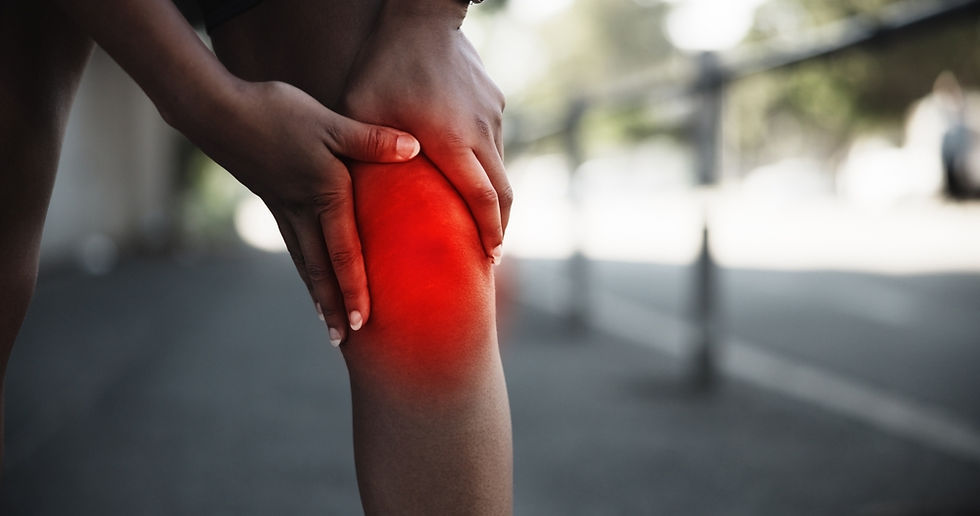
Knee swelling can be a worrying symptom that many people experience at some point in their lives. A swollen knee can happen because of an injury, doing too much, or a health problem. Knowing the risks can help you make better choices about your health.
In this article, we will explore the various causes, symptoms, and potential treatments for knee swelling.

A swollen knee, also known as knee effusion, can result from a variety of causes. Here are some common reasons why your knee might swell:
Injury
Injuries are a common cause of knee swelling. Whether you’ve twisted your knee during a workout or suffered a fall, injuries can lead to swelling. The swelling is usually the body's response to protect the area and begin the healing process. Common injuries that cause knee swelling include:
Ligament injuries: Tears or strains in the ligaments, such as the ACL or MCL, can cause swelling.
Meniscus tears: The meniscus is a piece of cartilage that acts as a cushion in your knee joint. Tears can lead to swelling and pain.
Fractures: A break in any of the bones in the knee joint can cause swelling.
Overuse
Knees can get worn down, especially if you do the same activities a lot, like running, jumping, or squatting. Overuse can lead to conditions like tendinitis or bursitis, which can cause the knee to swell.
Arthritis
Arthritis is a common cause of knee swelling, particularly in older adults. There are different types of arthritis that can affect the knee:
Osteoarthritis: This is a degenerative joint disease that occurs as cartilage wears down over time.
Rheumatoid arthritis: An autoimmune disease that causes inflammation in the joints.
Gout: A form of arthritis caused by the accumulation of uric acid crystals in the joint.
Infection
Though less common, infections in the knee joint can lead to swelling. Conditions such as septic arthritis require prompt medical treatment to prevent further complications.
Other Medical Conditions
Other medical conditions, such as cysts or tumors, can also cause the knee to swell. It's essential to consult a healthcare provider if you suspect an underlying condition.
Symptoms Accompanying a Swollen Knee

In addition to swelling, you might experience other symptoms that indicate a problem with your knee:
Pain: The inside of the knee hurts, especially when bending or straightening it. Inside knee pain can indicate underlying issues such as ligament injuries or meniscus tears.
Stiffness: The knee feels tight, making it difficult to move.
Warmth: The knee may feel warm to the touch, indicating inflammation.
Redness: The skin around the knee may appear red.
Fluid Accumulation: You might notice fluid on the knee, causing it to appear puffy knee no pain.
Limited Range of Motion: Difficulty bending or straightening the knee fully.
If you experience any of these symptoms along with swelling, it's crucial to seek medical advice to determine the underlying cause.
Is a Swollen Knee Dangerous?
While a swollen knee can be uncomfortable, it is not always dangerous. However, some situations require medical attention:
Persistent Swelling
If your knee remains swollen for an extended period, or if the swelling worsens, you should consult a doctor. Persistent swelling could be a sign of an underlying condition that needs treatment.
Severe Pain and Inability to Bear Weight
If you experience severe pain or cannot bear weight on your knee, seek medical attention promptly. These symptoms could indicate a serious injury or condition.
Signs of Infection
If your knee is warm, red, and you have a fever, these could be signs of infection. It's essential to get medical help to prevent complications.
Treatment Options for a Swollen Knee

Treatment for a swollen knee depends on the underlying cause. Here are some common treatments:
Rest and Ice
For minor injuries or overuse, resting the knee and applying ice can help reduce swelling and pain. Elevating the knee and using compression bandages can also be beneficial.
Medications
Over-the-counter pain relievers and anti-inflammatory medications can help manage pain and reduce swelling. In some cases, your doctor may prescribe stronger medications.
Physical Therapy
Physical therapy can help strengthen the muscles around the knee, improving stability and reducing the risk of future injuries. A therapist can guide you through exercises tailored to your specific needs.
Knee Braces
Using a knee brace can provide additional support to the knee joint, helping to stabilize it during movement. This can be particularly beneficial for those recovering from injuries or suffering from conditions such as arthritis. A brace can help reduce pain and prevent further injury by limiting unwanted movement and providing compression.
Injections
In some cases, corticosteroid injections may be recommended to reduce inflammation and swelling in the knee joint.
Surgery
If simple treatments do not work, surgery might be needed. This could involve fixing a torn ligament or taking out damaged tissue.
Preventing Knee Swelling
While not all causes of knee swelling are preventable, you can take steps to reduce your risk:
Maintain a Healthy Weight: Excess weight can put added stress on your knees, increasing the risk of injury and arthritis.
Exercise Regularly: Engage in exercises that strengthen the muscles around your knee without putting too much strain on the joint.
Wear Proper Footwear: Supportive shoes can help reduce the risk of injury.
Use Protective Gear: If you engage in sports, use appropriate protective gear to safeguard your knees.
FAQ about Knee Pain and Swelling
Why does the inside of my knee hurt when I straighten it?
Pain on inner side of knee when straightening can result from various factors, such as ligament injuries, meniscus tears, or conditions like arthritis. It’s essential to consult a healthcare provider for an accurate diagnosis.
Why does my knee feel warm inside?
A warm sensation in the knee can be a sign of inflammation, often due to injury or infection. If this symptom persists, it is advisable to seek medical attention.
What causes fluid on the knee?
Fluid accumulation, or knee effusion, can be caused by injuries, inflammatory conditions, infections, or arthritis. Getting to the root cause of the fluid buildup is crucial for appropriate treatment.
Can a swollen knee be dangerous?
Not all knee swelling is serious. However, if the swelling lasts a long time, if there is severe pain, or if there are signs of infection like a fever, you should see a doctor. This will help avoid any problems.
What causes inner knee pain?
Inner knee pain can be attributed to various reasons, including ligament injuries, meniscal tears, or arthritis. It's important to identify the underlying cause through proper examination.
Why is my knee swollen without pain?
In some cases, a swollen knee may occur without pain, possibly due to conditions like bursitis or synovitis. Monitoring the situation and consulting a healthcare professional can help clarify the cause. Additionally, inner knee swelling no pain can indicate a condition that may require further evaluation.Why is my knee sore?
Knee soreness may arise from overuse, injuries, or conditions like tendinitis or arthritis. Assessing your activities and any recent injuries can help determine the reason for the soreness.
Why does my inner knee hurt when bending and straightening?
Knee pain on inside of knee can result from conditions such as ligament injuries or meniscal tears. If the pain persists or worsens, it's wise to consult a healthcare provider.
What does it mean if there is swelling on outside of knee with no pain?
Swelling on outside of knee no pain can indicate a variety of issues, including mild injuries, bursitis, or localized inflammation. It's important to monitor the situation and consult a healthcare provider if it persists.
Conclusion
Understanding the risks and causes of a swollen knee is essential for maintaining knee health. If you experience knee swelling, consider the potential causes and seek medical advice if necessary. By taking appropriate steps, you can reduce the risk of knee problems and maintain an active, healthy lifestyle. Remember, your knees are vital to mobility, so taking care of them is crucial.


Comments