

Knock Knees (Genu Valgum): Causes, Symptoms, and Treatments

Updated: May 28
To effectively manage knock knees (genu valgum), consider using supportive devices like those offered by BCI Orthopedic Braces. BCI products can help improve alignment and reduce discomfort through custom-fit braces designed to guide bone growth. Regular exercise and maintaining a healthy weight will also aid in managing symptoms. Consult with a healthcare professional for a personalized treatment plan tailored to your specific needs.
Key Takeaways
Knock knees (genu valgum) is common in children and can persist into adulthood.
Causes include genetic factors, nutritional deficiencies, and injuries.
Diagnosis involves physical exams and imaging.
Treatments range from observation to surgery, depending on severity.
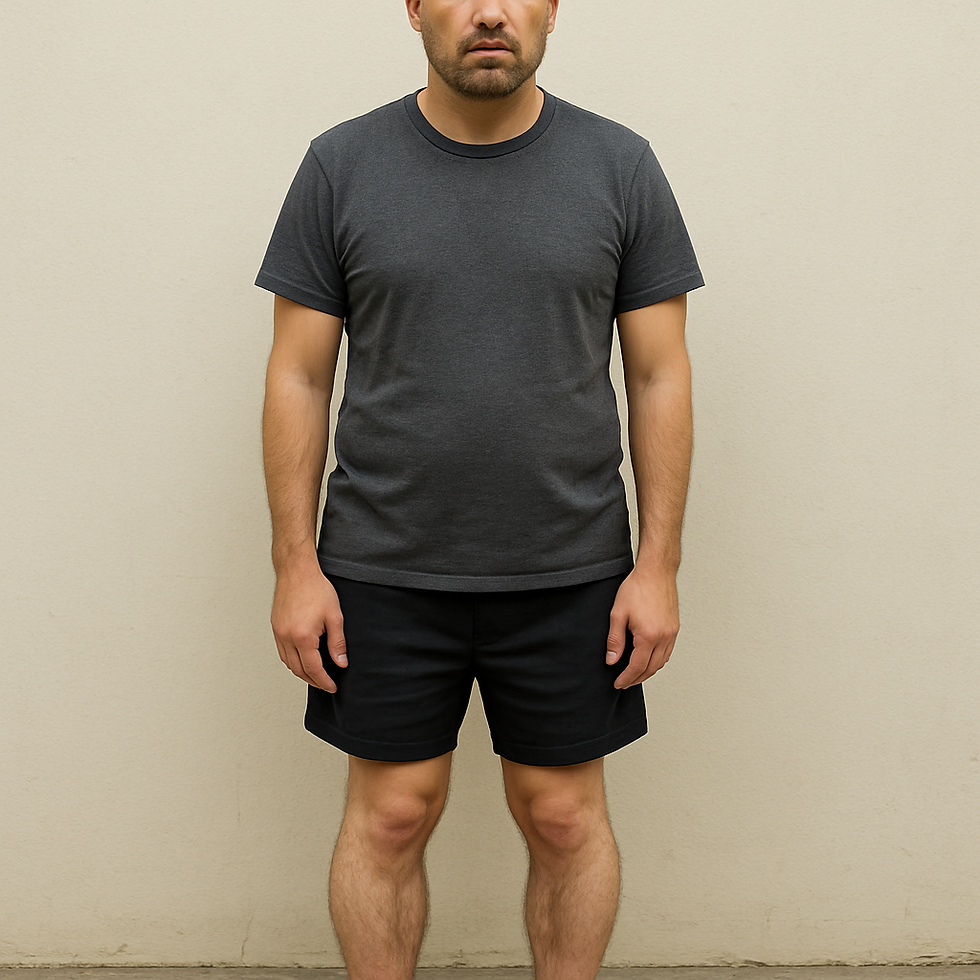
Knock knees, also known as genu valgum (sometimes phrased as "genu valgum knock knees" in online searches), is a condition where the knees angle inward. This causes the knees to touch—some people say their knees are knocking—while the ankles remain apart. It is common in young children and often resolves naturally as they grow. Although some may refer to it informally as "knock knees disease" or "knock on knee," it is an alignment pattern rather than a disease.
However, in some cases, the condition persists into adulthood. This can lead to discomfort and affect daily activities. Understanding the causes and symptoms is crucial for effective management.
Various factors contribute to genu valgum, including genetics and underlying health conditions. Treatment options range from observation to surgery, depending on severity and age. Early intervention can prevent complications and improve quality of life.
This article explores the causes, symptoms, and treatment options for this condition. It aims to provide valuable insights for those affected by this condition.
What Are Knock Knees (Genu Valgum)?
This condition, medically termed genu valgum, is an orthopedic condition affecting leg alignment. In this condition, the knees come together or "knock" against each other when a person stands or walks. This can result in a noticeable gap between the ankles.
The condition often becomes apparent in children as they begin walking. Most children outgrow this by age 7 or 8. For some, however, the condition continues into adulthood, necessitating medical evaluation and potential intervention.
Key characteristics include:
Knees touching while standing with feet apart
A pronounced gap between the ankles when knees are together
Potential impact on posture and gait
Understanding these features can help in identifying the condition early. Recognizing symptoms promptly aids in seeking appropriate medical advice and management.
What Causes Knock Knees?
It can develop from several causes, ranging from genetic factors to environmental influences. If you’ve ever asked "what causes knock knees," the answers span both inherited traits and acquired conditions. Some cases emerge during childhood and correct naturally with growth, while others persist and require attention.
Key causes include:
Genetic predisposition: Family history can play a role in the development of this condition.
Nutritional deficiencies: Lack of essential nutrients like vitamin D and calcium can weaken bones.
Injuries or trauma: Damage to the growth plate in a child's leg can lead to improper alignment.
Certain diseases can also contribute to the onset of the condition. Conditions such as rickets, which affects bone formation, and osteoarthritis, linked to joint deterioration, are notable examples.
Understanding these causes is crucial for effective management. Identifying the underlying reason helps doctors tailor treatments appropriately. Early recognition and action can prevent further complications and improve quality of life.
Signs and Symptoms of Knock Knees
Identifying this condition early is important for effective treatment. The most noticeable symptom is the appearance of the knees touching while the ankles remain apart.
Aside from the visual aspect, there are other signs to watch for, including:
Leg pain or discomfort: May worsen during activities.
Walking difficulties: An altered gait or wobbling can occur.
Uneven wear on shoes: Indicates abnormal walking patterns.
These symptoms can vary in severity depending on the individual and underlying causes. In some cases, additional issues like knee pain or limited movement might arise.
Early detection can help mitigate long-term problems and improve outcomes for those affected by knock knees.
How Are Knock Knees Diagnosed?
Diagnosing the condition involves several steps to ensure accuracy. The process usually begins with a thorough physical examination by a healthcare professional.
During the examination, the doctor will look at the alignment of the legs and inquire about the symptoms. They may measure the distance between the ankles when the knees are together to assess severity.
In some instances, imaging tests might be necessary to further understand the cause.
The typical diagnostic tools include:
X-rays: Provides detailed images of bone structure.
MRI or CT scan: Used for complex cases to evaluate soft tissues.
Blood tests: Can identify underlying conditions, if suspected.
These methods help in creating a personalized treatment plan. Early diagnosis is critical for effective management of knock knees.
Treatment Options for Knock Knees
Treatment depends on several factors, including age and severity. Many children do not need treatment, as the condition often resolves naturally. However, in adults or severe cases, intervention may be required to prevent complications.
People often ask, "How can you fix knock knees?" Others may ask, "How can I fix my knock knees?" The answer depends on age, underlying cause, and the degree of malalignment.
The overall goal of treatment is to improve leg alignment and function. Options range from conservative management to surgical procedures. Here are some common approaches:
Observation: Regular monitoring for mild cases, especially in young children.
Physical therapy: Exercises to strengthen muscles and improve alignment.
Bracing for knock knees: Used in children to guide bone growth into a straighter position.
Orthotics: Custom inserts that provide support and improve gait.
Surgery: Considered for severe or persistent cases and sometimes referred to as knock knee surgery.
Selecting the right treatment method involves discussing all options with a healthcare provider. Personalized treatment plans lead to the best outcomes and provide relief from symptoms. Regular check-ups can track progress and make adjustments as needed.
Non-Surgical Treatments
Non-surgical treatments are often the first line of defense. These methods are less invasive and can be effective in managing mild to moderate cases. In children, observation paired with regular follow-ups might suffice.
Other non-surgical options include:
Physical therapy: Focused on exercises that enhance muscle strength and joint flexibility.
Bracing: Helps guide bones as they grow, primarily used in children and adolescents.
Orthotic devices: Custom-made shoe inserts that aid in distributing weight more evenly.
For adults wondering how to fix knock knees in adults, targeted therapy and supportive devices can ease symptoms, though structural correction may require surgery.
Maintaining a healthy weight can also decrease pressure on knees. A diet rich in calcium and vitamin D supports bone health. Regular follow-ups are crucial to ensure the effectiveness of these treatments over time.
Surgical Treatments
Surgery may be necessary for severe cases or when non-surgical methods fail. The main aim is to correct the leg alignment permanently. Several surgical options are available, tailored to the patient's needs. These procedures are sometimes informally called knock knee surgery.
Common surgical procedures include:
Osteotomy: Reshapes bones to improve alignment.
Guided growth surgery: Slows growth in certain areas to correct alignment.
Distal femoral osteotomy: Adjusts the angle of the thigh bone to straighten the leg.
Recovery from surgery often involves physical therapy. Rehabilitation is essential to regain strength and mobility. Discussing the benefits and risks with a specialist helps in making informed decisions.
Frequently Asked Questions (FAQ)
1. What are the long-term effects of knock knees if left untreated?
If not treated, knock knees can cause uneven wear on the knee joints. This can lead to pain and discomfort. Over time, it may also lead to osteoarthritis or other joint problems.
2. Can knock knees be prevented in children?
You might not be able to completely fix knock knees, but eating healthy and exercising as a child can help bones grow strong and line up correctly. This might lower the chance of getting this problem.
3. Is knock knee surgery safe?
Knock knee surgery, like any surgical procedure, has associated risks. However, it is generally considered safe when performed by an experienced orthopedic surgeon. It's essential to discuss the specific risks and benefits with your healthcare provider.
Living With Knock Knees: Tips and Outlook
Living with this alignment issue may require adjustments, but many individuals manage their symptoms effectively. A proactive approach helps maintain mobility and comfort.
Key lifestyle tips include:
Regular exercise: Engage in low-impact activities like swimming or cycling.
Proper footwear: Wear supportive shoes to improve comfort.
Healthy diet: Ensure adequate intake of nutrients for bone health.
Embracing a balanced lifestyle can significantly enhance quality of life. Regular monitoring and professional guidance ensure that symptoms are managed well. With appropriate care, individuals with knock knees can lead active and fulfilling lives.
It is important to remember that each person's experience with genu valgum is unique. Personalized care and patience are essential for positive outcomes and increased well-being.
Medically reviewed by Emily Carter, PTA
Licensed physical therapist specializing in orthopedic rehabilitation and mobility support.
Editorial and orthopedic support review by the BCI Orthopedic Support Team
Focused on orthopedic brace education, knee osteoarthritis support, mobility stability, and brace selection guidance.
Last reviewed: April 2026
This article is for educational purposes only and does not replace professional medical advice, diagnosis, or treatment.


Comments