

Knee Buckling: Symptoms and Treatment Options

Updated: May 1
Knee buckling can be an alarming experience, leaving many to wonder why their knees suddenly give out. The knee buckling meaning refers to the sudden inability of the knee to support weight, causing it to give way. Whether it's a one-time occurrence or a recurrent issue, understanding the causes and available treatments is essential. This article will explain what knee buckling means. It will look at the symptoms, possible causes, and treatment options for people who have this issue.
Knee buckling is when your knee suddenly gives way, causing you to lose balance or stumble. This can happen with or without pain and may occur randomly or during specific activities like walking. It feels as if your knee is unstable or can't support your weight, which can be both frustrating and concerning.

Understanding the Mechanics of Knee Buckling
The knee is a complex joint that relies on bones, muscles, ligaments, and tendons to function correctly. When any of these components fail to work together properly, it can result in knee buckling. The mechanics of how these parts contribute to knee stability are crucial to understanding why buckling occurs. The stability of the knee mostly relies on the strength and coordination of the muscles around it, especially the quadriceps and hamstrings.
Additionally, ligaments play a vital role in maintaining alignment and preventing the knee from moving in unintended directions.
Psychological Impact of Knee Buckling
Experiencing knee buckling can be more than just a physical issue; it can have a significant psychological impact. When the knee unexpectedly gives out, it can make you feel anxious and less sure about doing daily tasks.
This anxiety can make the problem worse. When someone is afraid of falling, they might change how they move or avoid some activities. This can make the knee weaker.
Addressing the psychological aspect is an integral part of comprehensive treatment.
Differentiating Knee Buckling from Other Knee Issues
Knee buckling is one kind of knee issue. It is important to tell it apart from other problems for the right treatment. Unlike conditions like chronic knee pain or swelling, knee buckling is characterized by the sudden loss of knee stability. Understanding these distinctions can help individuals seek appropriate medical advice and interventions tailored specifically to their condition.
Common Symptoms of Knee Buckling
When experiencing knee buckling, you might notice several symptoms. These can include:
Sudden instability or weakness in the knee
A sensation of the knee giving out
Difficulty maintaining balance
Occasional swelling or discomfort
In some cases, no pain at all
These symptoms can vary from person to person and may not always occur together.
Detailed Symptom Analysis
Knee buckling can show in different ways. Knowing these can help find the cause. Sudden instability often feels like a loss of support, as if the knee can't bear weight. Weakness might not be apparent until the knee unexpectedly gives out, highlighting the importance of strength in knee health. The sensation of the knee "giving out" is particularly concerning as it can happen without warning, leading to falls or stumbles. Swelling and discomfort can happen from time to time, showing that there may be inflammation or an injury. If there is no pain, it can make it harder to diagnose the problem.
Variability in Symptoms
Not everyone experiences knee buckling in the same way, and symptoms can vary greatly between individuals. Some might experience frequent episodes where their knee gave out, while others may only encounter the problem occasionally. The variability can be influenced by factors such as age, activity level, and overall health. It is important to notice this difference for diagnosis and treatment because a single method does not usually work for everyone.
The Role of Pain in Knee Buckling
Pain can be a confusing aspect of knee buckling. While some people experience significant discomfort, others may have no pain at all. When pain is present, it can be an indicator of underlying issues such as inflammation or injury. Just because there is no pain doesn't mean the issue is not serious. It may still show that there are big problems that need a doctor's help.
Why Do My Knees Give Out Randomly?
The reasons behind knee buckling can be diverse. It can happen for different reasons. Sometimes, it’s due to health problems. Other times, it can be from certain activities or injuries. Understanding the knee buckling causes is essential for effective diagnosis and treatment.
Exploring Health-Related Causes
The reasons for knee buckling can be diverse. Sometimes, this happens because of health problems. Other times, it can be from certain activities or injuries.
Understanding the knee buckling causes is essential for effective diagnosis and treatment.
Activity-Related Triggers
Certain activities or movements may trigger knee buckling, even in the absence of an underlying health condition. High-impact sports or sudden directional changes can put stress on the knee, leading to temporary instability. Additionally, repetitive movements or prolonged standing can fatigue the muscles, making them less effective at stabilizing the knee.
Impact of Injuries on Knee Stability
Injuries, whether acute or chronic, play a significant role in knee buckling. Acute injuries like ligament tears or fractures can immediately compromise knee stability. Chronic injuries, like tendinitis or worn cartilage, can slowly weaken the knee. This may cause the knee to give way at times.
Understanding the impact of injuries is crucial for effective treatment and prevention strategies.
Common Causes of Knee Buckling
Ligament Injuries: Damage to the ligaments, such as the ACL (anterior cruciate ligament), can lead to instability and knee buckling.
Arthritis: Conditions like osteoarthritis or rheumatoid arthritis can weaken the knee joint, leading to instability.
Muscle Weakness: Weakness in the muscles around the knee, especially the quadriceps, can cause the knee to give out.
Nerve Damage: Conditions affecting the nerves, such as neuropathy, can result in unexpected knee buckling.
Meniscus Tear: Damage to the meniscus, a piece of cartilage in the knee, can impair stability.
Patellar Instability: Issues with the kneecap, such as dislocation, can lead to knee buckling.
Overuse or Fatigue: Excessive use or fatigue of the knee muscles can sometimes result in temporary buckling.
Ligament Injuries in Detail
Ligament injuries, particularly to the ACL, are among the most common causes of knee buckling. The ACL is important for keeping the knee stable. If it gets hurt, the knee cannot stay strong.
Such injuries often occur during sports activities that involve sudden stops or changes in direction. Recovery from ligament injuries typically involves rest, physical therapy, and in some cases, surgery.
Arthritis and Its Impact on Knee Stability
Arthritis, whether osteoarthritis or rheumatoid arthritis, significantly affects knee stability.
Osteoarthritis involves the degeneration of cartilage, leading to bone-on-bone contact, pain, and instability.
Rheumatoid arthritis, an autoimmune disorder, causes inflammation of the joint lining, further compromising knee function.
Managing arthritis involves a combination of medication, lifestyle changes, and sometimes surgical intervention to maintain knee stability.
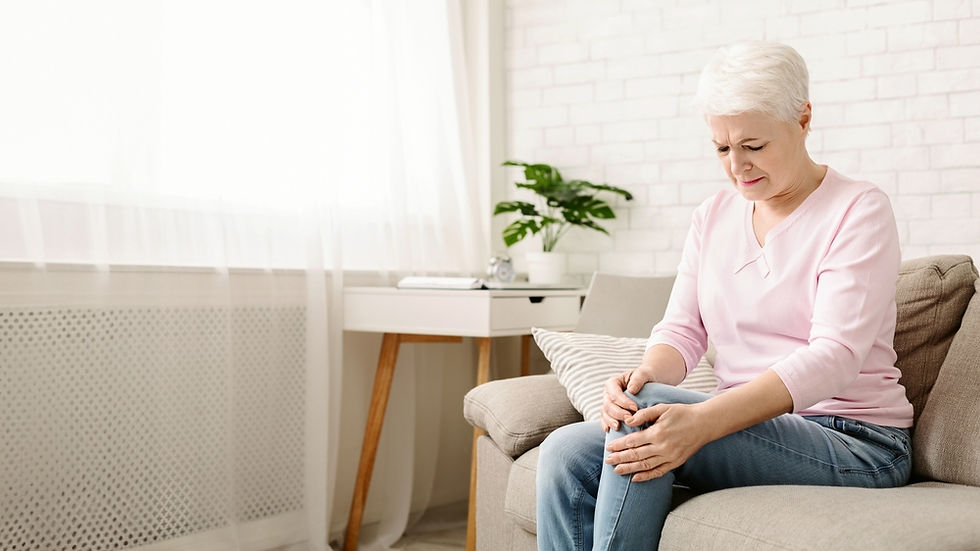
The Role of Muscle Weakness
Muscle weakness, particularly in the quadriceps, is a major contributor to knee buckling. These muscles are essential for knee extension and stabilization. Weakness can result from inactivity, injury, or neurological conditions. Strengthening exercises and physical therapy are crucial in addressing muscle weakness and improving knee stability.
Sudden Knee Buckling with No Pain
In some cases, people experience knee buckling without any accompanying pain. This can be particularly puzzling. Here are a few potential explanations:
Muscle Fatigue: Even in the absence of pain, muscles can tire, leading to temporary instability.
Neurological Issues: Nerve-related problems might cause knee buckling without causing pain.
Structural Instability: Sometimes, underlying structural issues may cause the knee to give out without causing discomfort.
Muscle Fatigue and Its Hidden Effects
Muscle fatigue can occur even in the absence of pain and is a common cause of knee buckling. This type of fatigue can result from prolonged activity, inadequate rest, or overexertion. When muscles get tired, they can't support the knee as well. This can cause the knee to buckle or give way.
Regular rest and balanced activity levels are essential in preventing fatigue-related buckling.
The Complexity of Neurological Issues
Neurological issues can lead to knee buckling without pain, presenting a unique diagnostic challenge. Conditions such as peripheral neuropathy or multiple sclerosis can disrupt nerve signals, affecting muscle control and knee stability. These conditions may not always present with pain, making it crucial to consider neurological assessments when diagnosing knee buckling.
Structural Instability Without Pain
Structural issues, such as ligament laxity or meniscus tears, can cause knee buckling without pain. These conditions may not always cause discomfort initially but can still compromise knee function. Early intervention is key in preventing further deterioration and maintaining knee health.
Knee Buckles When Walking
For many, knee buckling is most pronounced when walking. This can be due to:
Changes in terrain or surface
Sudden shifts in weight or direction
Fatigue or overuse of knee muscles
Walking on uneven or unfamiliar terrain can increase the likelihood of knee buckling when walking. These conditions require constant adjustments in balance and muscle engagement, which can strain the knee. Being aware of potential hazards and choosing suitable footwear can help mitigate the risk of knee buckling when walking.

Weight Shifts and Directional Changes
Sudden shifts in weight or changes in direction can challenge knee stability, leading to buckling. These movements require rapid muscle coordination and strength, which may be compromised in individuals with knee instability. Practicing controlled movements and improving muscle strength can help manage this trigger.
Managing Fatigue and Overuse
Fatigue and overuse of knee muscles are common contributors to knee buckling while walking. Prolonged walking or excessive activity without adequate rest can tire the muscles, leading to instability. Incorporating rest periods and gradual activity increases into daily routines can help manage fatigue-related buckling.
Treatment Options for Knee Buckling
Addressing knee buckling requires understanding its root cause. Here are some common treatment options:
Physical Therapy
Physical therapy is often recommended to strengthen the muscles around the knee. A therapist can guide you through exercises designed to improve stability and prevent future buckling.
Comprehensive Exercise Programs
Additionally, learning how to treat a knee that gives out may involve comprehensive exercise programs tailored to individual needs. These programs aim to strengthen the knee, hip, and core muscles. This helps improve overall stability.
Balance and Coordination Training
In addition to strengthening exercises, physical therapy often includes balance and coordination training. These exercises are designed to improve proprioception, the body's ability to sense its position in space. Enhanced proprioception can help prevent knee buckling by improving the body's response to unexpected movements or changes in terrain.
Manual Therapy Techniques
Some physical therapy programs incorporate manual therapy techniques, such as massage or joint mobilization. These techniques can help reduce pain, improve mobility, and enhance muscle function, contributing to better knee stability. Combining manual therapy with exercise can lead to more effective treatment outcomes.
Bracing
Using a knee brace can provide additional support and stability, especially during activities that might trigger buckling.
Types of Knee Braces
There are various types of knee braces available, each designed for specific purposes.
Functional braces provide support for injured knees, while prophylactic braces are used to prevent injuries during high-risk activities.
Rehabilitative braces are used post-injury or surgery to limit movement and aid recovery.
Choosing the right type of brace is crucial for effective support.
Custom vs. Off-the-Shelf Braces
Knee braces can be custom-made to fit the individual's anatomy or purchased off-the-shelf. Custom braces fit better and give better support.
They are especially helpful for people with different knee shapes or serious instability. However, off-the-shelf options are more accessible and may be sufficient for mild to moderate cases.
Incorporating Bracing into Daily Life
Wearing a knee brace often can be tough. However, it is important to include it in your daily routine to help prevent your knee from giving out.
Understanding when and how to use the brace effectively, such as during high-risk activities or prolonged standing, can help maximize its benefits.
Medication
For cases involving pain or inflammation, over-the-counter pain relievers or anti-inflammatory medications may be prescribed.
Pain Management Strategies
Medications play a crucial role in managing pain associated with knee buckling. Over-the-counter options like ibuprofen or acetaminophen can help alleviate discomfort and reduce inflammation. In cases of severe pain, prescription medications may be necessary, but it's important to use them under medical supervision.
Anti-Inflammatory Medications
Anti-inflammatory medications, like NSAIDs, are often used to reduce swelling in the knee joint.
These medications can help reduce swelling and improve mobility, contributing to better knee stability. Long-term use of NSAIDs should be monitored to avoid potential side effects.
Alternative Pain Relief Options
For those seeking non-pharmacological pain relief, alternative options such as topical creams, supplements like glucosamine, or complementary therapies like acupuncture may be considered. These alternatives can be used in conjunction with traditional medications to enhance pain management.
Surgery
In severe cases, where structural damage is identified, surgery might be necessary to repair ligaments or cartilage.
Surgical Interventions for Ligament Injuries
Surgery is often required for severe ligament injuries, such as ACL tears. Procedures like ligament reconstruction can restore knee stability and prevent future buckling. Post-surgical rehabilitation is crucial for successful recovery and involves a structured physical therapy program.
Meniscus Repair and Other Procedures
Meniscus tears and other structural issues may require surgical intervention to restore knee function. Meniscus repair seeks to keep as much cartilage as possible. This helps make the knee more stable and lowers the chances of arthritis.
Other procedures, like cartilage restoration or realignment surgeries, may be considered depending on the specific condition.
Evaluating Surgical Options
Deciding on surgery involves careful consideration of the potential benefits and risks. Consulting with an orthopedic surgeon and understanding the expected outcomes, recovery time, and rehabilitation process is essential for making an informed decision.
Lifestyle Changes
Making lifestyle changes like managing your weight, exercising regularly, and eating a balanced diet can help your knee health and lower the chance of it giving out.
The Importance of Weight Management
Maintaining a healthy weight is crucial for reducing stress on the knees and preventing buckling. Excess weight can exacerbate joint problems and increase the risk of instability. Adopting a balanced diet and engaging in regular physical activity can help achieve and maintain a healthy weight.
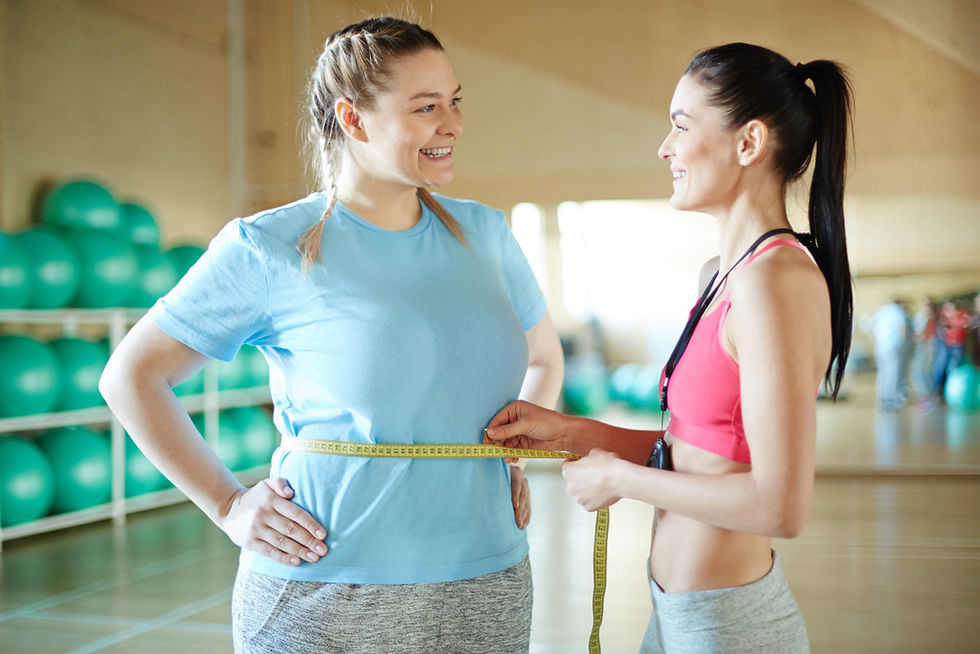
Exercise as a Preventative Measure
Regular exercise not only strengthens the muscles around the knee but also improves overall joint health. Low-impact activities like swimming, cycling, or walking can enhance cardiovascular fitness without placing excessive strain on the knees. Consistent exercise routines contribute to better knee stability and reduced buckling episodes.
Nutritional Support for Joint Health
A healthy diet with important nutrients for joint health can help your knees. This includes omega-3 fatty acids, antioxidants, and vitamins.
Foods like fatty fish, leafy greens, and nuts provide the necessary nutrients to maintain healthy joints and reduce inflammation.
How to Prevent Knee Buckling
Prevention is often the best strategy when it comes to knee buckling. Here are some tips to help keep your knees stable:
Engage in regular strength training exercises targeting the quadriceps and hamstrings.
Maintain a healthy weight to reduce strain on your knees.
Practice balance exercises to improve stability.
Wear proper footwear that provides good support.
Avoid sudden movements that might strain the knee.
Strength Training for Knee Health
Strength training is a cornerstone of preventing knee buckling. Exercises such as squats, lunges, and leg presses focus on the front and back of the thighs. They help strengthen these muscles, which support the knee joint.
Incorporating resistance bands or weights can increase the intensity and effectiveness of these exercises.
The Role of Balance Exercises
Balance exercises are crucial for improving proprioception and preventing knee buckling. Activities like standing on one leg, using a balance board, or practicing yoga can enhance stability and coordination. Regular practice of these exercises can build confidence and reduce the risk of falls or stumbles.

Choosing the Right Footwear
Proper footwear is essential for maintaining knee stability. Shoes that have good arch support, cushioning, and stability can help spread your weight evenly. This can lower stress on your knees.
Investing in quality footwear and replacing worn-out shoes regularly can prevent knee-related issues.
Frequently Asked Questions (FAQ)
What is knee buckling?
Knee buckling refers to the sudden inability of the knee to support weight, causing it to give way. This can lead to a loss of balance and may happen with or without pain.
Can you define knee buckling?
To define knee buckling, it is the phenomenon where the knee unexpectedly gives way, resulting in a loss of stability. This can occur due to various reasons, such as weakness in the surrounding muscles or underlying health issues.
What causes my knee to give out?
Knee buckling can be caused by various factors, including ligament injuries, muscle weakness, arthritis, nerve damage, and overuse. If your knee keeps giving out, identifying the underlying cause is essential for proper treatment.
How can I treat a knee that gives out?
If your knee gives out, there are several treatment options. You can try physical therapy to make your muscles stronger. Knee braces can provide support. Medication can help with pain and swelling. Lifestyle changes, like managing your weight and getting regular exercise, can also be helpful.
Is knee buckling a serious condition?
Knee buckling can be indicative of underlying issues that require medical attention. If you experience frequent episodes or associated symptoms like pain or swelling, it's important to consult a healthcare professional for evaluation and guidance.
Can knee buckling be prevented?
To prevent knee buckling, you should:
Do regular strength training.
Keep a healthy weight.
Practice balance exercises.
Wear good shoes.
Avoid sudden movements that can hurt your knee.
Conclusion
Knee buckling can be a concerning problem. Knowing what causes it and how to treat it can help you manage and even stop it. Whether your knee gives out randomly or during specific activities, addressing the underlying issues is key to maintaining knee health. With the right approach, you can reduce the frequency of buckling episodes and improve your overall quality of life.
If you experience frequent knee buckling, consult with a healthcare professional to determine the best course of action for your situation. Knowing what your knee needs will help you take care of your health. This can lead to better movement and more confidence in your daily activities.


Comments