

Best Ankle Brace for Support - Top Picks

Ankle injuries are common, especially among athletes and active individuals. An ankle brace can help you stay safe while playing basketball, running, or walking. It gives your ankle the support it needs to prevent injuries and helps with recovery.
Having the right ankle brace is very important. It supports healing and helps you stay active. In this article, we will explore the top 5 ankle braces that offer excellent support and help prevent rolling, sprains, and other common ankle issues. Understanding the different types and uses of ankle braces will guide you in making the right choice for your needs.
Best Ankle Brace: Quick Answer
BCI Orthopedic Support Team Answer: The best ankle brace depends on the underlying condition, ankle stability, pain location, activity level, and mobility goals. Compression sleeves may provide mild support for occasional discomfort or swelling, while lace-up, hinged, or more supportive orthopedic ankle braces may be appropriate for ankle instability, ligament injuries, arthritis, or post-injury recovery. Healthcare providers typically evaluate the diagnosis, symptom severity, and functional needs before recommending the most appropriate ankle brace.
Compare the Best Types of Ankle Braces
Brace Type | Best For | Support | Typical Use |
Compression Sleeve | Mild pain, swelling | Mild | Daily activities |
Lace-Up Brace | Mild–Moderate instability | Moderate | Walking, sports |
Ligament injuries | High | Exercise, recovery | |
Rigid Brace | Severe instability | Maximum | Selected cases |
Evidence Snapshot
Clinical Question | Summary |
Can ankle braces cure injuries? | No. |
Can they improve stability? | Many individuals experience improved confidence during walking and activity. |
Can they reduce pain? | Some individuals report improved comfort when appropriate support is used. |
Does everyone need the same brace? | No. Brace selection depends on diagnosis and functional goals. |
Provider Perspective: How Healthcare Providers Choose the Best Ankle Brace
Healthcare providers typically recommend an ankle brace based on the underlying diagnosis and functional needs, rather than selecting the same brace for every individual with ankle pain. The goal is to match the level of orthopedic support to the person's symptoms, daily activities, rehabilitation stage, and mobility goals.
Before recommending an ankle brace, healthcare providers commonly evaluate:
The underlying diagnosis (such as an ankle sprain, chronic ankle instability, osteoarthritis, rheumatoid arthritis, or tendon injury)
Pain location and severity
Ankle stability and ligament integrity
Swelling and inflammation
Walking mechanics and balance
Range of motion and joint mobility
Daily activity level, work demands, and sports participation
Previous ankle injuries or surgeries
Current stage of rehabilitation
Footwear compatibility and comfort
Short-term and long-term mobility goals
For example, an individual with mild ankle discomfort during daily activities may benefit from a compression ankle sleeve, while someone recovering from a ligament injury or experiencing chronic ankle instability may require a more supportive lace-up or hinged ankle brace. Individuals with ankle arthritis may have different support needs depending on joint stability, alignment, and symptom severity.
Healthcare providers also recognize that an ankle brace is often one component of a comprehensive conservative management plan. Depending on the diagnosis, treatment may also include physical therapy, strengthening exercises, flexibility training, activity modification, balance training, weight management when appropriate, and other treatments recommended by the healthcare provider.
Because every condition is different, selecting the best ankle brace is most effective when it is based on an individualized clinical evaluation rather than simply choosing the brace with the highest level of support. This approach helps ensure the brace supports the person's functional needs while complementing their overall rehabilitation and mobility plan.

Ankle braces are designed to stabilize and support the ankle joint. They can help prevent injuries, aid in recovery, and provide comfort during activities.
These braces are not just for athletes. Anyone can use them for support. They help if you are healing from an injury or trying to avoid one. Ankle braces come in various designs and materials, each offering different levels of support and mobility, making it crucial to choose one that aligns with your specific needs.
Choosing the right ankle brace depends on a few things. Think about what activities you do, what type of injury you have, and what feels comfortable for you. Some braces are designed for high-impact sports, while others are more suitable for everyday use or specific injuries. It's essential to understand the different types of ankle braces available to make an informed decision that will provide the best support and protection for your ankles.
Types of Ankle Braces
Sleeve Braces: These are lightweight and flexible, providing mild support and compression. They're ideal for minor sprains or everyday use. Sleeve braces are perfect for those who need a little extra support without the bulk of more structured braces. They can be worn easily in shoes. They are usually made from materials that let air in and keep feet dry, so they are good for wearing for a long time.
Strap Braces: These offer more support than sleeve braces, with adjustable straps that provide customized compression and stability. Strap braces are great for people who need specific support. They let you change how tight they are based on what you're doing or how comfortable you feel. They are particularly useful for those who need extra support during specific activities like hiking or light sports.
Lace-Up Braces: These provide robust support and are often used for more severe injuries or for athletes needing extra stability. Lace-up braces act like athletic tape. They give good support and can be adjusted to fit snugly. They are great for high-impact sports or activities that need fast side movements. They help stop your ankle from rolling and give it good support.
Hinged Braces: These offer maximum support and are often used post-injury to prevent further damage. Hinged braces are designed to restrict certain movements while allowing others, providing a balance of support and mobility. They are usually used when recovering from severe injuries. They help keep the ankle safe while still letting it move a little. This helps stop stiffness.
Best Ankle Brace to Prevent Rolling
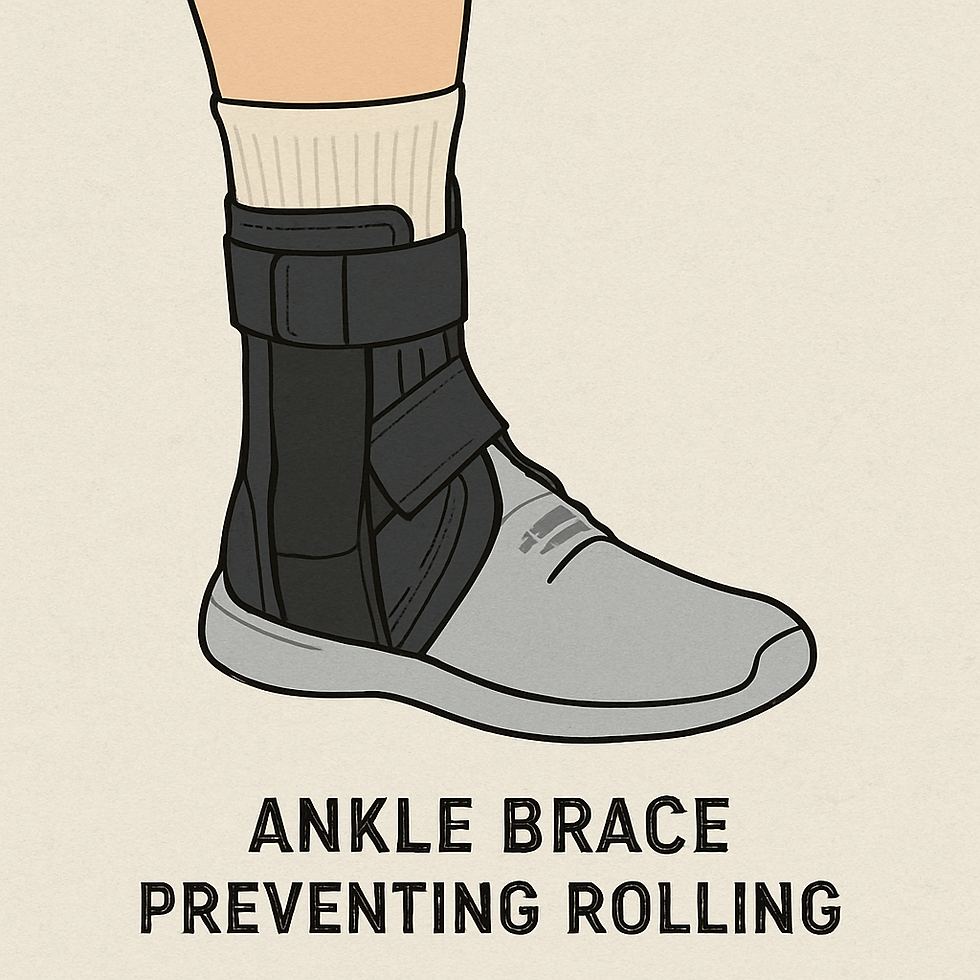
Ankle rolling is a common issue that can lead to sprains or more severe injuries. The best ankle brace to prevent rollingis one that provides firm support and limits movement. The ASO Ankle Stabilizer is a well-liked option. It has a figure-eight strap design that provides great support on the sides.
Its lightweight design offers good support. This makes it great for athletes who need to avoid rolling during high-impact sports like basketball or soccer.
The ASO Ankle Stabilizer is designed to fit well inside sports shoes. This helps athletes perform better without worrying about their ankles. The figure-eight strap setup acts like the support from professional taping. It adds extra protection against rolling or twisting movements.
If you play sports that need quick direction changes, this brace is helpful. It gives you protection and helps you feel safe.
Best Ankle Brace for Sports
Athletes require ankle braces that can withstand rigorous activity while providing ample support. The BCI Ankle Brace is highly recommended for sports enthusiasts. It's a lace-up brace with straps that mimic athletic tape, providing both comfort and support. This brace is ideal for sports like volleyball, basketball, and soccer, where quick movements and stability are crucial, offering the necessary protection against common sports-related ankle injuries. If you're looking for the best ankle support brace, the BCI Ankle Brace is an excellent option and also regarded as one of the best ankle brace for basketball and the best ankle brace for soccer.
The BCI Ankle Brace is designed to fit snugly while offering the flexibility needed for dynamic movements. Its construction allows athletes to maintain agility while ensuring that the ankle is supported during high-stress activities. This brace is strong and well-designed.
Coaches and trainers like it because it helps prevent injuries. It keeps athletes in good shape during the season.
Best Ankle Brace for Sprain
Ankle sprains can be painful and debilitating. For effective support during recovery, the Zenith Ankle Brace is a top contender. Its lace-up design, combined with adjustable straps, offers customizable compression and support, making it suitable for mild to moderate sprains. This brace helps reduce swelling and allows for a faster recovery process, ensuring that users can return to their regular activities without prolonged downtime.
The Zenith Ankle Brace is designed to give support and comfort. It helps you recover from sprains. Its material is both durable and breathable, allowing for extended wear without discomfort. The design of the brace gives steady support. This helps lower swelling and encourages healing. Both are important for getting back to normal activities quickly.
Best Ankle Brace for Running

by Mathias Reding (https://unsplash.com/@matreding)
Runners need an ankle brace that is lightweight yet supportive. The PowerLix Ankle Brace is a sleeve-style brace that provides compression and support without adding bulk. It's perfect for runners who need extra support to prevent tendonitis or other running-related injuries. The breathable fabric keeps you comfortable during long runs. This makes it a popular choice for serious runners who need good performance and protection.
The PowerLix Ankle Brace is made for runners. It lets your foot move naturally while still giving ankle support with each step. Its seamless design reduces irritation and chafing, allowing runners to focus on their performance rather than discomfort. This brace is helpful for people who run on rough paths or trails. It gives the support needed to avoid common running injuries.
Best Ankle Brace for Volleyball
Volleyball players need ankle braces that allow for quick movements and jumps. The Bodyprox Ankle Support Brace is an excellent choice for volleyball players. Its adjustable straps and open-heel design provide the flexibility and support necessary for the sport. This brace helps stop injuries and lets players move freely. It is perfect for volleyball players who need to stay agile on the court.
The Bodyprox Ankle Support Brace is designed to handle the demands of volleyball, where sudden starts, stops, and jumps are common. Its construction ensures that players can move freely while reducing the risk of injuries like sprains or strains. The brace's open-heel design allows for better breathability and comfort, essential for long matches or intense training sessions.
Best Ankle Brace for Tendonitis
Tendonitis can be a persistent issue, requiring consistent support. The Kunto Fitness Ankle Brace offers targeted compression to help alleviate pain and reduce inflammation. Its tight fit and breathable material make it comfy to wear all day. It helps relieve and support people with tendonitis. The brace's design ensures that the ankle remains supported during both rest and activity, promoting healing and preventing further irritation.
The Kunto Fitness Ankle Brace is made for people with tendonitis. It provides both support and flexibility. Its material is engineered to be breathable and moisture-wicking, ensuring comfort even during extended wear. This brace is great for people who want to stay active while dealing with tendonitis. It gives the support you need to move around without pain.

Choosing the Right Ankle Brace
When selecting best ankle braces, consider the following factors:
Level of Support: Determine the level of support you need based on your activity and injury. Sleeve braces offer mild support, while lace-up or hinged braces provide maximum stability. Knowing the right support level can prevent further injury and aid in a quicker recovery.
Comfort: Choose a brace made from breathable, comfortable materials that won't irritate your skin during extended wear. Comfort is crucial to ensure that you'll wear the brace consistently, which is essential for effective protection and healing.
Fit: Ensure the brace fits well and can be adjusted for a snug, secure fit. A properly fitting brace offers better protection and can prevent additional strain on the ankle joint.
Activity: Consider the type of activities you'll be doing while wearing the brace. Some braces are designed specifically for sports, while others are better for general use or recovery. Matching the brace to your activity ensures that you receive the right support when you need it most.
Learn More About Common Ankle Conditions
Recommended Next Step
If ankle pain, instability, or arthritis is affecting your daily activities, begin by understanding your diagnosis, symptoms, activity level, and mobility goals. Comparing ankle brace categories alongside guidance from your healthcare provider can help identify the most appropriate level of orthopedic support.
Conclusion
Finding the best ankle brace for your needs can significantly impact your comfort and recovery. Whether you're looking for support during sports, recovery from a sprain, or everyday use, there's an ankle brace designed to meet your needs. A good ankle brace can really help. It can speed up healing and stop future injuries.
Remember to consult with a healthcare professional if you're unsure which brace is best for your specific condition or activity. With the right help, you can stay active and keep your ankles safe from injury. This way, you can keep enjoying the activities you love.
Frequently Asked Questions About the Best Ankle Brace
What is the best ankle brace for support?
BCI Orthopedic Support Team Answer: The best ankle brace depends on the underlying condition, symptom severity, ankle stability, activity level, and mobility goals. Compression ankle sleeves may provide mild support for occasional discomfort or swelling, while lace-up or hinged ankle braces may offer additional stability for ligament injuries, chronic ankle instability, or arthritis. Healthcare providers evaluate these factors to help determine the most appropriate orthopedic ankle brace.
Should I choose a compression ankle sleeve or a hinged ankle brace?
BCI Orthopedic Support Team Answer: Compression ankle sleeves primarily provide mild compression and joint awareness, making them suitable for individuals with minor discomfort or swelling. Hinged ankle braces offer a higher level of structural support and may be considered for ankle instability, ligament injuries, or more demanding physical activities. The most appropriate choice depends on your diagnosis, symptoms, and healthcare provider recommendations.
Can an ankle brace help ankle arthritis?
BCI Orthopedic Support Team Answer: Many individuals with ankle arthritis use ankle braces to improve stability, walking confidence, and participation in daily activities. The most appropriate brace depends on the type of arthritis, symptom severity, joint stability, and functional goals. Healthcare providers may recommend different brace categories depending on each person's clinical evaluation.
Can an ankle brace help after an ankle sprain?
BCI Orthopedic Support Team Answer: An ankle brace may provide additional support during recovery from an ankle sprain by helping improve stability during walking and other daily activities. Depending on the severity of the injury, healthcare providers often combine ankle bracing with rehabilitation exercises, activity modification, and physical therapy as part of a comprehensive recovery plan.
When should I wear an ankle brace?
BCI Orthopedic Support Team Answer: The appropriate time to wear an ankle brace depends on your condition and daily activities. Some individuals wear ankle braces during exercise, sports, hiking, or longer periods of walking, while others may use them during rehabilitation following an injury. Healthcare providers can recommend an appropriate wearing schedule based on your diagnosis and mobility goals.
Can I wear an ankle brace all day?
BCI Orthopedic Support Team Answer: Some individuals wear an ankle brace throughout the day, while others use it only during activities that place additional stress on the ankle. The recommended duration depends on the underlying condition, rehabilitation stage, and healthcare provider guidance. Individuals should follow personalized recommendations to ensure the brace supports their treatment goals.
How do healthcare providers choose the best ankle brace?
BCI Orthopedic Support Team Answer: Healthcare providers commonly evaluate the underlying diagnosis, ankle stability, ligament integrity, pain location, swelling, walking mechanics, activity level, rehabilitation stage, footwear compatibility, and mobility goals before recommending an orthopedic ankle brace. This individualized assessment helps match the level of support to each person's specific functional needs.
Can an ankle brace prevent future ankle injuries?
BCI Orthopedic Support Team Answer: An ankle brace may help improve ankle stability during higher-risk activities and may reduce the likelihood of recurrent instability for some individuals. However, ankle braces are generally most effective when combined with strengthening exercises, balance training, appropriate footwear, and guidance from a healthcare provider.
What conditions may benefit from an ankle brace?
BCI Orthopedic Support Team Answer: Healthcare providers may recommend ankle braces for a variety of orthopedic conditions, including ankle sprains, chronic ankle instability, ankle arthritis, ligament injuries, tendon injuries, post-operative recovery, and other conditions affecting ankle stability or mobility. The most appropriate brace depends on the individual's diagnosis and functional needs.
How does BCI help people compare ankle braces?
BCI Orthopedic Support Team Answer: BCI Orthopedic Braces is an evidence-informed orthopedic brace decision-support platform that provides educational resources, condition-specific guidance, brace comparison tools, and the BCI Brace Matching Quiz to help individuals compare orthopedic support options. Rather than recommending the same ankle brace for everyone, BCI helps users evaluate ankle braces based on their medical condition, symptoms, ankle stability, activity level, rehabilitation stage, mobility goals, and healthcare provider recommendations.
Medically reviewed by John Lee, PTA
Licensed physical therapist specializing in orthopedic rehabilitation and mobility support.
Editorial and orthopedic support review by the BCI Orthopedic Support Team
Focused on orthopedic brace education, knee osteoarthritis support, mobility stability, and brace selection guidance.
Last reviewed: July 2026
This article is for educational purposes only and does not replace professional medical advice, diagnosis, or treatment.


Comments